Search through
Hero Background
rounded-bottom

Glyphosate Technical (CAS NO : 1071-83-6)

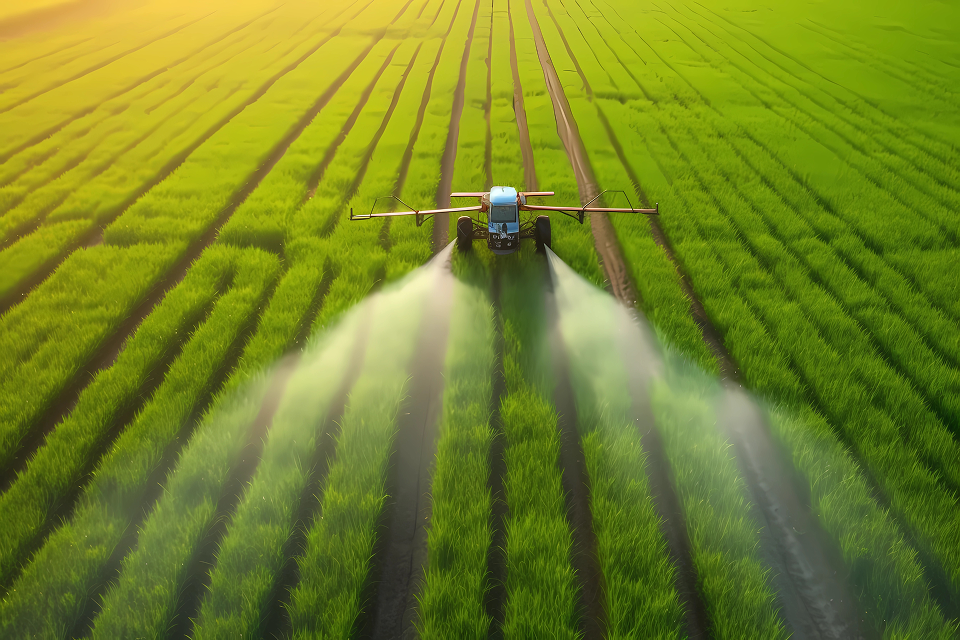
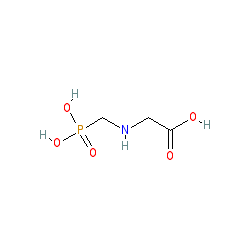
Glyphosate Technical or Glyphosate-isopropylammonium is a broad-spectrum, non-selective systemic herbicide universally used in agriculture, forestry, and industrial weed control. Glyphosate technical works by inhibiting the 5-enolpyruvylshikimate-3-phosphate (EPSP) synthase enzyme, which is essential for plant growth. Glyphosate is absorbed through foliage and translocated throughout the plant, effectively killing both grasses and established broadleaf weeds. Glyphosate-based formulations (GBFs) can have different combinations of other ingredients or different concentrations of glyphosate. Glyphosate has incredible non-selective action and low residual activity characteristics and it works well with surfactants and wetting agents. Also referred to as ‘glyphosate monoammonium salt’ by Glyphosate manufacturers. We are the leading, trusted Glyphosate technical and GBFs supplier worldwide, with reliable lead times and global supply capability.

Glyphosate Technical

Documents

MSDS
COA

Glyphosate Technical or Glyphosate-isopropylammonium is a broad-spectrum, non-selective systemic herbicide universally used in agriculture, forestry, and industrial weed control. Glyphosate technical works by inhibiting the 5-enolpyruvylshikimate-3-phosphate (EPSP) synthase enzyme, which is essential for plant growth. Glyphosate is absorbed through foliage and translocated throughout the plant, effectively killing both grasses and established broadleaf weeds. Glyphosate-based formulations (GBFs) can have different combinations of other ingredients or different concentrations of glyphosate. Glyphosate has incredible non-selective action and low residual activity characteristics and it works...

Get a Quote

Details included in quote

Minimum Order Quantity

Lead Time

Regional Availability

Incoterms

Rounded Top

Chemical Properties & Specifications

Applications of Glyphosate Technical

Agriculture

Preferred on established weed control in row crops, orchards, vineyards, and plantations (Farms, Home gardens, Lawns)

Forestry

Helps manage invasive species and unwanted vegetation

Industrial & Municipal Use

Applied for weed control in non-crop areas like railways, roadsides, and infrastructure.

End-use specialities

Foliage and translocated throughout the plant

Reducing environmental runoff (Soil Inactivation)

Have Questions About Glyphosate Technical?
We've Got Answers.

Glyphosate inhibits the EPSP synthase enzyme, disrupting amino acid production and causing plant death.

It effectively controls broadleaf weeds, grasses, and woody plants, including glyphosate-resistant species when combined with adjuvants.

No, glyphosate is a synthetic herbicide and is not permitted in organic agricultural practices.

Glyphosate binds to soil particles and degrades over weeks to months, depending on environmental conditions.

When used as directed, glyphosate has low acute toxicity but should be handled with proper safety precautions to avoid skin and eye irritation.

Yes, it is often tank-mixed with other herbicides for broader weed control and resistance management.

Suggested Products

Humic Based Liquid
top-right-icon

Humic Based Liquid

CAS No. : 1415-93-6

View Product
2-Isopropoxyethylamine (IPAE)
top-right-icon

2-Isopropoxyethylamine (IPAE)

CAS No. : 83495-51-6

View Product
Clothianidin Technical
top-right-icon

Clothianidin Technical

CAS No. : 210880-92-5

View Product
Phosphorous Acid
top-right-icon

Phosphorous Acid

CAS No. : 10294-56-1

View Product

Get a Quote

Get a Quote