Fermentation is a biochemical process where microorganisms like bacteria, yeast, or fungi convert organic substances–such as sugars, starches, or other raw materials–into valuable products like alcohol, acids, gases, or bioactive compounds. It is widely used in industries for producing pharmaceuticals, agrochemicals, food products, biofuels, and specialty chemicals.
Global Compliance
Applications of Fermentation in key industries
Pharmaceuticals
Essential for producing antibiotics, vitamins, and bioactive molecules for healthcare innovations.
Agrochemicals
Enables the synthesis of biopesticides, biofertilizers, and biostimulants for sustainable agriculture.
Food & Flavours
Supports the creation of probiotics, flavor compounds, and fermentation-derived preservatives for food processing.
Fermentation in the Synthesis of Lovastatin
Fermentation is the primary method used to produce Lovastatin, a statin drug used to lower cholesterol levels by inhibiting HMG-CoA reductase. The process utilizes fungal fermentation, where specific strains of Aspergillus terreus or Monascus species produce Lovastatin as a secondary metabolite.
Reaction
Microorganism: Aspergillus terreus or Monascus spp
Cyanation is a chemical process that introduces a cyano group (-CN) in...
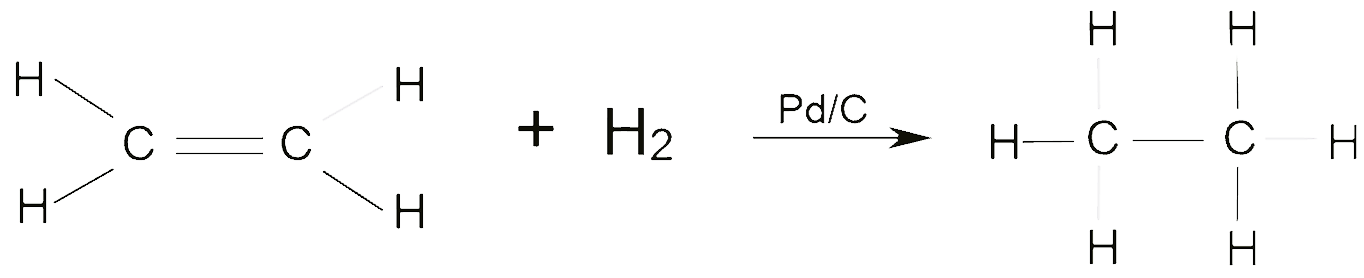
Hydrogenation
Hydrogenation is a chemical process in which hydrogen (H2) is added to...
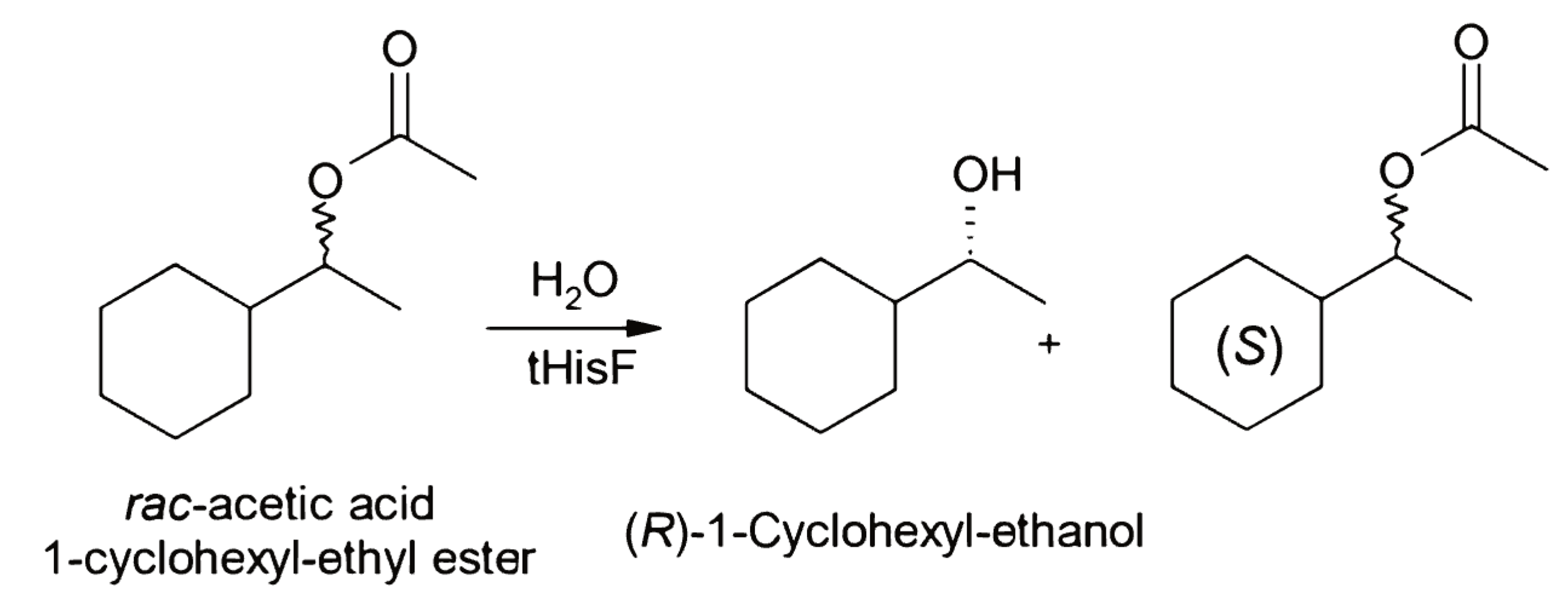
Biocatalysis
Biocatalysis harnesses the power of enzymes or microorganisms to catal...
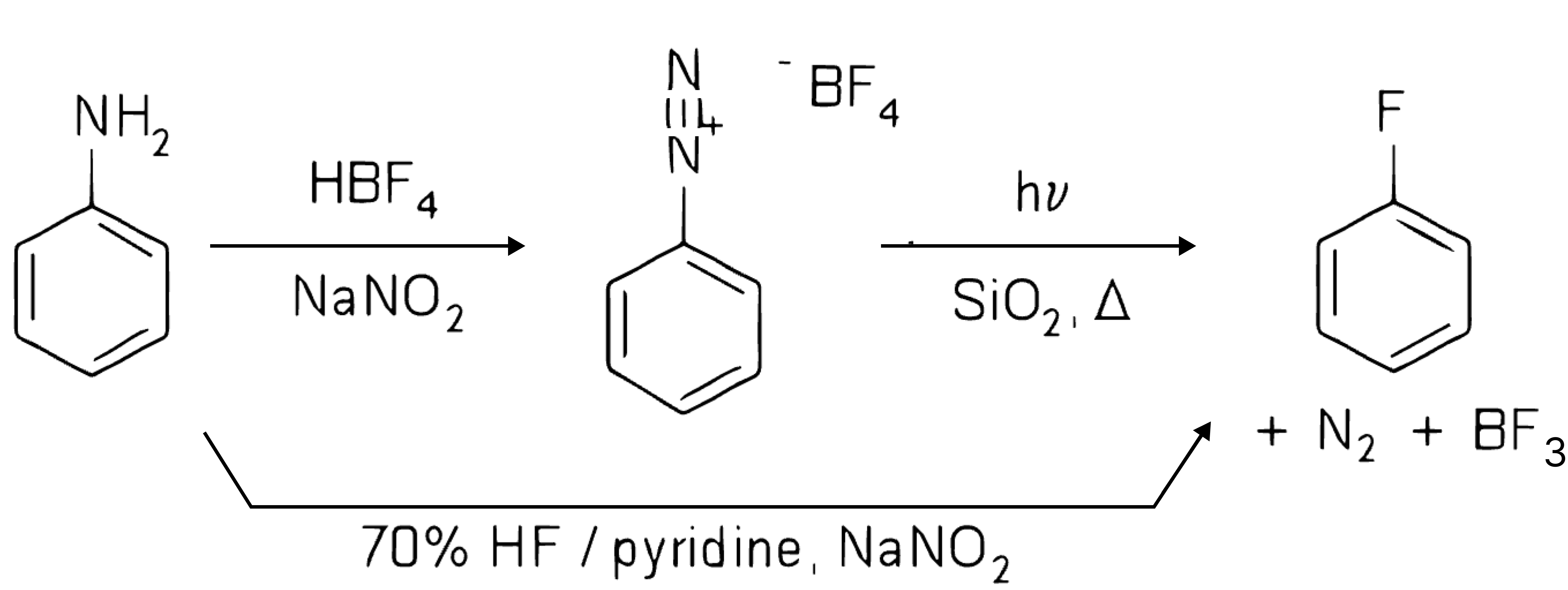
Fluorination
Fluorination is a chemical process used to introduce one or more fluor...
How we help
Our Services
CRO
From lab-scale testing to pilot-scale production to finished formulations and regulatory support, our CRO services are designed to streamline your journey to market with precision and expertise.
From lab-scale testing to pilot-scale production to finished formulations and regulatory support, our CRO services are designed to streamline your journey to market with precision and expertise.



.e9dec10a.svg)












.3479cd5c.png)