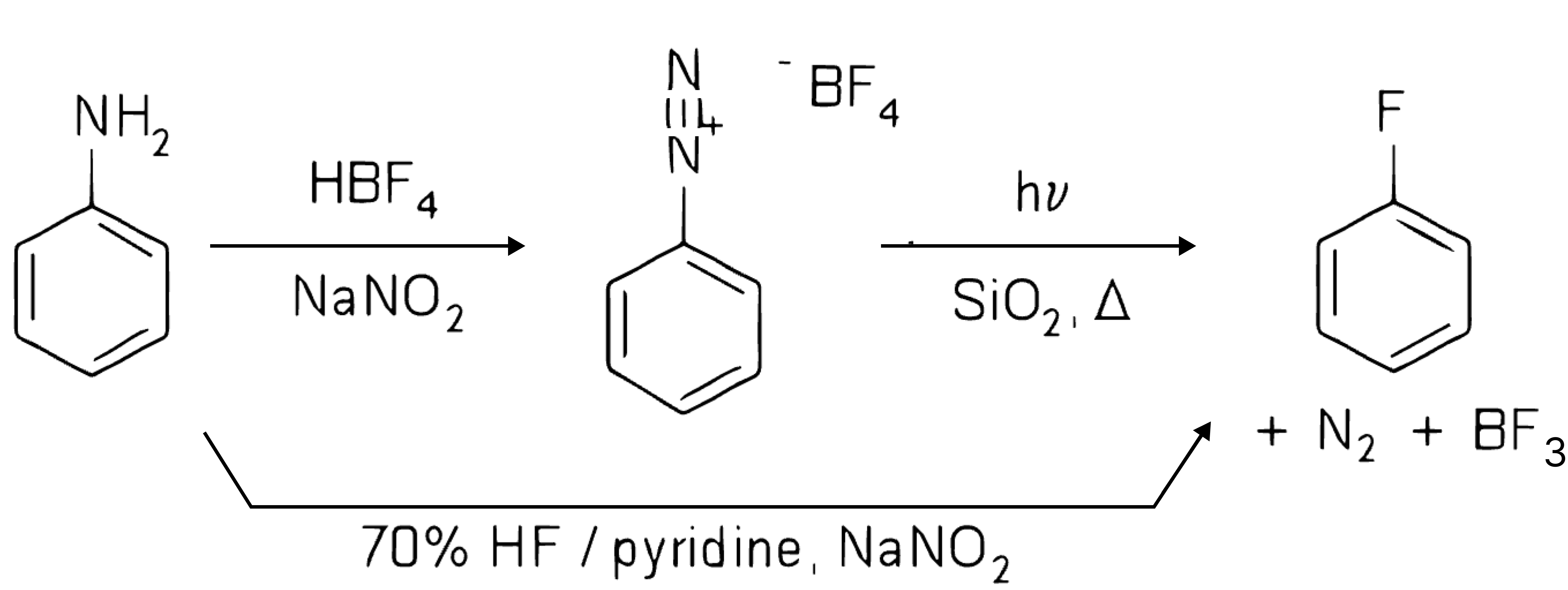
Fluorination is a chemical process used to introduce one or more fluorine atoms into a molecule. This reaction is essential in modern synthetic chemistry due to fluorine's unique properties, such as high electronegativity, small atomic size, and ability to improve the stability, bioactivity, and lipophilicity of compounds.
Global Compliance
Applications of Fluorination in key industries
Pharmaceuticals
Increases drug efficacy and bioavailability, making synthesizing APIs in anti-inflammatory, antiviral, and anticancer therapies essential.
Agrochemicals
Compounds made via fluorination enhance the stability and efficiency of herbicides, insecticides, and fungicides for better crop protection.
Industrial Chemicals
Helps develop materials with high thermal stability and dielectric properties, including semiconductors and battery components.
Fluorination in the Synthesis of Apalutamide
Fluorination is a key step in the synthesis of Apalutamide, a non-steroidal antiandrogen (NSAA) used for treating prostate cancer. The selective incorporation of fluorine (-F) and trifluoromethyl (-CF₃) groups enhances metabolic stability, bioavailability, and androgen receptor binding affinity.
Cyanation is a chemical process that introduces a cyano group (-CN) in...
Hydrogenation
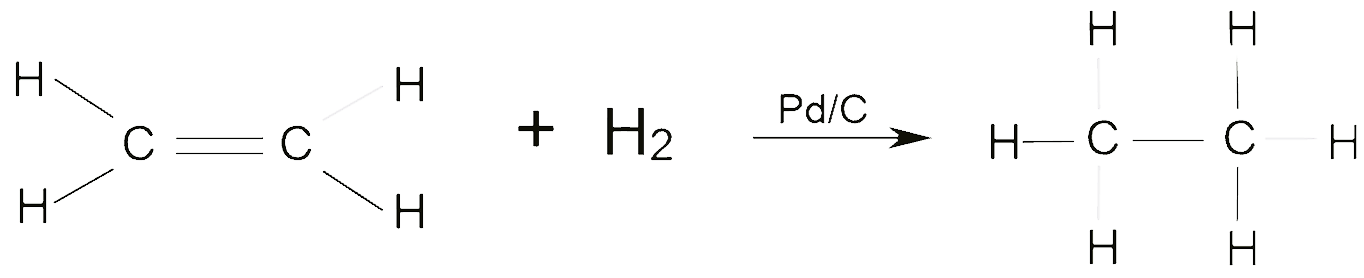
Hydrogenation is a chemical process in which hydrogen (H2) is added to...
Biocatalysis
Biocatalysis harnesses the power of enzymes or microorganisms to catal...
Fluorination
Fluorination is a chemical process used to introduce one or more fluor...
How we help
Our Services
CRO
From lab-scale testing to pilot-scale production to finished formulations and regulatory support, our CRO services are designed to streamline your journey to market with precision and expertise.
From lab-scale testing to pilot-scale production to finished formulations and regulatory support, our CRO services are designed to streamline your journey to market with precision and expertise.



.e9dec10a.svg)











.3479cd5c.png)