Search through


Emamectin Benzoate 5% Sg is a potent avermectin insecticide used primarily for lepidopteran pest control in crops. Methylamino abamectin benzoate formulation works by disrupting neurotransmission in target insects, leading to paralysis and death. Due to its strong translaminar activity, it effectively penetrates leaf tissues, offering long-lasting protection. We are an established Emamectin Benzoate supplier with high purity across all formulation batches and a broad range of various insecticide manufacturer providing comprehensive analytical (HPLC/NMR/MS) and supporting quality assurance documentation (COA/TDS/SDS) across all grades, detailed impurity mapping, and region-specific regulatory support. We ensure reliable lead times from R&D quantities through commercial-scale manufacturing, enabling partners to meet diverse global and regional requirements.
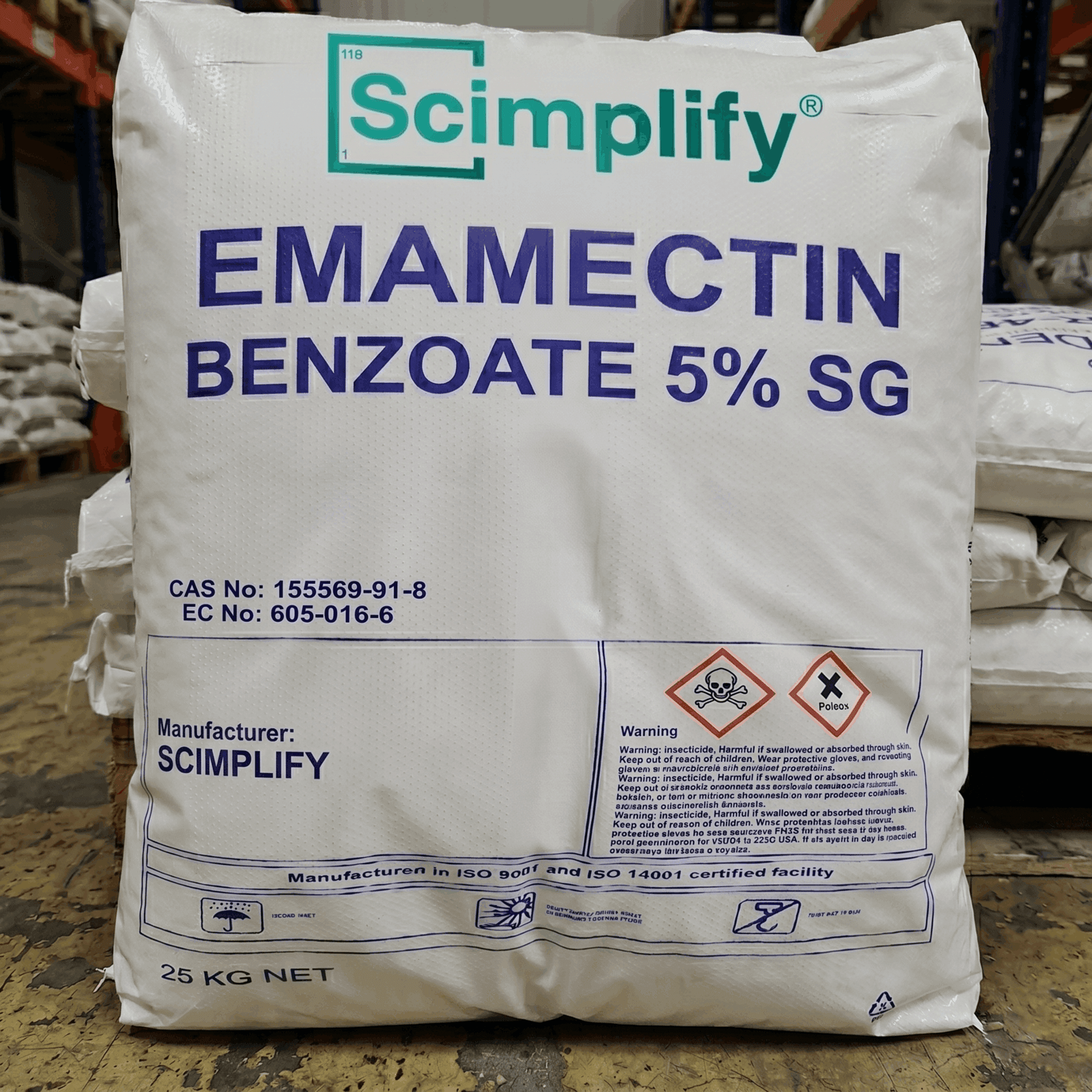
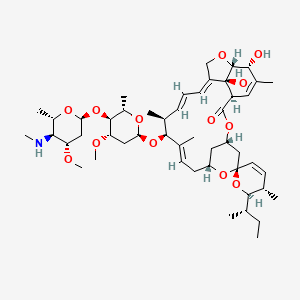


Emamectin Benzoate 5% Sg is a potent avermectin insecticide used primarily for lepidopteran pest control in crops. Methylamino abamectin benzoate formulation works by disrupting neurotransmission in target insects, leading to paralysis and death. Due to its strong translaminar activity, it effectively penetrates leaf tissues, offering long-lasting protection. We are an established Emamectin Benzoate supplier with high purity across all formulation batches and a broad range of various insecticide manufacturer providing comprehensive analytical (HPLC/NMR/MS) and supporting quality assurance documentation (COA/TDS/SDS) across all grades, detailed impurity mapping, and region-specific regulatory...

Chemical Properties & Specifications
Acute Toxicity (Oral): Category 3, Acute Toxicity (Dermal): Category 3, Acute Toxicity (Inhalation): Category 3, Serious Eye Damage: Category 1, Specific Target Organ Toxicity (Single Exposure): Category 1 Specific Target Organ Toxicity (Repeated Exposure): Category 1 Hazardous to the Aquatic Environment (Acute): Category 1 Hazardous to the Aquatic Environment (Chronic): Category 1
H301, H311, H331, H318, H370, H372, H400, H410
Effective against lepidopteran pests in crops such as cotton, vegetables, and pulses
Protects fruit trees, ornamentals, and greenhouse plants from insect damage
Prevention and control of resistant pest populations. Offers long-lasting protection against lepidopteran pests
Extended control against caterpillars, borers, and other insect pests
Sustainable farming practices to reduce chemical resistance development
Translaminar Action: Penetrates leaf tissues for long-term protection
Low Residue Levels: Meets food safety standards when applied as per guidelines
Effective at Low Doses: Provides strong control at lower application rates
15–25°C (59–77°F)
Cool, dry place away from light and moisture
Store in airtight containers to prevent contamination and degradation
Available in HDPE bottles, bulk granule containers, and foil-lined pouches.
2 years under sealed condition
It disrupts neurotransmission in insects, causing paralysis and death.
It has low toxicity to bees and beneficial insects when used as directed.
Commonly applied to cotton, pulses, vegetables, and fruit trees. Widely used in cotton, vegetables, fruits (especially grapes), and pulses for controlling lepidopteran pests.
It acts as a chloride channel activator, disrupting nerve transmission in target pests, leading to paralysis and death.
Generally applied at 0.2–0.4 g/L depending on the crop and pest severity—always refer to regional guidelines.
No, it is a synthetic active ingredient and not approved for organic-certified agriculture.
Typically 7–14 days, but may vary depending on crop and region.
It has translaminar activity—absorbed into the leaf tissue and effective against feeding pests.
Available in HDPE bottles, bulk granule containers, and foil-lined pouches.
Standard: 50% advance, balance on dispatch (bulk orders negotiable).
COA, MSDS, Registration Certificate (if applicable), and Export Documentation (for international buyers).
Category : Plant Health, Nutrients & Soil Management
Sub-Category : Fertilizers & Nutrients
Category : Agrochemical Intermediates
Sub-Category : Specialty & Advanced Intermediates
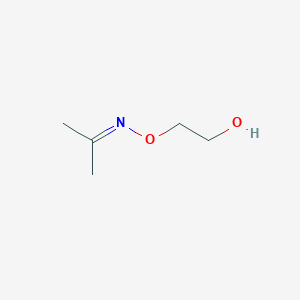
Description : 2-Isopropoxyethylamine (CAS 81731-43-3), often used interchangeably with CAS 83495-51-6, is a specia...
Category : Crop Protection & Pest Control
Sub-Category : Insecticides
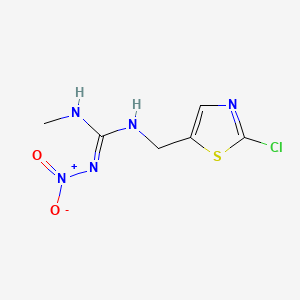
Description : Clothianidin is a systemic broad-spectrum, neonicotinoid insecticide used to control sap-sucking ins...
Category : Plant Health, Nutrients & Soil Management
Sub-Category : Plant Growth Regulators & Harvest Aids
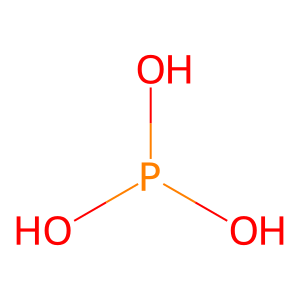
Description : Phosphorous acid (CAS 13598-36-2) serves as a vital reducing agent and intermediate in the API inter...