Search through
Hero Background
rounded-bottom

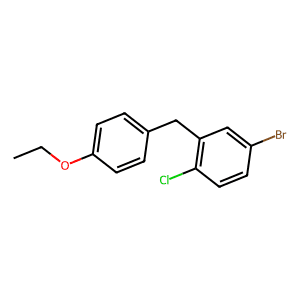
4-bromo-1-chloro-2-(4-ethoxybenzyl)benzene (CAS NO : 461432-23-5)

We offer 4-(5-Bromo-2-chlorobenzyl)phenyl ethyl ether, a sophisticated halogenated diaryl ether. This advanced intermediate is a primary component for firms focusing on SAR (Structure-Activity Relationship) studies and late-stage API assembly. The technical challenge for CAS 461432-23-5 lies in the selective reduction of the diaryl methanone (Stage-1) to the diaryl methane without causing dehalogenation of the bromine or chlorine atoms. Our GMP manufacturing process utilises regiospecific hydrogenation/reduction protocols and precise crystallisation to achieve ≥ 99.0% purity. This ensures a stable benzyl-phenyl ether framework with intact "halogen handles" for subsequent lithiation. We are the leading 4-(5-Bromo-2-chlorobenzyl)phenyl ethyl ether supplier with worldwide supply capability and logistics co-ordination. Being recognised as a CDMO partnership for advanced pharmaceutical intermediates and a regulatory-compliant holder for global drug manufacturing chains, we provide a broad range of precursors with comprehensive analytical documentation (HPLC, GC-MS, and NMR) and supporting quality assurance (Dapagliflozin intermediates COA/SDS/TDS). Our facilities are optimised for commercial-scale production and custom synthesis. We ensure reliable lead times and transparent project management, enabling partners to lead in high-precision pharmaceutical development.

4-bromo-1-chloro-2-(4-ethoxybenzyl)benzene

Variants | Grades | Strengths

We offer 4-(5-Bromo-2-chlorobenzyl)phenyl ethyl ether, a sophisticated halogenated diaryl ether. This advanced intermediate is a primary component for firms focusing on SAR (Structure-Activity Relationship) studies and late-stage API assembly. The technical challenge for CAS 461432-23-5 lies in the selective reduction of the diaryl methanone (Stage-1) to the diaryl methane without causing dehalogenation of the bromine or chlorine atoms. Our GMP manufacturing process utilises regiospecific hydrogenation/reduction protocols and precise crystallisation to achieve ≥ 99.0% purity. This ensures a stable benzyl-phenyl ether framework with intact "halogen handles" for subsequent lithiation. We are t...

Get a Quote

Details included in quote

Minimum Order Quantity

Lead Time

Regional Availability

Incoterms

Rounded Top

Chemical Properties & Specifications

Applications of 4-bromo-1-chloro-2-(4-ethoxybenzyl)benzene

SGLT2 Intermediate Assembly

Late-Stage SGLT2 precursor in the convergent synthesis of gliflozin-class drugs, providing the necessary aryl-ether framework. Specifically engineered to provide the aglycone framework required for the final coupling with the Stage-3 carbohydrate intermediate.

Complex Organic Building Block

Versatile reagent for the construction of multi-substituted diaryl alkanes, utilised in the development of speciality fine chemicals

Bioactive Molecule Scaffold

Specifically engineered to support the synthesis of molecules requiring a stable benzyl-phenyl ether linkage with reactive halogen handles. Constructing multi-substituted diaryl alkanes used in oncology and metabolic disease research

Fine Chemical Precursor

High-purity Custom Fine Chemical Feedstock for the manufacturing of specialised agricultural fungicides and advanced materials requiring stable aryl-ether linkages

Have Questions About 4-bromo-1-chloro-2-(4-ethoxybenzyl)benzene?
We've Got Answers.

The primary scientific hurdle in synthesizing this diaryl methane is the selective reduction of the ketone bridge without triggering the reductive dehalogenation of the bromine or chlorine sites. Our technical team utilizes a proprietary chemo-selective reduction protocol (using optimized Lewis acid-hydride systems or specialized catalytic hydrogenation) that preserves the halogen "synthetic handles." This expertise ensures that the resulting 4-(5-Bromo-2-chlorobenzyl)phenyl ethyl ether maintains 100% of its reactive functionality for downstream organometallic coupling, directly impacting your final API yield.

High-purity precursors are the foundation of regulatory success. Any residual Stage-1 ketone or des-bromo impurities in CAS 461432-23-5 will carry forward as difficult-to-remove related substances in the final drug product. As a high-authority CDMO partner, we provide an intermediate with an HPLC assay of ≥ 99.0% and restricted individual impurities. This scientific rigor minimizes the need for multi-stage purification in the final API step, significantly reducing solvent consumption and processing time during API scale-up.

The ethyl ether linkage is robust; however, the halogenated benzyl-phenyl framework requires protection from moisture and UV degradation to prevent oxidative by-products. We provide comprehensive analytical packages including NMR, HPLC, and LC-MS for every batch. Our packaging protocol involves double-PE lining with vacuum-sealed induction caps in fiber drums, ensuring that the material arriving at your site meets the exact specification "fingerprint" established at our facility, satisfying the technical audits of global pharmaceutical supply chains.

Yes. While this molecule is primarily used as a reactive intermediate, its solubility kinetics in the lithiation/coupling stage are critical. We offer custom synthesis and particle-size tailoring (micronization) to match your specific reactor rheology. By optimizing the physical form of the precursor, we enhance its dissolution rate in cryogenic solvents (like THF or Toluene/THF blends), ensuring homogeneous reaction conditions and a more predictable exothermic profile during metal-halogen exchange.

The gliflozin market is highly competitive and sensitive to feedstock fluctuations. Our vertically integrated production [from basic precursors to the penultimate Stage-3 intermediate] insulates our partners from volatile spot-market pricing. By securing a multi-year CDMO contract for 4-(5-Bromo-2-chlorobenzyl)phenyl ethyl ether, pharmaceutical firms can ensure a consistent, GMP-documented supply, overcoming the regulatory risks associated with switching starting material vendors during the commercial phase.

We bridge the gap between technical synthesis and global regulatory safety. During process development, we conduct a thorough assessment of potential genotoxic impurities (PGIs). Our optimized synthetic route is designed to minimize the formation of aryl halides or alkylating agents that fall under ICH M7 scrutiny. We provide the necessary supporting data to satisfy USFDA and EMA technical queries, establishing our position as a low-risk, high-authority partner in your drug development lifecycle.

Suggested Products

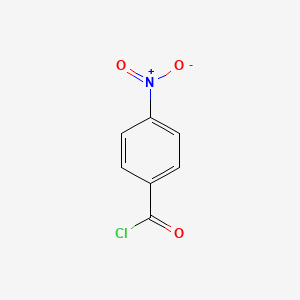
P-Nitrobenzoyl Chloride
top-right-icon

P-Nitrobenzoyl Chloride

CAS No. : 122-04-3

View Product
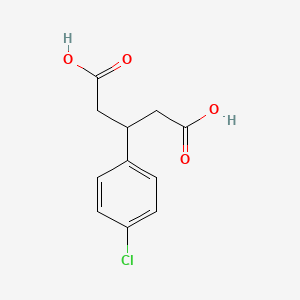
3-(4 Chloro Phenyl) Glutaric Acid
top-right-icon

CAS No. : 35271-74-0

View Product
4-(2-Aminoethyl)benzenesulfonamide
top-right-icon

CAS No. : 35303-76-5

View Product
4-Hydroxypyridine-3-sulfonic Acid
top-right-icon

CAS No. : 51498-37-4

View Product

Get a Quote

Get a Quote