Search through


Spinosad is a naturally derived bio-insecticide produced through fermentation of Saccharopolyspora spinosa. The 45% SC formulation offers concentrated protection against a wide range of insect pests while maintaining a favorable environmental profile. It targets the insect nervous system, causing paralysis and death. Spinosad 45% SC has two identifiers, which is 131929-60-7 (Spinosyn A) & 131929-63-0 (Spinosyn D).
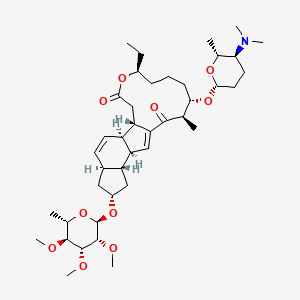
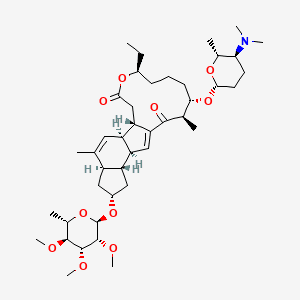
Spinosad is a naturally derived bio-insecticide produced through fermentation of Saccharopolyspora spinosa. The 45% SC formulation offers concentrated protection against a wide range of insect pests while maintaining a favorable environmental profile. It targets the insect nervous system, causing paralysis and death. Spinosad 45% SC has two identifiers, which is 131929-60-7 (Spinosyn A) & 131929-63-0 (Spinosyn D).

Chemical Properties & Specifications
May cause skin and eye irritation
P280: Wear protective gloves and eye protection P273: Avoid release to the environment P302+P352: IF ON SKIN: Wash with plenty of water P501: Dispose of contents/container in accordance with local regulations
Effective against Lepidoptera, Thrips, Leafminers, Beetles, and other chewing insects.
Cotton, Vegetables (Tomato, Cabbage), Fruits (Grapes, Citrus), Tea, and Ornamentals.
Typically 0.3–0.6 mL/L of water or as per label guidelines.
Spinosad acts on the nicotinic acetylcholine receptors and GABA receptors, disrupting nerve function.
Cool, dry area away from direct sunlight
2 cartons high for small packs; drums on pallets
Palletized, stretch-wrapped, containerized
500 mL, 1 L HDPE bottles
Controls a broad range of pests including thrips, caterpillars, leaf miners, and beetles.
Yes, OMRI-listed and approved in many countries for certified organic use.
Every 7–10 days depending on pest pressure and environmental conditions.
Typically 4 hours post-application; follow local label regulations.
Spinosad content 45% w/w minimum.
COA, MSDS, Organic Certificate, and Registration as required.
Yes, widely accepted with low residue concerns under good agricultural practices.
(1S,2R,5S,7R,9R,10S,14R,15S,19S)-15-[(2R,5S,6R)-5-(dimethylamino)-6-methyloxan-2-yl]oxy-19-ethyl-14-methyl-7-[(2R,3R,4R,5S,6S)-3,4,5-trimethoxy-6-methyloxan-2-yl]oxy-20-oxatetracyclo[10.10.0.02,10.05,9]docosa-3,11-diene-13,21-dione
(1S,2S,5R,7S,9S,10S,14R,15S,19S)-15-[(2R,5S,6R)-5-(dimethylamino)-6-methyloxan-2-yl]oxy-19-ethyl-4,14-dimethyl-7-[(2R,3R,4R,5S,6S)-3,4,5-trimethoxy-6-methyloxan-2-yl]oxy-20-oxatetracyclo[10.10.0.02,10.05,9]docosa-3,11-diene-13,21-dione
Category : Plant Health, Nutrients & Soil Management
Sub-Category : Fertilizers & Nutrients
Category : Agrochemical Intermediates
Sub-Category : Specialty & Advanced Intermediates
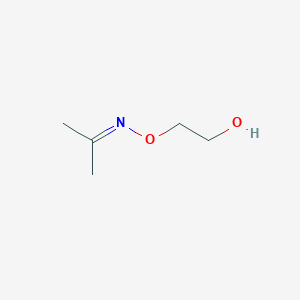
Description : 2-Isopropoxyethylamine (CAS 81731-43-3), often used interchangeably with CAS 83495-51-6, is a specia...
Category : Crop Protection & Pest Control
Sub-Category : Insecticides
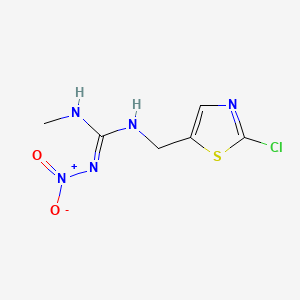
Description : Clothianidin is a systemic broad-spectrum, neonicotinoid insecticide used to control sap-sucking ins...
Category : Plant Health, Nutrients & Soil Management
Sub-Category : Plant Growth Regulators & Harvest Aids
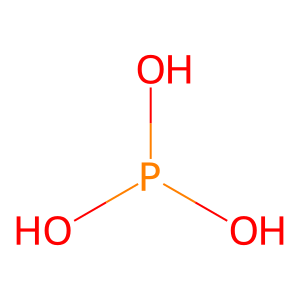
Description : Phosphorous acid (CAS 13598-36-2) serves as a vital reducing agent and intermediate in the API inter...