Search through
Hero Background
rounded-bottom

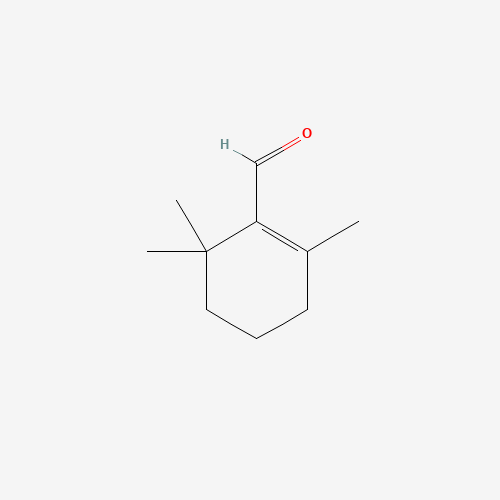
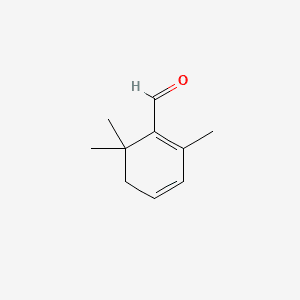
Safranal (Dehydro-beta-cyclocitral) (CAS NO : 116-26-7)

Safranal is a key aromatic aldehyde responsible for the characteristic warm, hay-like, spicy-saffron aroma found in natural saffron. Structurally related to carotenoid degradation products, it is used widely in perfumery and high-end flavoring formulations. It can be derived naturally (from Crocus sativus L.) or synthetically from dehydro-beta-cyclocitral.

Safranal (Dehydro-beta-cyclocitral)

Documents

COA
MSDS

Safranal is a key aromatic aldehyde responsible for the characteristic warm, hay-like, spicy-saffron aroma found in natural saffron. Structurally related to carotenoid degradation products, it is used widely in perfumery and high-end flavoring formulations. It can be derived naturally (from Crocus sativus L.) or synthetically from dehydro-beta-cyclocitral.

Get a Quote

Details included in quote

Minimum Order Quantity

Lead Time

Regional Availability

Incoterms

Rounded Top

Chemical Properties & Specifications

Applications of Safranal (Dehydro-beta-cyclocitral)

Fragrance Industry

Used in fine perfumery and incense blends to recreate the aroma of saffron Provides warmth, spice, and complexity to floral and oriental accords

Flavor Use

Applied in ultra-trace concentrations in flavoring saffron analogs, liqueurs, and bakery flavor masks

Pharmaceutical/Ayurvedic Aroma

Investigated for sedative, antioxidant, and mood-balancing effects in natural medicine aromatherapy

Application Benefits

Provides a signature saffron-like profile, high-impact aldehydic warmth, and natural origin aroma mimicry. Adds exotic top-to-heart note transitions and complexity in luxury aroma builds

High compatibility

Compatible with rose, tonka, cinnamon, honey, aldehydes, and musks

Have Questions About Safranal (Dehydro-beta-cyclocitral)?
We've Got Answers.

It is used to recreate saffron-like notes in fragrances and impart warm spicy-sweet tones.

Yes. It is naturally present in Crocus sativus L. (saffron) and can also be synthesized for consistent olfactory purity.

Used in extremely low ppm for saffron flavor replication in liqueurs, beverages, and desserts.

FEMA GRAS, IFRA-compliant, ISO 9235 (natural version), and Kosher/Halal if required.

Yes. COA, MSDS, GC profile, and natural declaration (if applicable) are available.

Yes. Bulk volumes or scheduled annual contracts can be optimized per region and pack size.

Synonyms are 2,6,6-Trimethyl-1,3-cyclohexadiene-1-carboxaldehyde; Dehydro-β-cyclocitral.

Formulation Type is Fragrance Grade. It is (Natural & Synthetic Options).

Suggested Products

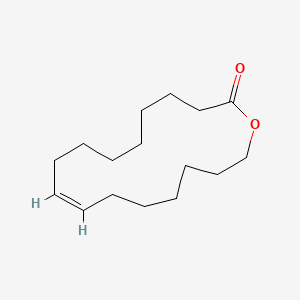
Ambrettolide

CAS No : 28645-51-4

Ambrettolide

Category : Fragrance Ingredients

Sub-Category : Polycyclic Synthetic Musks

Description : Our Ambrettolide is a high-purity, 17-membered macrocyclic lactone that captures the elegant, diffus...
View Product
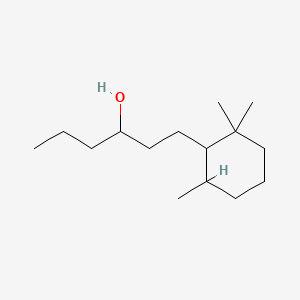
Norlimbanol

CAS No : 70788-30-6

Norlimbanol

Category : Fragrance Ingredients

Sub-Category : Linear Woody Musks

View Product
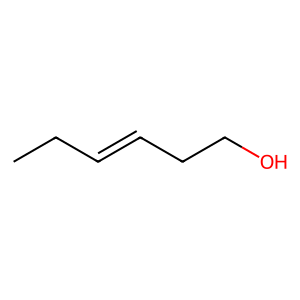
Cis-3-Hexenol

CAS No : 928-96-1

Cis-3-Hexenol

Category : Fragrance Ingredients

Sub-Category : Aliphatic Alcohols

View Product
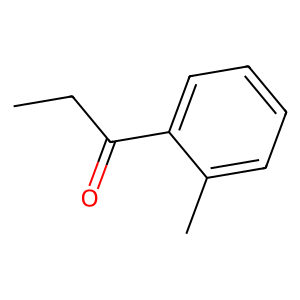
2-Methyl Propiophenone

CAS No : 2040-14-4

2-Methyl Propiophenone

Category : Fragrance Ingredients

Sub-Category : Aroma Compounds

View Product

Get a Quote

Get a Quote