Search through


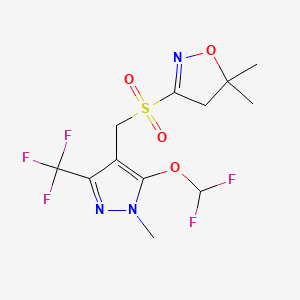
Pyroxasulfone is a selective, pre-emergence herbicide that inhibits the biosynthesis of very-long-chain fatty acids in plants, effectively controlling a broad spectrum of annual grasses and broadleaf weeds. It is particularly effective against species resistant to ACCase and ALS inhibitors, as well as glyphosate-resistant biotypes. Pyroxasulfone is commonly used in crops such as wheat, corn, soybeans, and cotton.
Pyroxasulfone is a selective, pre-emergence herbicide that inhibits the biosynthesis of very-long-chain fatty acids in plants, effectively controlling a broad spectrum of annual grasses and broadleaf weeds. It is particularly effective against species resistant to ACCase and ALS inhibitors, as well as glyphosate-resistant biotypes. Pyroxasulfone is commonly used in crops such as wheat, corn, soybeans, and cotton.

Chemical Properties & Specifications
Acute Toxicity (Oral): Category 4 Hazardous to the Aquatic Environment (Acute and Chronic): Category 1
H302: Harmful if swallowed. H410: Very toxic to aquatic life with long-lasting effects.
P264: Wash hands thoroughly after handling. P270: Do not eat, drink, or smoke when using this product. P273: Avoid release to the environment. P301+P312: IF SWALLOWED: Call a POISON CENTER or doctor if you feel unwell. P330: Rinse mouth. P391: Collect spillage. P501: Dispose of contents/container in accordance with local/regional/national/international regulations.
Used as a pre-emergence herbicide for controlling annual grasses and broadleaf weeds in crops such as wheat, corn, soybeans, and cotton.
Store in a cool, dry place at temperatures between 2–8°C (35–46°F).
Keep away from direct sunlight, moisture, and oxidizing agents.
Store in airtight, moisture-proof containers to maintain stability.
Available in 1 kg, 5 kg, and bulk packaging for industrial use
Pyroxasulfone inhibits very-long-chain fatty acid biosynthesis, disrupting cell membrane formation in weeds, leading to pre-emergence control.
It effectively controls annual grasses and broadleaf weeds, including glyphosate-resistant biotypes in crops such as wheat, corn, soybeans, and cotton.
Pyroxasulfone has residual activity, and rotational crop restrictions should be followed as per label recommendations to avoid carryover effects.
The residual activity varies based on soil type, moisture levels, and application rates, generally providing extended weed control for several weeks.
Yes, it is compatible with many other pre-emergence and post-emergence herbicides for a broader spectrum of weed control.
The application rate depends on crop type, soil characteristics, and weed spectrum; refer to agronomic guidelines or product labels for precise recommendations.
Avoid ingestion, inhalation, and skin exposure; use protective gloves, eyewear, and clothing when handling. Follow appropriate disposal measures as per regulation.
Category : Plant Health, Nutrients & Soil Management
Sub-Category : Fertilizers & Nutrients
Category : Agrochemical Intermediates
Sub-Category : Specialty & Advanced Intermediates
Description : 2-Isopropoxyethylamine (CAS 81731-43-3), often used interchangeably with CAS 83495-51-6, is a specia...
Category : Crop Protection & Pest Control
Sub-Category : Insecticides
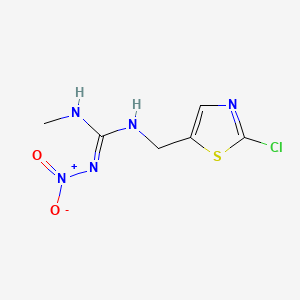
Description : Clothianidin is a systemic broad-spectrum, neonicotinoid insecticide used to control sap-sucking ins...
Category : Plant Health, Nutrients & Soil Management
Sub-Category : Plant Growth Regulators & Harvest Aids
Description : Phosphorous acid (CAS 13598-36-2) serves as a vital reducing agent and intermediate in the API inter...