Search through


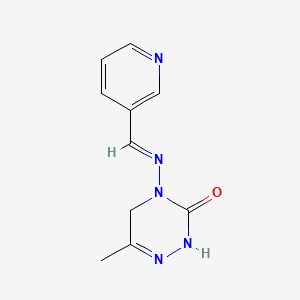
Pymetrozine is a systemic insecticide primarily used for controlling sap-feeding pests like aphids and whiteflies in agriculture. It works by interfering with neurotransmission in insects, effectively disrupting their central nervous system and causing their death.Pymetrozine’s selectivity toward piercing-sucking insects, combined with its limited impact on non-target beneficial organisms, supports its use within integrated pest management programs. Manufactured by two purities Pymetrozine 97% and Pymetrozine 98%.As a reliable global manufacturer and supplier of Pymetrozine Technical, Scimplify supports agrochemical formulation programs with dependable material availability and quality-aligned documentation to meet global crop protection needs.
Pymetrozine is a systemic insecticide primarily used for controlling sap-feeding pests like aphids and whiteflies in agriculture. It works by interfering with neurotransmission in insects, effectively disrupting their central nervous system and causing their death.Pymetrozine’s selectivity toward piercing-sucking insects, combined with its limited impact on non-target beneficial organisms, supports its use within integrated pest management programs. Manufactured by two purities Pymetrozine 97% and Pymetrozine 98%.As a reliable global manufacturer and supplier of Pymetrozine Technical, Scimplify supports agrochemical formulation programs with dependable material availability and quality-align...

Chemical Properties & Specifications
H302: Harmful if swallowed H315: Causes skin irritation H319: Causes serious eye irritation H332: Harmful if inhaled
P261: Avoid breathing dust/fume/gas/mist/vapors/spray P280: Wear protective gloves/protective clothing/eye protection/face protection P304 + P340: IF INHALED: Remove person to fresh air and keep comfortable for breathing
Inhalation: Move the person to fresh air. Seek medical attention if symptoms persist. Skin Contact: Wash affected area with soap and water. Seek medical advice if irritation persists. Eye Contact: Rinse immediately with water for at least 15 minutes. Seek medical advice if symptoms persist. Ingestion: Do not induce vomiting. Seek medical attention immediately.
Acute toxicity, oral (Category 4) Skin irritation (Category 2) Eye irritation (Category 2A) Storage Class Code: 6.1B - Harmful substance, not a primary fire risk.
Used in crop protection as an insecticide to manage pests like aphids, whiteflies, and other sap-feeding insects.
Used in household pest treatments for controlling various insects.
Effective against a wide range of insect pests, making it versatile for various agricultural applications.
Absorbed by plants, providing long-lasting protection and residual control, even after rain.
Exhibits low toxicity to mammals, ensuring safety for non-target species.
Maintains stability and effectiveness under recommended storage conditions, ensuring sustained efficacy.
Available in high-purity 97% and 98% forms, ensuring consistent quality for various agricultural formulations.
Store at 20–25°C (68–77°F).
Keep in a cool, dry place away from light and moisture.
Use airtight containers to prevent contamination and degradation.
Agricultural Grade: Available in bulk or formulations suitable for agricultural use, ranging from 100 g to several kilograms (other grades too)
Pymetrozine is a pyridine azomethine compound that affects insect feeding behavior by disrupting neurotransmission, causing starvation and mortality.
Unlike neonicotinoids, Pymetrozine does not bind to nicotinic receptors but targets feeding behavior, making it an anti-feeding agent rather than a neurotoxin.
Pymetrozine has moderate water solubility and is stable under normal pH conditions but can degrade under high UV exposure.
It is widely used for rice, wheat, vegetables, and fruit orchards, especially for aphid and whitefly control.
Shelf life is 2–3 years in sealed containers. Available in 25 kg fiber drums or customized bulk packaging.
It is used in rotational programs with other insecticides to prevent resistance development, often paired with biological control methods.
Category : Plant Health, Nutrients & Soil Management
Sub-Category : Fertilizers & Nutrients
Category : Agrochemical Intermediates
Sub-Category : Specialty & Advanced Intermediates
Description : 2-Isopropoxyethylamine (CAS 81731-43-3), often used interchangeably with CAS 83495-51-6, is a specia...
Category : Crop Protection & Pest Control
Sub-Category : Insecticides
Description : Clothianidin is a systemic broad-spectrum, neonicotinoid insecticide used to control sap-sucking ins...
Category : Plant Health, Nutrients & Soil Management
Sub-Category : Plant Growth Regulators & Harvest Aids
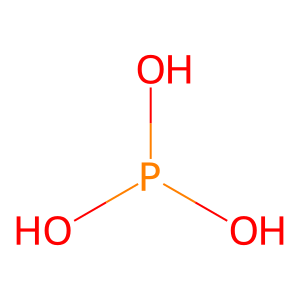
Description : Phosphorous acid (CAS 13598-36-2) serves as a vital reducing agent and intermediate in the API inter...