Search through
Hero Background
rounded-bottom

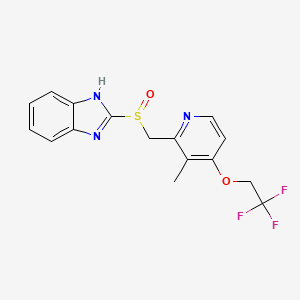
Lansoprazole (CAS NO : 103577-45-3)

Lansoprazoleis (CAS 103577-45-3), a potent, substituted Benzimidazole Proton Pump Inhibitor (PPI) API classified as an antiulcer and antisecretory agent. As a prodrug, Lansoprazole's therapeutic potency is unleashed within the highly acidic environment (pH < 4) of the gastric parietal cell canaliculi. There, Lansoprazole undergoes an acid-catalysed transformation into its active form, a tetracyclic sulfenamide intermediate. This active metabolite achieves its profound acid suppression by forming stable, covalent disulfide bonds with specific cysteine residues on the gastric H⁺/K⁺-ATPase enzyme (as proton pump). This binding causes the irreversible inactivation of the pump, effectively blocking the final step of acid secretion into the stomach lumen, ensuring a prolonged therapeutic effect (up to 24-48 hours) necessary for the effective healing of GERD and ulcers, which is why the API must be meticulously formulated with enteric coating and alkaline stabilisers to survive gastric transit. Also called 'Prevacid' or ‘Lansoprazolum’ by Lansoprazole manufacturers. We are the leading Lansoprazole supplier worldwide with usp grade specifically ensuring comprehensive regulatory support & CoA traceability with global supply capability with reliable lead time.

Lansoprazole

Lansoprazoleis (CAS 103577-45-3), a potent, substituted Benzimidazole Proton Pump Inhibitor (PPI) API classified as an antiulcer and antisecretory agent. As a prodrug, Lansoprazole's therapeutic potency is unleashed within the highly acidic environment (pH < 4) of the gastric parietal cell canaliculi. There, Lansoprazole undergoes an acid-catalysed transformation into its active form, a tetracyclic sulfenamide intermediate. This active metabolite achieves its profound acid suppression by forming stable, covalent disulfide bonds with specific cysteine residues on the gastric H⁺/K⁺-ATPase enzyme (as proton pump). This binding causes the irreversible inactivation of the pump, effectively blocki...

Get a Quote

Details included in quote

Minimum Order Quantity

Lead Time

Regional Availability

Incoterms

Rounded Top

Chemical Properties & Specifications

Applications of Lansoprazole

Gastroenterology

(Gastric Acid Suppression) Short-term treatment and maintenance of Gastroesophageal Reflux Disease (GERD) and Erosive Esophagitis (EE)

Ulcer Management

(Ulcer Healing) Treatment of active Duodenal Ulcers, Gastric Ulcers, and those associated with NSAID use

Infectious Disease

(H. pylori Eradication) Key component in Triple Therapy regimens (Lansoprazole + two antibiotics) to treat H. pylori infections

Hypersecretory

(Acid Control Conditions) Management of pathological hypersecretory conditions, notably Zollinger-Ellison Syndrome (ZES)

Have Questions About Lansoprazole?
We've Got Answers.

The long-lasting effect is achieved not by persistence in the blood, but by its covalent, irreversible binding to the Proton Pump ( Ht/Kt-ATPase). Acid secretion only resumes when the body synthesizes and incorporates new Proton Pumps into the cell membrane, which typically takes over 24 hours.

Lansoprazole is highly acid-labile (unstable in acid). Therefore, CDMOs must use sophisticated **Delayed-Release** formulation technologies, incorporating an enteric coating on the granules or pellets, often utilising alkaline stabilising excipients (e.g., magnesium carbonate) in the core to ensure the API survives the high-acid environment of the stomach to reach the small intestine for absorption.

Yes, it is critically important in the eradication of H. pylori. By potently suppressing gastric acid, Lansoprazole creates a favourable, higher- pH environment that significantly enhances the efficacy and stability of co-administered antibiotics (Amoxicillin and Clarithromycin or (Metronidazole), optimising treatment success.

Available globally as a prescription (R) and/or Over-The-Counter (OTC) drug, requiring GMP/ICH compliance and DMF documentation.

Long-term use is associated with a slight increase in the risk of osteoporosis-related fractures and hypomagnesemia (low magnesium levels).

HDPE Drums or Glass Containers with inner aluminum or polyethylene liners. Packaging must be airtight and opaque to prevent light and moisture ingress.

The container must be sealed under a nitrogen blanket after sampling or production packaging. Essential to minimize oxidation and maintain the stability of the sulfinyl group (S=O).

Suggested Products

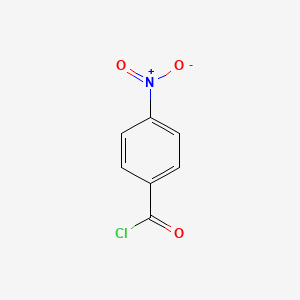
P-Nitrobenzoyl Chloride
top-right-icon

P-Nitrobenzoyl Chloride

CAS No. : 122-04-3

View Product
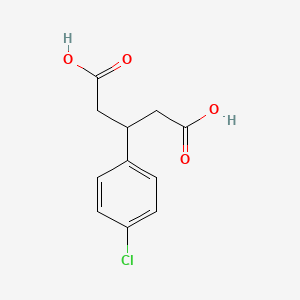
3-(4 Chloro Phenyl) Glutaric Acid
top-right-icon

CAS No. : 35271-74-0

View Product
4-(2-Aminoethyl)benzenesulfonamide
top-right-icon

CAS No. : 35303-76-5

View Product
4-Hydroxypyridine-3-sulfonic Acid
top-right-icon

CAS No. : 51498-37-4

View Product

Get a Quote

Get a Quote