Search through


Heptaldehyde (CAS 111-71-7), also known as Heptanal or Aldehyde C-7, is a versatile aliphatic aldehyde derived primarily from the pyrolytic cleavage of castor oil. Within the Flavours & Fragrances sector, Heptanal is a foundational aroma chemical characterized by a pervasive fatty, oily, and pungent fruity odor. Oenanthol is the essential precursor for synthesizing high-value jasmine-like fragrances, such as a-amylcinnamaldehyde (Jasminaldehyde). Strategically, n-Heptyl Aldehyde's bio-based origin from castor oil makes it a preferred building block for "Green Chemistry" initiatives in both F&F and sustainable Agrochemical formulations. We are a globally established Heptyl Aldehyde Industrial Grade manufacturer for competitive Heptaldehyde Wholesale Price and various other aromachemicals, from sourcing, r&d to manufacturing scaling to buy Heptanal Bulk through comprehensive regulatory documentation (CoA), manufacturing compliances, traceability, and consistent worldwide supply capabilities, ensuring reliable lead times and quality assurance across all grades.
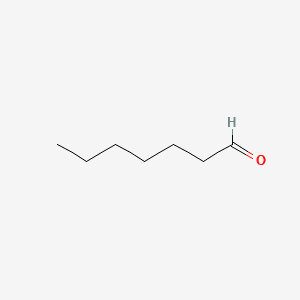
Heptaldehyde (CAS 111-71-7), also known as Heptanal or Aldehyde C-7, is a versatile aliphatic aldehyde derived primarily from the pyrolytic cleavage of castor oil. Within the Flavours & Fragrances sector, Heptanal is a foundational aroma chemical characterized by a pervasive fatty, oily, and pungent fruity odor. Oenanthol is the essential precursor for synthesizing high-value jasmine-like fragrances, such as a-amylcinnamaldehyde (Jasminaldehyde). Strategically, n-Heptyl Aldehyde's bio-based origin from castor oil makes it a preferred building block for "Green Chemistry" initiatives in both F&F and sustainable Agrochemical formulations. We are a globally established Heptyl Aldehyde Industria...

Chemical Properties & Specifications
Flammable Liquid (Cat 3)
Skin Irritation (Cat 2); Serious Eye Irritation (Cat 2)
Chronic Aquatic Toxicity (Cat 3); Harmful to aquatic life with long-lasting effects
Primary precursor for a-Amylcinnamaldehyde (Jasminaldehyde), which provides the distinctive floral note in soaps and fine perfumes. Also serves as a base for Coconut Aldehyde (y-Nonalactone) and various fruity esters
(e.g., Oenanthol Bisulfite) are used in organic fungicide and insecticide formulations. Effective against a broad spectrum of plant pathogens including blights, mildews, and the Potato Tuber Moth (PTM)
Building block for Plasticizers, Surfactants, and Lubricants. Converted into Heptanoic Acid and 1-Heptanol, which have further applications in polyamides and cooling fluids
Highly sensitive to oxidation. Must be stored under Inert Gas (Nitrogen) and is often stabilized with antioxidants (e.g., 100 ppm hydroquinone)
Store in a cool, well-ventilated area away from ignition sources. Recommended storage at 2-8°C for analytical standards or below 15 o C for industrial bulk
Store in tightly sealed original containers (HDPE drums or ISO tanks). Keep away from light
Strong bases, strong reducing agents, and oxidizing agents
Traditional nomenclature in the fragrance industry based on its seven-carbon chain. While it has a pungent "oily-fatty" note on its own, when diluted or synthesized into Jasminaldehyde, it creates the natural, "green" floralcy essential for jasmine accords.
Our Heptaldehyde is 100% linear and derived from Castor Oil (Vegetal origin). This allows manufacturers to label their end-products as sustainable or carbon-neutral, meeting the growing consumer demand for "Natural" and "Green" formulations in Beauty & Personal Care.
Oxidation is the main risk. We supply Heptaldehyde Nitrogen-blanketed and stabilized with antioxidants. Users should minimize headspace in storage tanks and ensure all transfers are performed under an inert atmosphere to maintain high purity (>97%).
Category : Fragrance Ingredients
Sub-Category : Polycyclic Synthetic Musks
Description : Our Ambrettolide is a high-purity, 17-membered macrocyclic lactone that captures the elegant, diffus...