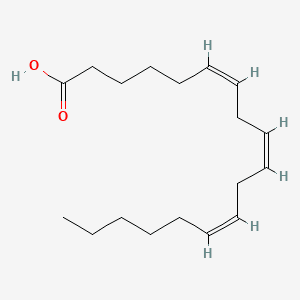

Gamolenic acid (GLA), or γ-linolenic acid or also known as ácido gamolénico (GLA borage oil manufacturer) is a biologically important omega-6 fatty acid. GLA bypasses (unlike many fatty acids) the delta-6-desaturase enzyme-frequently impaired due to aging, metabolic conditions, or chronic disease. GLA is efficiently converted into dihomo-gamma-linolenic acid (DGLA), a direct precursor to prostaglandin E1 (PGE1), a compound universally recognised for its anti-inflammatory and vasodilatory roles in the body. Endogenous production of GLA reduces in diabetes- (comprises cell membranes and impaired nerve signaling)-GLA supplementation provides essential structural lipids that help support nerve membrane integrity and normal nerve function. As naturally occurred in several plant and fungal sources and is most commonly present in the form of triglycerides. Commercially, a key active component of evening primrose oil and borage oil. Evening primrose oil typically contains approximately 7–14% GLA & was clinically studied for potential clinical applications, including menopausal symptoms, diabetic neuropathy, cyclical breast discomfort. As a result, GLA is commonly included in over-the-counter dietary supplements. Scientific studies had examined GLA's role across range of health areas, including inflammatory and immune-related conditions such as rheumatoid arthritis, atopic eczema, asthma, and ulcerative colitis, as well as metabolic and neurological conditions like cardiovascular disease, diabetic neuropathy, ADHD, osteoporosis, and sleep disturbances. We are a globally established Alpha Lipoic Acid and Gamma-Linolenic Acid supplier, along with a broad portfolio of nutraceutical ingredients worldwide through comprehensive regulatory documentation, (CoA) traceability, and consistent global supply capabilities, ensuring reliable lead times and quality assurance across all grades.

Gamolenic acid (GLA), or γ-linolenic acid or also known as ácido gamolénico (GLA borage oil manufacturer) is a biologically important omega-6 fatty acid. GLA bypasses (unlike many fatty acids) the delta-6-desaturase enzyme-frequently impaired due to aging, metabolic conditions, or chronic disease. GLA is efficiently converted into dihomo-gamma-linolenic acid (DGLA), a direct precursor to prostaglandin E1 (PGE1), a compound universally recognised for its anti-inflammatory and vasodilatory roles in the body. Endogenous production of GLA reduces in diabetes- (comprises cell membranes and impaired nerve signaling)-GLA supplementation provides essential structural lipids that help support nerve membrane integrity and normal nerve function. As naturally occurred in several plant and fungal sources and is most commonly present in the form of triglycerides. Commercially, a key active component of evening primrose oil and borage oil. Evening primrose oil typically contains approximately 7–14% GLA & was clinically studied for potential clinical applications, including menopausal symptoms, diabetic neuropathy, cyclical breast discomfort. As a result, GLA is commonly included in over-the-counter dietary supplements. Scientific studies had examined GLA's role across range of health areas, including inflammatory and immune-related conditions such as rheumatoid arthritis, atopic eczema, asthma, and ulcerative colitis, as well as metabolic and neurological conditions like cardiovascular disease, diabetic neuropathy, ADHD, osteoporosis, and sleep disturbances. We are a globally established Alpha Lipoic Acid and Gamma-Linolenic Acid supplier, along with a broad portfolio of nutraceutical ingredients worldwide through comprehensive regulatory documentation, (CoA) traceability, and consistent global supply capabilities, ensuring reliable lead times and quality assurance across all grades.
Pharmaceutical, Food & Nutrition
Nutraceutical Ingredients, Pharmaceutical Actives & Precursors
Intermediates & Precursors, Plant Extracts

Chemical Properties & Specifications
S26-S36
H315; H319; H335
P261, P264, P264+P265, P271, P280, P302+P352, P304+P340, P305+P351+P338, P319, P321, P332+P317, P337+P317, P362+P364, P403+P233, P405, and P501
May slow blood clotting; use caution with anticoagulant medications
On ALA Combination, Nerve blood flow and conduction velocity enhancement
Atopic Dermatitis treatment and Skin moisture retention
Manages symptoms of PMS and hormonal inflammation
Highly prone to oxidation
Store in a cool place under Nitrogen blanketing
Handle as a lipid/oil & ensure clean transfer to avoid rancidity
Storage shelf life 12-18 months (Cold-pressed oils may vary)