Search through


Carvacrol or Antioxine is a natural monoterpenoid phenol primarily found in oregano oil and thyme. It is highly recognized for its antimicrobial, antioxidant, and anti-inflammatory properties. Carvacrol is used extensively in the food, pharmaceutical, and personal care industries for its flavoring, preservative, and therapeutic applications.
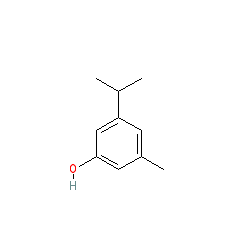
Carvacrol or Antioxine is a natural monoterpenoid phenol primarily found in oregano oil and thyme. It is highly recognized for its antimicrobial, antioxidant, and anti-inflammatory properties. Carvacrol is used extensively in the food, pharmaceutical, and personal care industries for its flavoring, preservative, and therapeutic applications.

Chemical Properties & Specifications
Skin Irritation: Category 2 Eye Irritation: Category 2A Specific Target Organ Toxicity (Single Exposure): Category 3
H315: Causes skin irritation. H319: Causes serious eye irritation. H335: May cause respiratory irritation.
P264: Wash hands thoroughly after handling. P280: Wear protective gloves and eye protection. P302+P352: IF ON SKIN: Wash with soap and water. P305+P351+P338: IF IN EYES: Rinse cautiously with water for several minutes. Remove contact lenses if present and easy to do – continue rinsing. P304+P340: IF INHALED: Remove person to fresh air and keep comfortable for breathing.
Found in oral care, skincare, and fragrances for its antibacterial properties.
Acts as a natural antimicrobial and anti-inflammatory agent.
Used as a flavoring agent in meats, condiments, and processed foods.
Used as a natural preservative in food processing and animal feed.
Carvacrol is extensively used in the food and beverage industry as a natural preservative and flavoring agent, in the pharmaceutical sector for its antimicrobial and anti-inflammatory properties, and in animal feed additives to promote gut health and reduce the use of antibiotics in livestock.
Carvacrol disrupts microbial cell membranes by altering their permeability. It integrates into the lipid bilayer of microbial cells, leading to leakage of ions and essential molecules, ultimately causing cell death. It is effective against gram-positive and gram-negative bacteria, fungi, and certain viruses.
Yes, Carvacrol is considered safe for human consumption when used within recommended limits. It is approved as a flavoring substance and food preservative by regulatory authorities like the FDA (Generally Recognized as Safe - GRAS) and is commonly found in oregano oil supplements, functional foods, and natural preservatives.
Carvacrol is known for its antioxidant, antimicrobial, and anti-inflammatory properties. It is often included in dietary supplements to support immune health, reduce inflammation, and act as a natural remedy for bacterial and fungal infections.
Category : Fragrance Ingredients
Sub-Category : Polycyclic Synthetic Musks
Description : Our Ambrettolide is a high-purity, 17-membered macrocyclic lactone that captures the elegant, diffus...