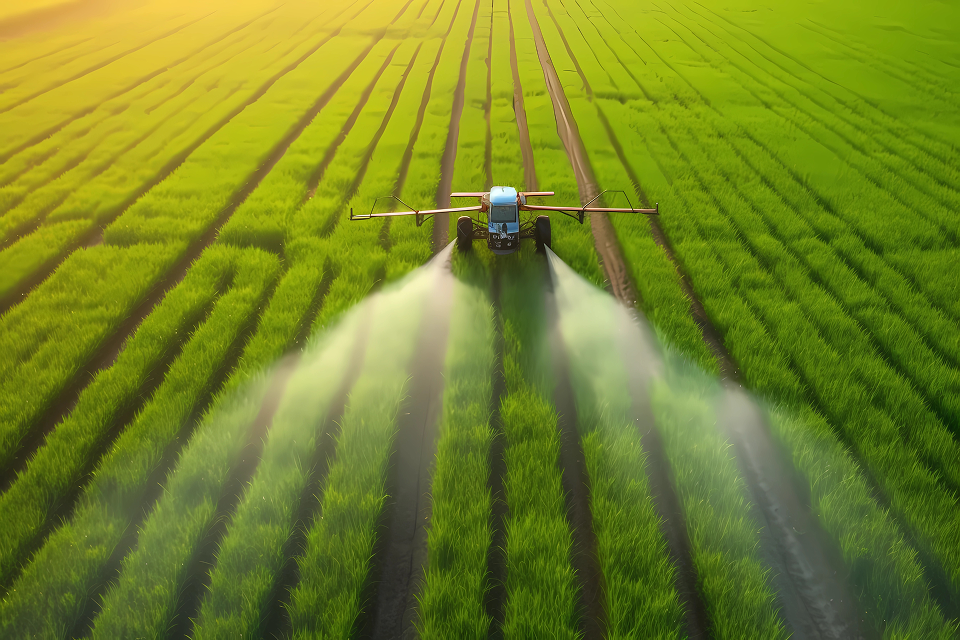
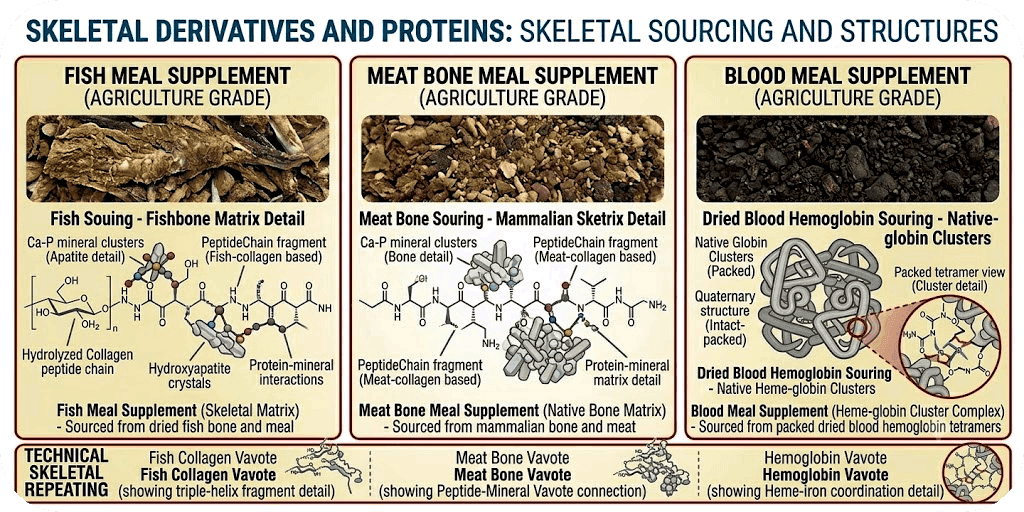

Blood Meal is a dry, sterilized animal byproduct rich in nitrogen, used as an organic soil amendment and fertilizer. It provides rapid nitrogen uptake and improves soil organic matter, commonly applied in organic farming, horticulture, and nitrogen-deficient soil zones.

Blood Meal is a dry, sterilized animal byproduct rich in nitrogen, used as an organic soil amendment and fertilizer. It provides rapid nitrogen uptake and improves soil organic matter, commonly applied in organic farming, horticulture, and nitrogen-deficient soil zones.

Chemical Properties & Specifications
Not classified as hazardous
P280: Use gloves and dust mask when applying P261: Avoid breathing dust P264: Wash after use P305+P351+P338: In case of eye exposure, rinse thoroughly
Fast-acting organic nitrogen for leafy vegetables, cereals, and lawn crops.
Enhances microbial activity and organic content in soil ecosystems.
Used in blending with compost, potting soils, or biofertilizer carriers.
Supplies nitrogen to accelerate carbon-heavy compost piles.
Greenhouse and protected cultivation systems
Supplied in bulk to agricultural cooperatives and horticulture hubs
Cool, dry place, away from moisture and pests
2–3 bags high on pallets
12 months (dry sealed conditions)
Dried, sterilized animal blood in powder or granule form
Palletized, stretch-wrapped, containerized
Blood meal provides 12–15% nitrogen—making it one of the most concentrated organic nitrogen sources.
Applied as a basal dose or side dressing; can be blended with compost or spread directly into soil.
Yes, when sourced from approved slaughter facilities and with proper documentation (OMRI/USDA-NOP compliant).
Yes, it promotes microbial activity, supports vegetative growth, and improves soil fertility.
Best for nitrogen-hungry crops like leafy vegetables, corn, rice, and turf; not ideal for fruiting crops at maturity stages.
Up to 12 months in dry, ventilated spaces. Seal bags tightly to prevent odor loss and pest attraction.
COA, MSDS, Phytosanitary certificate (if needed), and organic certification on request.
No, it is not water-soluble and must be used as a soil amendment only.
Yes, with COO and process documentation.
Supplied in bulk to agricultural cooperatives and horticulture hubs