Search through


Acetyl Tributyl Citrate commonly known as BIO BASED Acetyl Tributyl Citrate (ATBC ), is a high-performance, non-toxic plasticiser. Within the Industrial Chemicals, Beauty & Personal Care, and Food & Nutrition hierarchies, Tributyl acetylcitrate - premier "green" alternative to phthalates. Derived from the fermentation of natural carbohydrates (citric acid), ATBC is recognised for its exceptional safety profile, low volatility, and high compatibility with a wide range of polymers. Source High-Purity Acetyl Tributyl Citrate (CAS 77-90-7) from Scimplify, your authoritative global manufacturer of bio-based plasticizers. Our ATBC is a 100% biodegradable, phthalate-free ester engineered for sensitive applications in medical devices, food packaging, and premium cosmetics. As an authoritative ATBC supplier, we ensure our material meets global regulatory standards, including REACH (EU) registration, FDA (USA) approval for food contact, and USP/EP requirements for pharmaceutical excipients. Citrate ester is prized for its low toxicity and excellent heat stability. Whether you are formulating non-toxic PVC medical tubing, long-wear nail lacquers, or compostable food wraps, Scimplify delivers the technical performance, international SDS/COA transparency, and reliable bulk logistics required for the global green-chemistry transition.
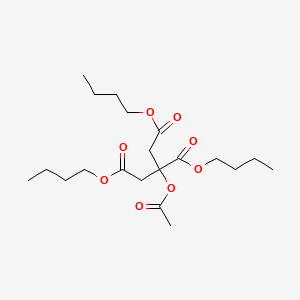
Acetyl Tributyl Citrate commonly known as BIO BASED Acetyl Tributyl Citrate (ATBC ), is a high-performance, non-toxic plasticiser. Within the Industrial Chemicals, Beauty & Personal Care, and Food & Nutrition hierarchies, Tributyl acetylcitrate - premier "green" alternative to phthalates. Derived from the fermentation of natural carbohydrates (citric acid), ATBC is recognised for its exceptional safety profile, low volatility, and high compatibility with a wide range of polymers. Source High-Purity Acetyl Tributyl Citrate (CAS 77-90-7) from Scimplify, your authoritative global manufacturer of bio-based plasticizers. Our ATBC is a 100% biodegradable, phthalate-free ester engineered for sensit...

Chemical Properties & Specifications
H413:May cause long lasting harmful effects to aquatic life
H412:Harmful to aquatic life with long lasting effects
H411:Toxic to aquatic life with long lasting effects
H410:Very toxic to aquatic life with long lasting effects
H400:Very toxic to aquatic life
H350i:May cause cancer by inhalation
H350:May cause CANCER
H340:May cause genetic defects
H319:Causes serious eye irritation
H315:Causes skin irritation
H226:Flammable liquid and vapour
H220:Extremely flammable gas
Primary replacement for DEHP and DINP in PVC formulations. Non-toxic & industry standard for children's toys, medical-grade tubing, and blood bags. It provides excellent flexibility even at low temperatures and resists extraction by aqueous fluids
Key ingredient in nail lacquers (Cosmetics). Prevents the polish from becoming brittle and chipping, providing a durable, high-gloss finish. Serves as a stable solvent/fixative in certain fragrance formulations
Plasticiser in vinylidene chloride-vinyl chloride copolymers (Saran-type wraps) and aluminium foil coatings. GRAS status makes it ideal for films that come into direct contact with fatty foods
Highly stable under normal storage conditions. High boiling point ( 327°C) and very low volatility, ensuring the plasticizer remains within the polymer matrix over time
Store in a cool, dry place. Use Stainless Steel or HDPE containers. Protect from moisture to prevent trace hydrolysis of the ester groups
Non-hazardous for transport. Available in 200kg steel/plastic drums, 1000kg IBC totes, and ISO Tanks for large-volume global (B2B) distribution
Yes. Our ATBC is derived from Citric Acid, which is produced via the fermentation of corn or sugar beet starch, and n-Butanol, which can also be sourced via bio-fermentation (Bio-Butanol). This gives ATBC a significantly higher Renewable Carbon Index (RCI) compared to petroleum-based phthalates.
ATBC has excellent thermal stability. It can withstand standard autoclave sterilization temperatures (121°C) without degrading or leaching, making it the preferred choice for intravenous (IV) sets and catheters.
In most cases, yes. ATBC is highly compatible with PVC. However, because it has a slightly higher efficiency, you may find you can reduce the total plasticizer load by 5-10% while achieving the same "Shore A" hardness, potentially offering a cost-saving benefit.
Absolutely. Because it is phthalate-free, non-VOC (volatile organic compound), and biodegradable, ATBC is a key component for products seeking Green Seal, Eco-Logo, or OEKO-TEX certification in the textile and consumer goods sectors.
As global regulations phase out phthalates (like DOP/DBP), ATBC has emerged as the industry's most trusted non-toxic, biodegradable alternative for sensitive applications ranging from medical tubing and children’s toys to high-end food packaging.
ATBC moq to buy ATBC Plasticizer Bulk shared upon sourcing with 2026 compatible price for b2b commercial orders along with atbc coa, tds along with regulatory compliance documentations.