Search through


2,4-D Ethyl Ester is a systemic herbicide absorbed by the leaves and roots of plants, disrupting cell division and growth. It is effective against broadleaf weeds and used extensively in cereals, sugarcane, pasture, and aquatic weed control.
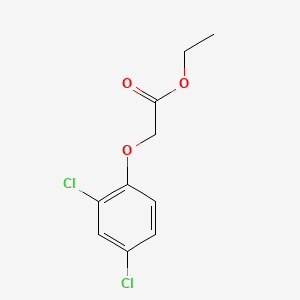
2,4-D Ethyl Ester is a systemic herbicide absorbed by the leaves and roots of plants, disrupting cell division and growth. It is effective against broadleaf weeds and used extensively in cereals, sugarcane, pasture, and aquatic weed control.

Chemical Properties & Specifications
Acute Toxicity (Oral): Category 4 Eye Irritation: Category 2A Hazardous to the Aquatic Environment: Category 2
H411: Toxic to aquatic life with long-lasting effects. H302: Harmful if swallowed. H319: Causes serious eye irritation.
P280: Wear protective gloves/protective clothing/eye protection. P273: Avoid release to the environment. P301+P312: IF SWALLOWED: Call a POISON CENTER.
Post-emergence control of broadleaf weeds in wheat, rice, maize.
Weed management during early growth stages.
Eliminates unwanted broadleaf species in grazing fields.
Used selectively for aquatic weed eradication.
Cool, dry, and ventilated warehouse; avoid direct sunlight
Steel drums or plastic containers, stacked properly
UN 3082 (hazardous), Marine pollutant labeling
200 L drums, 50 L cans, bulk options available
24 months (sealed, cool storage)
Wheat, rice, maize, sugarcane, pasture grasses, and for aquatic weed control.
2,4-D ethyl ester 38% EC is the same as 2,4-D ethyl ester 38% EC technical. The "technical" designation simply refers to the purest, most concentrated form of the active ingredient, 2,4-D ethyl ester, which is then used to formulate products like the 38% EC (Emulsifiable Concentrate) herbicide.
Acts as a synthetic auxin, disrupting normal cell division and growth in weeds.
As an oil-based spray or water emulsion using appropriate surfactants.
Typically 0.5–1.5 L per hectare depending on the crop and weed infestation.
200 L drums, 50 L cans, customized on request.
Moderately hazardous; handle with PPE and avoid aquatic contamination.