Search through


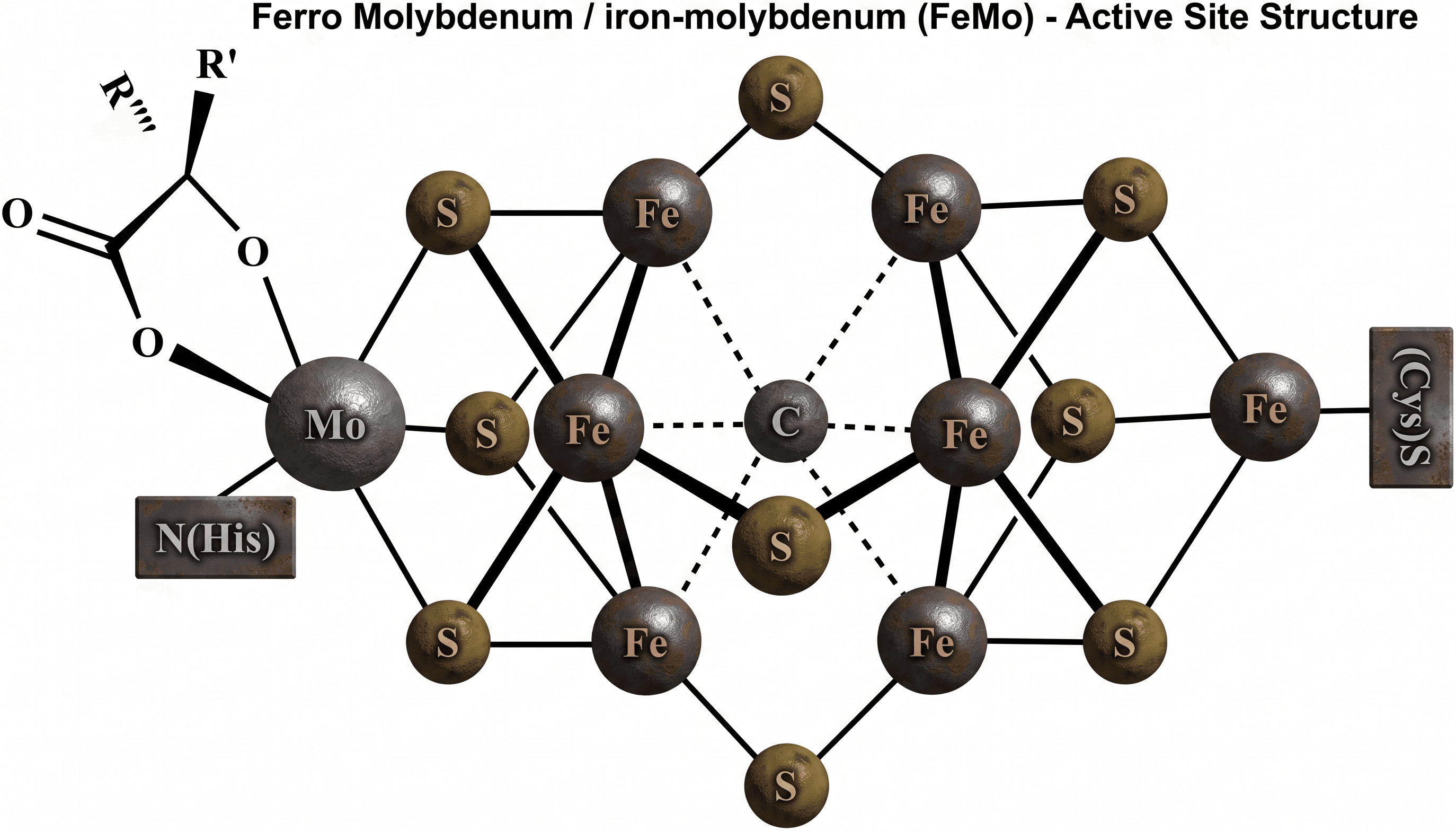
Our high-purity Ferro Molybdenum (FeMo) is an essential master alloy utilised primarily in the steelmaking and foundry industries to introduce controlled quantities of molybdenum into molten iron and steel matrices. As a critical structural component, molybdenum significantly raises an alloy's hardenability, thermal resistance, and mechanical toughness. This makes our Ferro Molybdenum indispensable across several demanding heavy-industrial sectors. Our manufacturing process utilises precise metallothermic reduction protocols to carefully govern the impurity thresholds of critical elements like (Cu), (S), (P), (C). Minimising these is vital to preventing grain-boundary embrittlement and ensuring the structural integrity of high-specification end products. We are a premier high-purity Ferro Molybdenum (FeMo) supplier for high-grade ferroalloys, providing reliable lot-to-lot chemical consistency for global steel manufacturing and foundry chains. We deliver a comprehensive selection of Ferro Molybdenum grades with full analytical documentation, including batch-specific X-ray Fluorescence (XRF) and Inductively Coupled Plasma (ICP) spectroscopy profiles, and supporting quality assurance data (FeMo COA/SDS/TDS). We ensure secure supply chains from pilot-lot evaluations to multi-container commercial campaigns, enabling steel producers to satisfy stringent international standards.
Our high-purity Ferro Molybdenum (FeMo) is an essential master alloy utilised primarily in the steelmaking and foundry industries to introduce controlled quantities of molybdenum into molten iron and steel matrices. As a critical structural component, molybdenum significantly raises an alloy's hardenability, thermal resistance, and mechanical toughness. This makes our Ferro Molybdenum indispensable across several demanding heavy-industrial sectors. Our manufacturing process utilises precise metallothermic reduction protocols to carefully govern the impurity thresholds of critical elements like (Cu), (S), (P), (C). Minimising these is vital to preventing grain-boundary embrittlement and ensur...

Chemical Properties & Specifications
Enhances yield strength, weldability, and impact toughness in structural steels used for large-scale infrastructure, high-pressure pipelines, and automotive components
Drastically improves resistance to localized pitting, crevice corrosion, and chloride-induced stress corrosion cracking (SCC) in maritime, chemical processing, and desalination environments
Provides critical hot-hardness and wear resistance in high-speed cutting tools, industrial dies, and mechanical drill bits by forming stable, thermally resilient complex carbides
Essential for power-generation turbines, oil refinery cracker tubes, and aerospace exhaust structures that operate under sustained mechanical loads at elevated temperatures (> 550°C)
Utilized in foundry castings for diesel engine blocks, brake rotors, and crushing mills to increase tensile strength and prevent thermal fatigue.
Production and supply of our Ferro Molybdenum portfolio focus on uniform chemistry and dense, low-dust physical sizing. Molybdenum possesses a high melting point (2623°C), which poses a technical challenge for uniform dissolution in molten steel. By alloying molybdenum with iron, the melting temperature of the resulting master alloy is lowered to a range of 1800°C to 1900°C, ensuring rapid dissolution and homogenous distribution throughout the furnace melt without excessive energy consumption.
Ferromolybdenum is a ferroalloy consisting of iron and molybdenum, with a typical molybdenum content ranging from 60% to 75%.
Ferromolybdenum serves as the main source for adding molybdenum to High-Strength Low-Alloy (HSLA) steel to improve structural integrity and corrosion resistance in automotive and construction materials; it is produced through an aluminothermic reaction by heating a mixture of molybdenum(VI) oxide (M003), aluminum, and iron.
Trace elements significantly alter the microstructure of high-performance steels. Copper induces "hot shortness" during the hot-rolling phase of steel manufacturing, causing micro-cracking along the grain boundaries. Sulfur forms iron sulfides (Fes) that melt at lower temperatures, leading to brittleness during thermal processing. Our high-purity FeMo70 Low-Cu grade restricts copper to ≤ 0.50% and sulfur to ≤ 0.10%, providing metallurgical engineers with the precise chemical control needed to maintain high impact toughness and prevent structural failure in extreme operating environments.
Sizing directly impacts the efficiency of alloy recovery. If the lumps are too large, they sink to the bottom of the furnace and dissolve slowly, leading to compositional heterogeneity and extended heat times. Conversely, undersized material or excessive "fines" (≤ 2 mm) float on the slag layer and undergo rapid oxidation, resulting in material loss and inaccurate chemical adjustments. We offer tightly controlled sizing windows (such as 10-50 mm) with a target fines percentage of < 5%. This guarantees uniform dissolution kinetics, predictable recovery rates (≥ 97%), and lowered energy expenditure per melt batch.
Molybdenum is a highly volatile commodity subject to strict geopolitical and supply chain risks. Fragmented sourcing on the spot market exposes procurement managers to sudden pricing spikes and quality variations. We mitigate this through an integrated supply network and long-term volume agreements. By establishing a dedicated supply contract, steel plants can ensure a multi-month inventory cushion with fixed technical specifications. This stabilizes raw material input costs and ensures production continuity for critical infrastructure and defense-related contracts.
Yes. Modern melt shops utilize automated cored-wire or bulk hopper dosing systems that require precise bulk densities and packaging configurations. We can supply our Ferro Molybdenum in specific weight-calibrated small bags (e.g., 10 kg or 25 kg bags) inside heavy-duty 1 MT jumbo bags or steel drums. This minimizes manual handling, eliminates charging dust, and allows automated tracking software to accurately maintain the target alloy stoichiometry down to the kilogram.
We bridge the gap between heavy metallurgy and strict global compliance. Every container or lot of Ferro Molybdenum is accompanied by a comprehensive Certificate of Analysis (COA) verified via X-ray Fluorescence (XRF) and spark-source optical emission spectroscopy. All materials are certified in accordance with ISO 5452 guidelines and are supported by GHS-compliant Safety Data Sheets (SDS) and technical data packages, satisfying the strict quality management audits of Tier-1 international automotive and oil & gas suppliers.