Search through


Antimony Trioxide (Sb₂O₃) or ATO is a versatile inorganic compound universally used across multiple industrial sectors, primarily as a flame retardant. Predominantly utilised in the production of plastics, textiles, glass, and electronic components. Antimony Trioxide main role is as a synergist in halogenated flame retardant systems for various applications, where it enhances the material’s flame resistance. For clarity in trade and sourcing, Antimony Trioxide is also called by other names, such as Diantimony Trioxide and Antimonious Oxide, terms often used by ATO manufacturers. Offered Antimony Trioxide as an end-to-end product solution and competitive pricing on ATO grades. We are a globally established Antimony Trioxide manufacturer and various flame-retardant supplier.
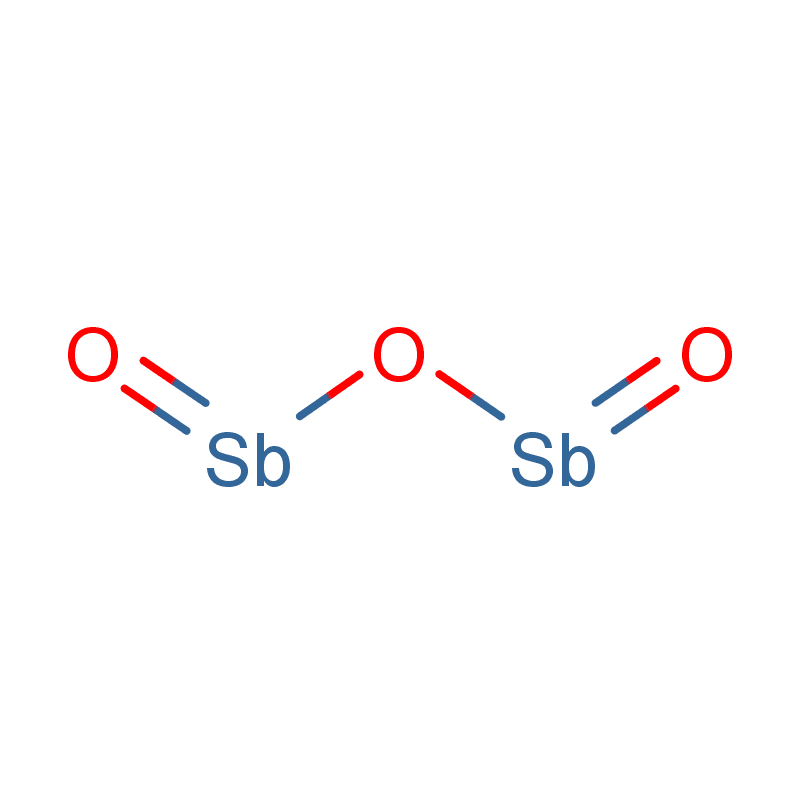
Antimony Trioxide (Sb₂O₃) or ATO is a versatile inorganic compound universally used across multiple industrial sectors, primarily as a flame retardant. Predominantly utilised in the production of plastics, textiles, glass, and electronic components. Antimony Trioxide main role is as a synergist in halogenated flame retardant systems for various applications, where it enhances the material’s flame resistance. For clarity in trade and sourcing, Antimony Trioxide is also called by other names, such as Diantimony Trioxide and Antimonious Oxide, terms often used by ATO manufacturers. Offered Antimony Trioxide as an end-to-end product solution and competitive pricing on ATO grades. We are a global...

Chemical Properties & Specifications
H302, H315, H319, H335
P264, P270, P301 + P312, P305 + P351 + P338
Category 2, 2A, 3, 4
13 - Non-combustible solids
Harmful by ingestion, may cause respiratory irritation, skin, and eye irritation
WGK 2 (Class 2: hazardous to water)
Incorporated into plastics, textiles, and coatings to enhance their fire-resistant properties. Acts as a synergist in Combination with halogenated flame retardants
Preferred in the manufacture of polyethylene terephthalate (PET), contributing to the production of bottles, containers, and fibers
Preferred in the production of certain types of glass and ceramics, improving their thermal and optical properties
Chosen in the production of semiconductors and other electronic devices where it serves as an additive for the enhancement of electronic components
20–25°C (68–77°F)
Keep in a cool, dry place away from light and moisture
Use airtight containers to prevent contamination
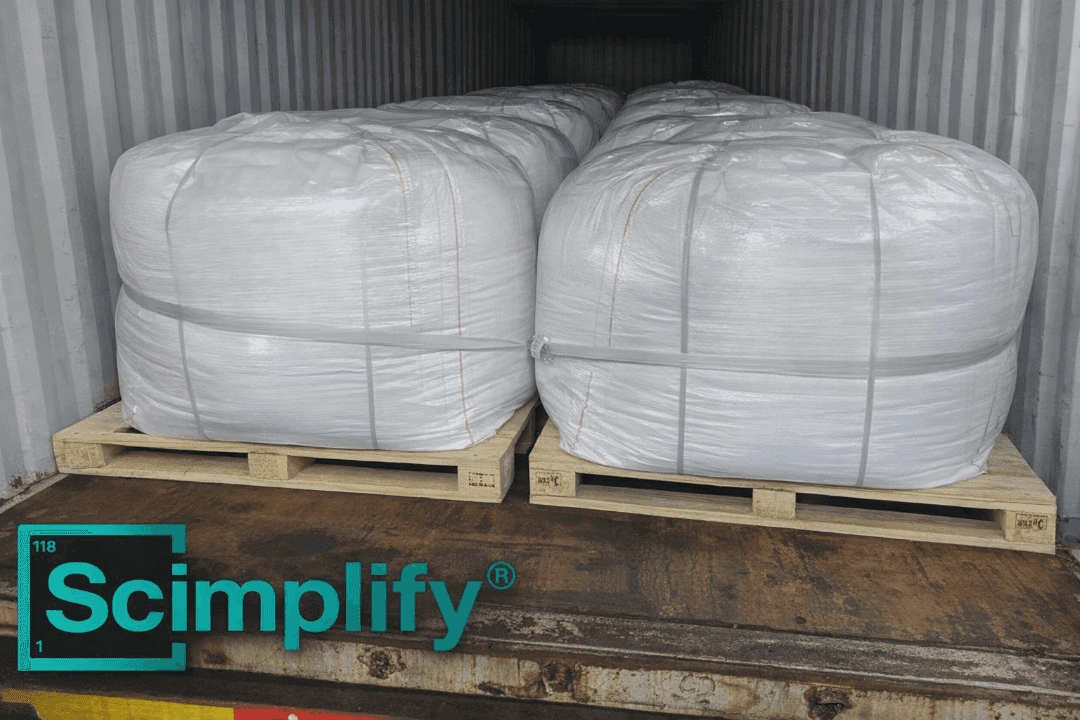
Packaged 50-kilogram HDPE bags
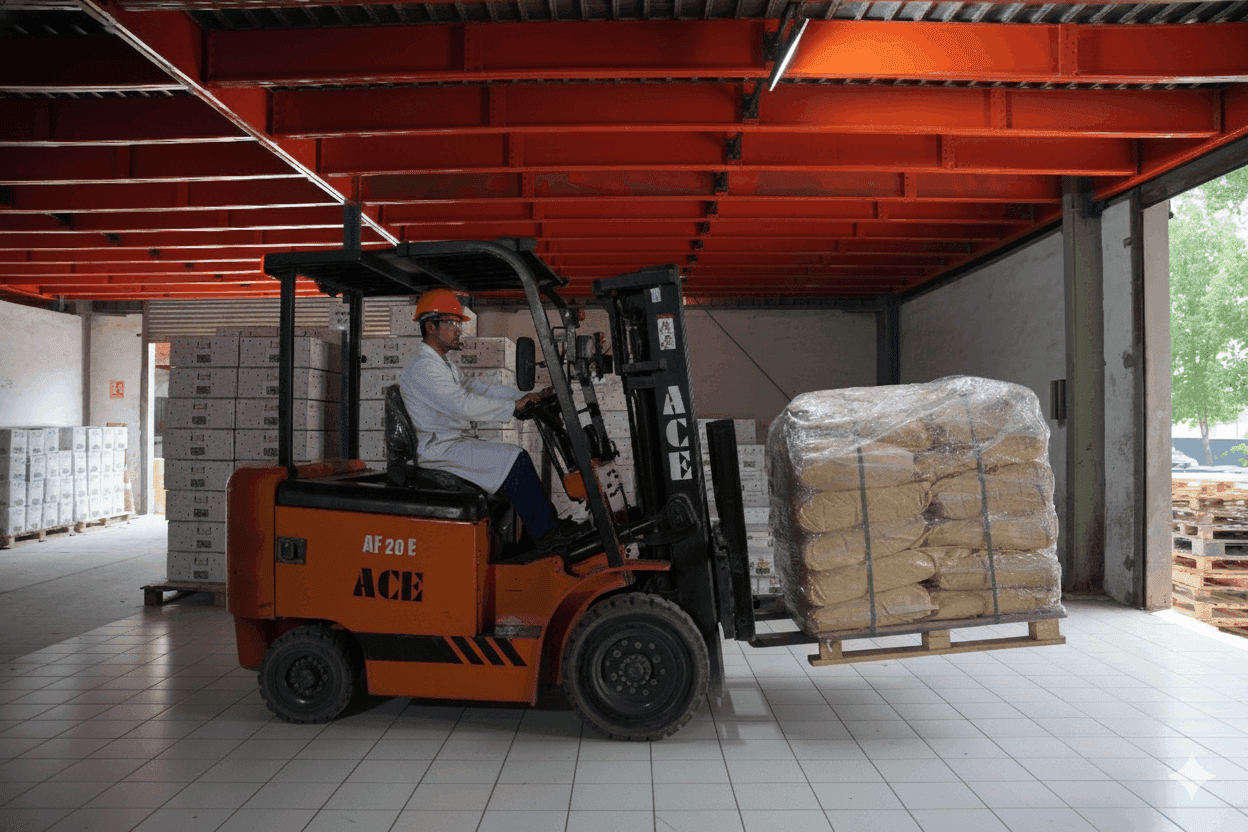
Each pallet is stretch-wrapped in polyethylene to ensure the bags remain secure during transit
Alternative package: 500-kilogram big bags
As a flame retardant in plastics, textiles, and coatings, and in the manufacturing of ceramic enamels and glass.
Antimony trioxide is an inorganic compound appearing as a white crystalline powder. It serves multiple industrial purposes, including: Flame Retardant Synergist: Enhances the effectiveness of halogenated flame retardants in materials like plastics, textiles, and coatings. Opacifying Agent: Used in glasses, ceramics, and enamels to impart opacity. Catalyst: Facilitates the production of polyethylene terephthalate (PET) and aids in the vulcanization of rubber.
When combined with halogenated flame retardants, antimony trioxide promotes the formation of less flammable chars, thereby enhancing the material's resistance to combustion.
While antimony trioxide itself is not a flame retardant, it acts as a synergist, enhancing the effectiveness of halogenated flame retardants. This combination is widely used due to its cost-effectiveness and efficiency in reducing flammability.
In the production of PET plastics, antimony trioxide acts as a catalyst, accelerating the polymerization process and improving production efficiency.
Antimony trioxide can migrate into air and dust from products containing it, leading to potential environmental contamination. Proper handling and disposal practices are essential to mitigate environmental impact.
Engineering Controls: Implement adequate ventilation systems to limit airborne concentrations. Personal Protective Equipment (PPE): Utilize appropriate respiratory protection, gloves, and protective clothing. Hygiene Practices: Ensure proper washing facilities and discourage eating or drinking in areas where antimony trioxide is handled.
Carcinogenic Potential: Classified as "reasonably anticipated to be a human carcinogen" by the National Toxicology Program. Occupational Exposure: Inhalation can lead to respiratory issues; thus, a Threshold Limit Value (TLV) of 0.5 mg/m³ has been established for workplace air.
Yes export ready with ATO COA, msds, tds documents provided on sourcing with appropriate lead time.
Yes, you can purchase Antimony Trioxide in bulk quantities.