
Search through
Hero Background
rounded-bottom

Xanthan Gum (CAS NO : 11138-66-2)

Xanthan gum (polysaccharide gum) (CAS: 11138-66-2), produced by fermentation of carbohydrates by bacteria, is a natural substance. E415 (European food additive identifier) has multi-functionalities as a stabiliser and emulsifier used in a range of foods, personal care products, and industrial applications by suppliers of xanthan gum. Xanthan gum has a characteristic shear-thinning property, which means it thins out when mixed or poured but thickens again when still. Xanthan gum is universally used in salad dressings to keep oil and vinegar mixed, in gluten-free baking to provide structure, and in sauces to improve texture for end-use food applications by xanthan gum producers. The additive, made using the bacterium ‘Xanthomonas campestris’ by xanthan gum manufacturers, is approved for human consumption by JECFA, FDS, EFSA and FAO. WHO recognised it as safe food. Also called polysaccharide gum by xanthan gum distributors. We are one of the leading, trusted xanthan gum suppliers worldwide with reliable lead time and global supply capability.

Xanthan Gum

Documents

COA

Xanthan gum (polysaccharide gum) (CAS: 11138-66-2), produced by fermentation of carbohydrates by bacteria, is a natural substance. E415 (European food additive identifier) has multi-functionalities as a stabiliser and emulsifier used in a range of foods, personal care products, and industrial applications by suppliers of xanthan gum. Xanthan gum has a characteristic shear-thinning property, which means it thins out when mixed or poured but thickens again when still. Xanthan gum is universally used in salad dressings to keep oil and vinegar mixed, in gluten-free baking to provide structure, and in sauces to improve texture for end-use food applications by xanthan gum producers. The additive, ...

Get a Quote

Details included in quote

Minimum Order Quantity

Lead Time

Regional Availability

Incoterms

Rounded Top

Chemical Properties & Specifications

Applications of Xanthan Gum

Thickening Agent

Increases the viscosity of a liquid without substantially changing its other properties. Used to control the texture of liquids in food, cosmetics, and industrial formulations.

Stabilizer

Prevents or reduces phase separation in a product, such as preventing oil and water from separating in salad dressings or controlling ice crystal formation in frozen desserts.

Emulsifier

Additive helps immiscible liquids, such as oil and water, mix together and form a stable emulsion. Preferred extensively in dressings, lotions, and other blended products.

Fat Replacer

In low-fat foods, xanthan gum can mimic the texture and mouthfeel of fat, enhancing the sensory experience without adding calories

Suspending Agent

Prevents solid particles from settling in a liquid, keeping suspensions uniform. Common in paints, pharmaceuticals, and agricultural applications.

Binder

In tableting or baked goods, hold ingredients together to improve structure and prevent crumbling.

Rheology Modifier

Controls and optimizes the flow properties of a fluid, from paints and coatings to oil drilling fluid

Have Questions About Xanthan Gum?
We've Got Answers.

Xanthan gum is valued for its unique rheological properties, specifically its pseudoplasticity (shear-thinning behavior), high viscosity at low concentrations, and stability across a range of temperatures (10-80°C) and pH levels (2-12).

While both are thickeners, xanthan gum offers superior temperature and pH stability and is often used in smaller quantities due to its higher thickening efficiency. It interacts synergistically with guar gum to produce increased viscosity.

Production costs are primarily influenced by the price of the carbon source (like corn or sucrose) used in the fermentation process. Alternative substrates and advanced recovery methods are being explored to reduce costs and dependence on specific crops.

After fermentation, the bacterial cells are separated, the gum is precipitated (often with isopropanol for food grade), and then dried and milled to a specific particle size depending on the application. Different purification steps define the final grade (e.g., food, cosmetic, industrial).

Yes. One of the availability is xanthan gum food grade 80 mesh

Yes export ready with xanthan gum coa, xanthan gum tds, xanthan gum sds documentations provided on sourcing.

Suggested Products

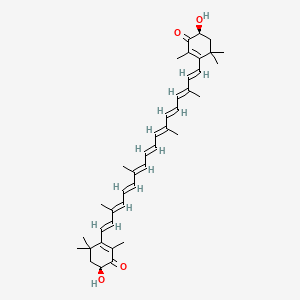
Astaxanthin
top-right-icon

Astaxanthin

CAS No. : 472-61-7

View Product
Gymnema sylvestre Extract
top-right-icon

Gymnema sylvestre Extract

CAS No. : 1399-64-0

View Product
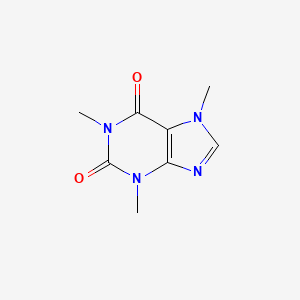
Caffeine
top-right-icon

Caffeine

CAS No. : 58-08-2

View Product
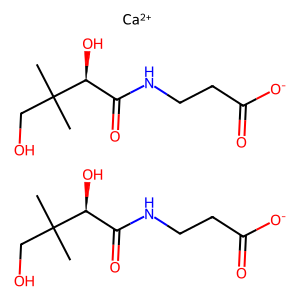
Calcium Pantothenate
top-right-icon

Calcium Pantothenate

CAS No. : 137-08-6

View Product

Get a Quote

Get a Quote