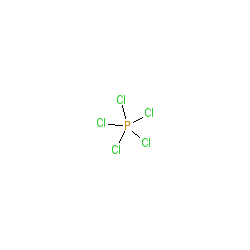
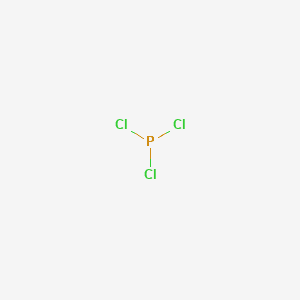

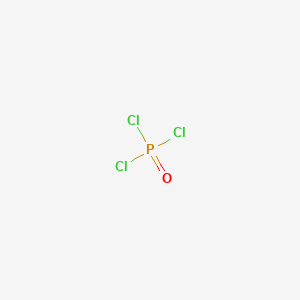

Phosphorus Halide and Oxyhalide series-comprising Phosphorus Trichloride (PCl3), Phosphorus Oxychloride (POCl3), and Phosphorus Pentachloride (PCl5)- represents the foundational "workhorse" reagents for modern chemical synthesis. These compounds are indispensable for functional group transformations, particularly in the conversion of alcohols and carboxylic acids into their corresponding chlorides and esters. PCl3 serves as the primary precursor in the phosphorus value chain, essential for the production of plasticizers and organophosphorus pesticides. POCl3 (Phosphory| Chloride) is universally recognized for its role in the Vilsmeier-Haack reaction, enabling the formylation of electron-rich aromatics. PCls acts as a more aggressive chlorinating agent compared to its trivalent counterpart, frequently utilized for the synthesis of acid chlorides from carboxylic acids and for the conversion of amides to nitriles. High-purity grades of these reagents are critical for CDMO operations to ensure high yields and minimize side-product formation (such as phosphoric acid impurities). Due to their extreme sensitivity to moisture and the release of HCl gas upon hydrolysis, these products are handled under strict inert atmospheres (Nitrogen/Argon). We are the leading phosphorus derivatives supplier worldwide, ensuring comprehensive regulatory support & CoA traceability for various grades with global supply capability with reliable lead time.

Phosphorus Halide and Oxyhalide series-comprising Phosphorus Trichloride (PCl3), Phosphorus Oxychloride (POCl3), and Phosphorus Pentachloride (PCl5)- represents the foundational "workhorse" reagents for modern chemical synthesis. These compounds are indispensable for functional group transformations, particularly in the conversion of alcohols and carboxylic acids into their corresponding chlorides and esters. PCl3 serves as the primary precursor in the phosphorus value chain, essential for the production of plasticizers and organophosphorus pesticides. POCl3 (Phosphory| Chloride) is universally recognized for its role in the Vilsmeier-Haack reaction, enabling the formylation of electron-rich aromatics. PCls acts as a more aggressive chlorinating agent compared to its trivalent counterpart, frequently utilized for the synthesis of acid chlorides from carboxylic acids and for the conversion of amides to nitriles. High-purity grades of these reagents are critical for CDMO operations to ensure high yields and minimize side-product formation (such as phosphoric acid impurities). Due to their extreme sensitivity to moisture and the release of HCl gas upon hydrolysis, these products are handled under strict inert atmospheres (Nitrogen/Argon). We are the leading phosphorus derivatives supplier worldwide, ensuring comprehensive regulatory support & CoA traceability for various grades with global supply capability with reliable lead time.
Industrial Chemicals, Elemental Derivatives
Inorganic Chemicals, Phosphorus
Phosphorus Compounds, Phosphorus Halides & Oxyhalides

Chemical Properties & Specifications
Corrosive and irritating to the eyes. Contact with the liquid or vapor causes painful burns and ulcerations. Burns to the eyesresult in lesions and possible loss of vision.
Corrosive and irritating to the skin and all living tissue. Toxic level exposure to dermal tissue causes acid-like burns and skin lesions resulting in early necrosis and scarring. It hydrolyzes very rapidly with the liberation of heat yielding hydrochloric and phosphoric acid. Acid burns exhibit severe pain, redness, possible swelling and early necrosis.
Corrosive and irritating to the upper and lower respiratory tract and all mucosal tissue. Symptoms include lacrimation, cough, labored breathing, and excessive salivary and sputum formation. Excessive irritation causes chemicalpneumonitis and pulmonary edema which could be fatal.
Health: 4 Flammability: 0 Reactivity: 2
0 No Hazard 1 Slight Hazard 2 Moderate Hazard 3 Serious Hazard 4 Severe Hazard
*Prompt medical attention is mandatory in all cases of overexposure *Rescue personnel should be equipped with self-contained breathing apparatus
Reacts with water yielding HCl and Phosphoric acids.
Raw material for phosphate plasticizers
Used in the synthesis of water treatment chemicals
Intermediate for herbicides and insecticides
Precursor for phosphonic acid derivatives in drug synthesis
Store at 15–30°C
Store in dry, ventilated conditions
Use moisture-resistant sealed containers
250 kg drums, IBC tanks

CAS No. : 121-30-2
Category : Pharmaceutical Actives & Precursors
Sub-Category : Intermediates & Precursors