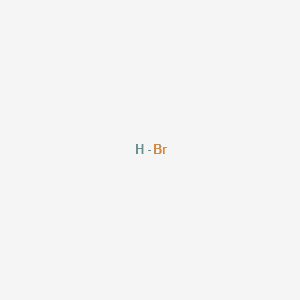

Hydrogen Bromide (HBr) is a strong, corrosive inorganic acid gas used in chemical synthesis, pharmaceutical intermediates, and industrial bromination processes. Supplied as a gas or aqueous solution (hydrobromic acid), it is preferably used in organic and inorganic chemical manufacturing (bromides of zinc, calcium, and sodium), laboratory research, and bromide salt production. Supplied Technical-grade gas, aqueous solution ≥99% anhydrous, hydrobromic acid ≥48%, hydrobromic Acid 33% acetic acid by hydrobromic acid manufacturers. Acido bromidrico also a useful reagent for generating organobromine compound. Also referred to as hydrobromic acid gas & bromane by hydrogen bromide suppliers, it is supplied in technical-grade cylinders or aqueous solutions for industrial applications. We are the trusted hydrogen bromide manufacturer & supplier worldwide with reliable lead times and global supply capability.

Hydrogen Bromide (HBr) is a strong, corrosive inorganic acid gas used in chemical synthesis, pharmaceutical intermediates, and industrial bromination processes. Supplied as a gas or aqueous solution (hydrobromic acid), it is preferably used in organic and inorganic chemical manufacturing (bromides of zinc, calcium, and sodium), laboratory research, and bromide salt production. Supplied Technical-grade gas, aqueous solution ≥99% anhydrous, hydrobromic acid ≥48%, hydrobromic Acid 33% acetic acid by hydrobromic acid manufacturers. Acido bromidrico also a useful reagent for generating organobromine compound. Also referred to as hydrobromic acid gas & bromane by hydrogen bromide suppliers, it is supplied in technical-grade cylinders or aqueous solutions for industrial applications. We are the trusted hydrogen bromide manufacturer & supplier worldwide with reliable lead times and global supply capability.
Industrial Chemicals
Inorganic Chemicals
Hydrogen Halides & Bromides

Chemical Properties & Specifications
H314: Skin corrosion/irritation
H335: Specific target organ toxicity, single exposure; Respiratory tract irritation
P260, P261, P264, P271, P280, P301+P330+P331, P302+P361+P354, P304+P340, P305+P354+P338, P316, P319, P321, P363, P403+P233, P405, and P501
Press. Gas (Liq.) (32.9%)
Skin Corr. 1A (99.8%)
Eye Dam. 1 (40%)
Acute Tox. 3 (17.8%)
STOT SE 3 (99.3%)
UN Number (Anhydrous Gas): 1048
UN Number (Solution): 1788 (Aqueous solutions-hydrobromic acid)
Preferred in bromination reactions, production of bromides, & pharmaceutical intermediates
Source of bromide ions for specialty chemical manufacturing
High choice in catalyst preparation, laboratory synthesis & polymer bromination
Highly reactive, enabling efficient bromination and halide introduction in chemical reactions
Supplied in cylinders or aqueous solution for industrial chemical manufacturers and R&D labs
Store hydrobromic acid containers upright in a designated, clearly labeled storage area such as a chemical storage cabinet
Use secondary containment (e.g., Nalgene or polypropylene tub) for all stored containers
Ensure hydrobromic acid solutions are always stored below eye level
Keep the storage area secured, cool, and well-ventilated, and away from direct sunlight, heat, sparks, flame, or any ignition sources
Store hydrobromic acid in a designated, labeled, secure area that is separate from other chemical types
Avoid incompatible chemicals-including oxidizing agents, strong bases, ammonia, ozone, fluorine, copper, brass, and zinc (Refer SDS)
If storage space is limited, use secondary containment such as Nalgene or polypropylene tubs
Keep hydrobromic acid in the tightly closed original container until use, and immediately close containers after use
Ensure all containers remain in good condition and are compatible with the material
Transport hydrobromic acid between locations using secondary containment, such as polyethylene or other non-reactive, non-breakable bottle carriers
Purchase and store only the smallest quantities and lowest concentrations needed for experimentation and that can be safely stored in the laboratory