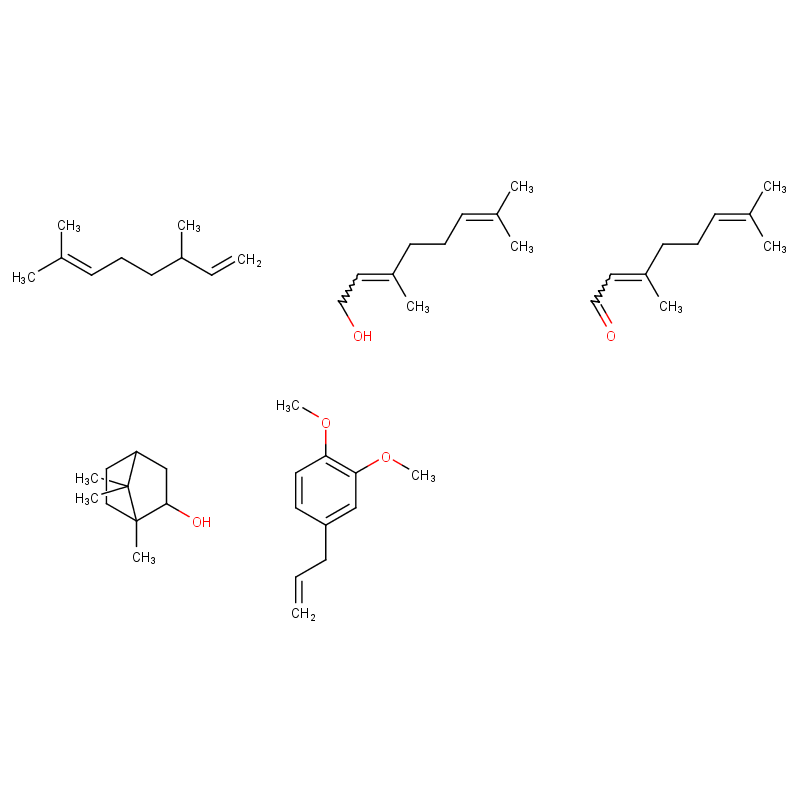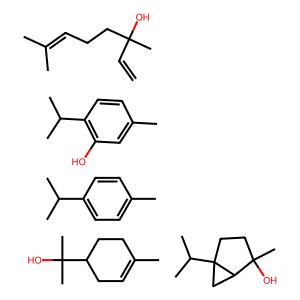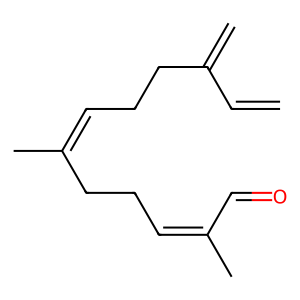
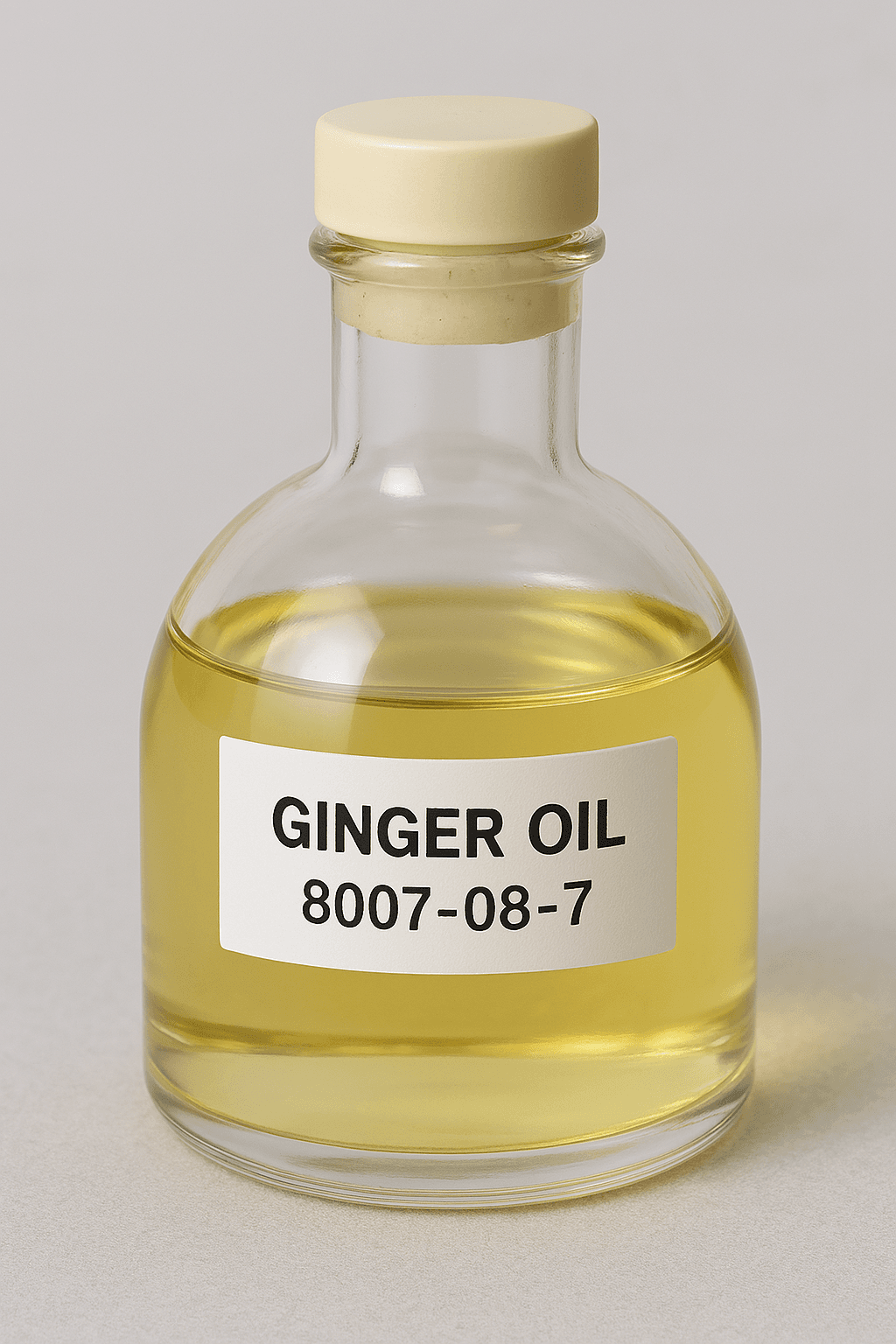

Ginger oil is a natural essential oil extracted from the rhizomes of the ginger plant (Zingiber officinale) through steam distillation. It possesses a warm, spicy, and slightly sweet aroma with woody undertones, making it a valuable ingredient in both culinary and fragrance applications. Ginger oil is widely used in the flavor and fragrance industries for creating unique and refreshing profiles in perfumes, cosmetics, and food products. For a technical clarity, referred to as (Essential oils, ginger) by world wide ginger oil suppliers and manufacturers.


Ginger oil is a natural essential oil extracted from the rhizomes of the ginger plant (Zingiber officinale) through steam distillation. It possesses a warm, spicy, and slightly sweet aroma with woody undertones, making it a valuable ingredient in both culinary and fragrance applications. Ginger oil is widely used in the flavor and fragrance industries for creating unique and refreshing profiles in perfumes, cosmetics, and food products. For a technical clarity, referred to as (Essential oils, ginger) by world wide ginger oil suppliers and manufacturers.
Flavors & Fragrances
Fragrance Ingredients
Essential Oils
.7767eb0f.png)

Chemical Properties & Specifications
It is recommended to use ginger oil in accordance with established guidelines provided by regulatory authorities and industry standards to ensure safe and appropriate application.
H302 (Harmful if swallowed): This is a general warning for essential oils, which are potent and can cause adverse effects if ingested in large amounts. H315 (Causes skin irritation): Ginger oil can cause skin irritation in some individuals, especially if used undiluted. Proper dilution is important when using ginger oil in topical applications. H319 (Causes serious eye irritation): As with many essential oils, ginger oil can irritate the eyes, so it's important to avoid contact with the eyes.
Ginger oil is utilized in perfumery to add a fresh, spicy note that enhances and elevates other fragrance components.
It serves as a flavoring agent in various food and beverage products, imparting a distinctive spicy-sweet flavor.
Known for its potential therapeutic properties, ginger oil is used in aromatherapy to alleviate nausea, reduce inflammation, and provide pain relief.
Store in a cool, dry place, away from direct sunlight and heat sources. Ensure containers are tightly sealed to prevent contamination and maintain quality.
Available in various sizes, typically ranging from small bottles (10 ml) for consumer use to bulk containers (up to 25 kg) for industrial applications.
Ginger oil is used in the fragrance industry to add a spicy note to perfumes, in the flavor industry to enhance food and beverages, and in aromatherapy for its potential health benefits.
Yes, ginger oil is generally recognized as safe for consumption in food and beverage products when used appropriately.
Ginger oil should be diluted with a carrier oil before topical application to avoid skin irritation. Conduct a patch test prior to widespread use.
Ginger oil is produced in countries where ginger is cultivated, including India, China, and Southeast Asian nations.
Ginger oil is available worldwide through various suppliers and distributors, with significant markets in North America, Europe, and Asia.