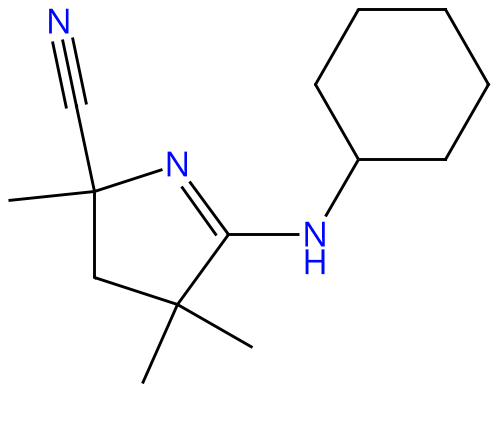

Sulfamic acid

Sulfamic acid

CAS Number
5329-14-6
Molecular Formula
H3NO3S
Corrosion InhibitorpH AdjusterDescaling AgentREACH, EPA RegulatedISO Plant productAcid SubstituteThermal Stability upto 205°C

About Sulfamic acid

Sulfamic acid, also known as Amidosulfonic acid, with the chemical formula (H₃NSO₃), is a white crystalline solid known for its strong cleaning, descaling, and chemical reactivity properties. It is odorless and soluble in water. The molar mass of sulfamic acid at 97.09 g/mol makes it particularly efficient for industri...

Synonyms

  • amidosulfonic acid
  • aminosulfonic acid
  • Ammate
  • ammonium sulfamate
  • sulfamate

Sulfamic acid Specifications

CAS Number
5329-14-6
Molecular Formula
H3NO3S
IUPAC Name
sulfamic acid
Canonical SMILES
NS(=O)(=O)O
InChI Key
IIACRCGMVDHOTQ-UHFFFAOYSA-N
InChI
1S/H3NO3S/c1-5(2,3)4/h(H3,1,2,3,4)
EINECS Number
226-218-8
MDL Number
MFCD00011647
UNSPSC Code
12161800
eClass
39021701
NACRES
NA.22
SO₄ ≤ %
0.05
Insoluble in water %
0.008
Fe PPM
0.67
Appearance
Colorless crystals
Sulfamic acid ≥ %
99.55
Pb ≤ %
<10
Shelf Life
2 years
GHS Classification
Skin corrosion/irritation: Category 2 Serious eye damage/eye irritation: Category 1 Hazardous to the aquatic environment (Chronic): Category 3
Hazard Statements
H315: Causes skin irritation. H318: Causes serious eye damage. H412: Harmful to aquatic life with long-lasting effects.
Precautionary Statements
P264: Wash hands thoroughly after handling. P280: Wear protective gloves, clothing, and eye protection. P305+P351+P338: IF IN EYES: Rinse cautiously with water for several minutes. Remove contact lenses if present. P273: Avoid release to the environment.

Water Treatment and Industrial Descaling

Water treatment plants use sulfamic acid procured from reputed sulfamic acid suppliers to formulate acid-based descalers for boilers, heat exchangers, and pipelines. It effectively removes limescale, rust, and hard water deposits.

Pulp & Paper Processing

Sulfamic acid is applied as a bleaching agent and pH stabilizer in the pulp and paper industry. It prevents over-acidification, enhances whiteness, and improves chemical efficiency

Pharmaceutical and Agrochemical Synthesis

Sulfamic acid plays a vital role in chemical synthesis. It acts as a sulfonating agent in organic reactions and is involved in producing intermediates for herbicides, sweeteners, and API molecules.

Metal Surface Cleaning and Electroplating

In the metal finishing and automotive sectors, sulfamic acid is widely used for pre-cleaning of metals before plating and rust removal from stainless steel, copper, and aluminum.

Electronics and Semiconductor manufacturing

The high-purity grades produced by specialized sulfamic acid manufacturers serve critical roles in circuit board etching processes and semiconductor wafer cleaning.

Temperature

Store at room temperature (15–30°C or 59–86°F)

Environment

Keep in a dry, well-ventilated area away from moisture

Protection

Store in tightly sealed containers to prevent absorption of moisture

Packaging Options

Available in 1 kg, 5 kg, 10 kg, and 25 kg bags

  1. amidosulfonic acid
  2. aminosulfonic acid
  3. Ammate
  4. ammonium sulfamate
  5. sulfamate

Sulfamic acid FAQs

Minimum Order Quantity

25 kg (evaluation) · 1 MT (commercial)

Lead Time

3 – 5 weeks estimated

Delivery Terms

FOB*

Packaging

20 L pails, 200 L HDPE drums, 1000 L IBC

US Availability

US Facility Inventory

Documentation

US SDS · COA · TDS · Specification sheet

US Regulatory & Quality Information

TSCA status*

US SDS / HazCom*

GHS classification*

ISO 9001:2015 site*

DOT shipping classification*

FDA status*

EPA status*

California Prop 65*

Reliable US supply chain

Regulatory compliance

On-time delivery

Technical expert support

Rounded Top

Explore Industrial Chemicals Portfolio

Rosin Modified Phenolic resins

CAS No 68082-96-2

Rosin Modified Phenolic resins

Category

Industrial Polymers

Sub-Category

Rosin-Based Resins & Binders

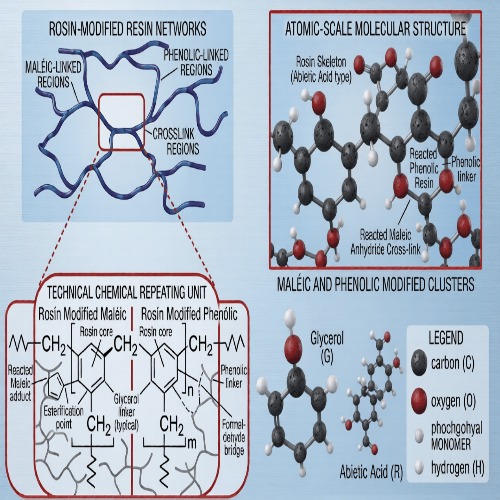
Description : Our Rosin Modified Phenolic Resins are high-performance complex polymers engineered through the condensation of gum rosin with phenol and formaldehyde, followed by esterification with polyhydric alcohols for high-performance printing inks and industrial coatings, offering superior lustre and rapid hardness development. Dropol series is architected to provide the technical precision required for high-concentration pigment dispersions and demanding coating environments. Characterised by high melting points and sophisticated solubility profiles ranging from high tolerance in Mineral Turpentine Oil (MTO) to total solubility in aromatic hydrocarbons, and these resins offer superior film-forming properties. Chemical incorporation of phenolic structures into the rosin backbone particularly raises the resin's molecular weight and glass transition temperature (Tg), resulting in faster "set" times and increased film hardness compared to standard rosin esters. Total Cost of Quality is minimised by reducing pigment grinding cycles, enhancing colour development, and ensuring the long-term integrity of the polymer matrix against environmental degradation. We are established Rosin Modified Phenolic &amp; Maleic supplier for grade-specific resins, ensuring consistent melting points and viscosity profiles across the Dropol series. We provide a comprehensive range of synthetic resins with full technical documentation (Acid Value/Melting Point/Solubility) and supporting quality assurance (Phenolic and Maleic resin COA/TDS/SDS). We ensure reliable lead times from R&amp;D sampling to 10MT+ commercial supply, enabling partners to lead in high-efficiency ink and coating manufacturing.
View Product
Rosin Modified Maleic Resins

CAS No 94581-16-5

Rosin Modified Maleic Resins

Category

Industrial Polymers

Sub-Category

Rosin-Based Resins & Binders

Description : Our Rosin Modified Maleic Resins are high-melting thermoplastic resins engineered through the precise esterification of gum rosin with maleic anhydride and polyhydric alcohols. These resins serve as high-performance binders and film-formers across a variety of solvent-based ink and coating systems. Dromal Rosin Modified Maleic Resins series is meticulously developed to meet the technical benchmarks of the ink and coating industry, characterised by superior solubility profiles right from total solubility in alcohols (IMS) to high compatibility with hydrocarbon solvents (MTO/Toluene). Chemical structure of Rosin Modified Maleic Resin, formed by the Diels-Alder reaction of maleic anhydride with rosin acids, provides a significantly higher melting point and harder film compared to natural rosins. This technical modification facilitates rapid solvent evaporation and fast tack-free times, critical for high-throughput manufacturing environments. The low acid-value grades are specifically designed for use in moisture-sensitive systems, while high acid-value variants offer the necessary functionality for water-reducible and high-polar solvent formulations, ensuring Total Cost of Quality is minimised through optimised pigment loading, reduced solvent consumption, and consistent film performance. We are the leading Rosin Modified Maleic Resins series suppliers, ensuring consistent melting points and viscosity profiles across the Dromal series. We provide a comprehensive range of synthetic resins with full technical (Acid Value/Melting Point/Solubility) and supporting quality assurance documentation (COA/TDS/SDS). Our products are optimised for high-performance printing inks and industrial lacquers, offering superior gloss and adhesion. We ensure reliable lead times upto 10MT+ commercial supply, enabling partners to lead the market in high-efficiency coating manufacturing.

View Product
Phenol Formaldehyde Resins (Can Coatings)

CAS No 68002-19-7

Category

Industrial Polymers

Sub-Category

Metal Packaging & Can Coatings

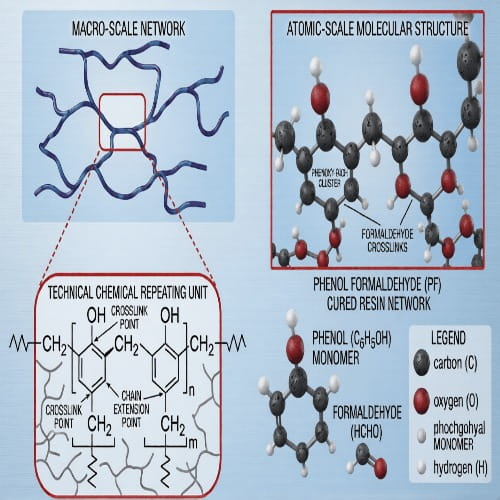
Description : Our Phenol Formaldehyde Resins are high-performance thermosetting polymers specifically engineered for the high-precision requirements of the metal packaging and industrial coating sectors. These butylated and epoxy-phenolic resins provide the critical chemical inertness and mechanical adhesion necessary to protect the integrity of contents in aggressive storage environments. Dropol portfolio Phenol Formaldehyde Resin is defined by its superior cross-linking density and chemical stability. By utilising butylated resole technology, these resins exhibit excellent compatibility with epoxy resins and polyvinyl butyral, allowing formulators to engineer coatings with a precise balance of flexibility and chemical resistance. Characterised by their ability to withstand the extreme thermal stress of sterilisation cycles while maintaining a non-tainting, non-toxic barrier between the metal substrate and the contents. Whether you are formulating a gold lacquer for food cans using Dropol 9012 or a high-solids insulating varnish with Dropol 9009, our series provides the reactive consistency required for automated coating lines. This technical edge minimises the "Total Cost of Quality" by preventing corrosion-related packaging failure and ensuring long-term shelf stability for consumer goods. We are one of the trusted Butylated Phenolic Resins supplier, ensuring consistent solids and viscosity ranges across the Dropol series. We provide a comprehensive range of binders with full technical documentation (Type/Solids/Solvent Compatibility) and supporting quality assurance (Phenol Formaldehyde Resins COA/SDS). Our products include FDA-approved grades and ready-to-use pre-condensates for the global packaging industry. We ensure reliable lead times from pilot evaluation to commercial-scale supply, enabling partners to satisfy the stringent requirements of the global food and industrial coating sectors.

View Product
Hard Ketone Aldehyde Resins (Pigment paste)

CAS No 25054-06-2

Category

Industrial Polymers

Sub-Category

Specialty Pigment Binders & Synthetic Resins

Description : Our Hard Ketone Aldehyde Resins are condensation polymers specifically developed for the ink, coating, and pigment processing industries. These neutral, non-saponifiable synthetic resins function as versatile grind vehicles and additive binders, enhancing the performance of complex chemical formulations. The Drotone portfolio Hard Ketone Aldehyde Resins are engineered to meet the stringent demands of high-concentration pigment dispersions and technical inks. These resins are characterised by their broad solubility in various organic solvents ranging from simple alcohols to complex hydrocarbon blends and their excellent compatibility with a wide array of binder systems, including Alkyds, Nitrocellulose, and Epoxy resins. By selecting grades with specific melting points and hydroxyl values, aldehyde resin manufacturers can precisely control the final film's hardness and chemical reactivity. We are one of the leading high-purity Ketone Aldehyde Resins suppliers with global footprint, ensuring consistent hydroxyl and acid values across the Drotone series. We provide a comprehensive range of synthetic resins with full technical (Melting Point/OH Value/Viscosity) and supporting quality assurance documentation (COA/TDS/SDS). Our products are optimised for universal colourants and speciality ink systems, offering superior solubility and adhesion. We ensure reliable lead times upto 10MT+ commercial supply, enabling partners to optimise their pigment processing and ink manufacturing workflows.

View Product