
Polysorbate 80

Polysorbate 80

CAS Number
9005-65-6
Molecular Formula
(C64H124O26)n-multiple grades
Purity
101.2
E-Number E-433Fatty Acid: Oleic AcidHLB Value: 15.0Nonionic SurfactantsUSP, EP, Food grades

About Polysorbate 80

Polysorbate 80, also known as Tween 80, is a nonionic surfactant and emulsifier widely used in industrial applications to blend oil and water-based ingredients. It acts as a useful solubilizer and emulsifier. Polysorbate 80 is commonly used in pharmaceuticals, cosmetics, and food products. As a leading Polysorbate 80 ...

Polysorbate 80 Specifications

CAS Number
9005-65-6
Molecular Formula
(C64H124O26)n-multiple grades
IUPAC NameORBotanical Name
Sorbitan, mono-(9Z)-9-octadecenoate, poly(oxy-1,2-ethanediyl) derivs. (9CI, ACI)
InChI Key
RGPBUVUVZKQNHD-MDZDMXLPSA-N
EINECS Number
34-18-05-90
FEMA Number
2917
MDL Number
MFCD00152531
UNSPSC Code
12161700
HSN No
34024200
Appearance
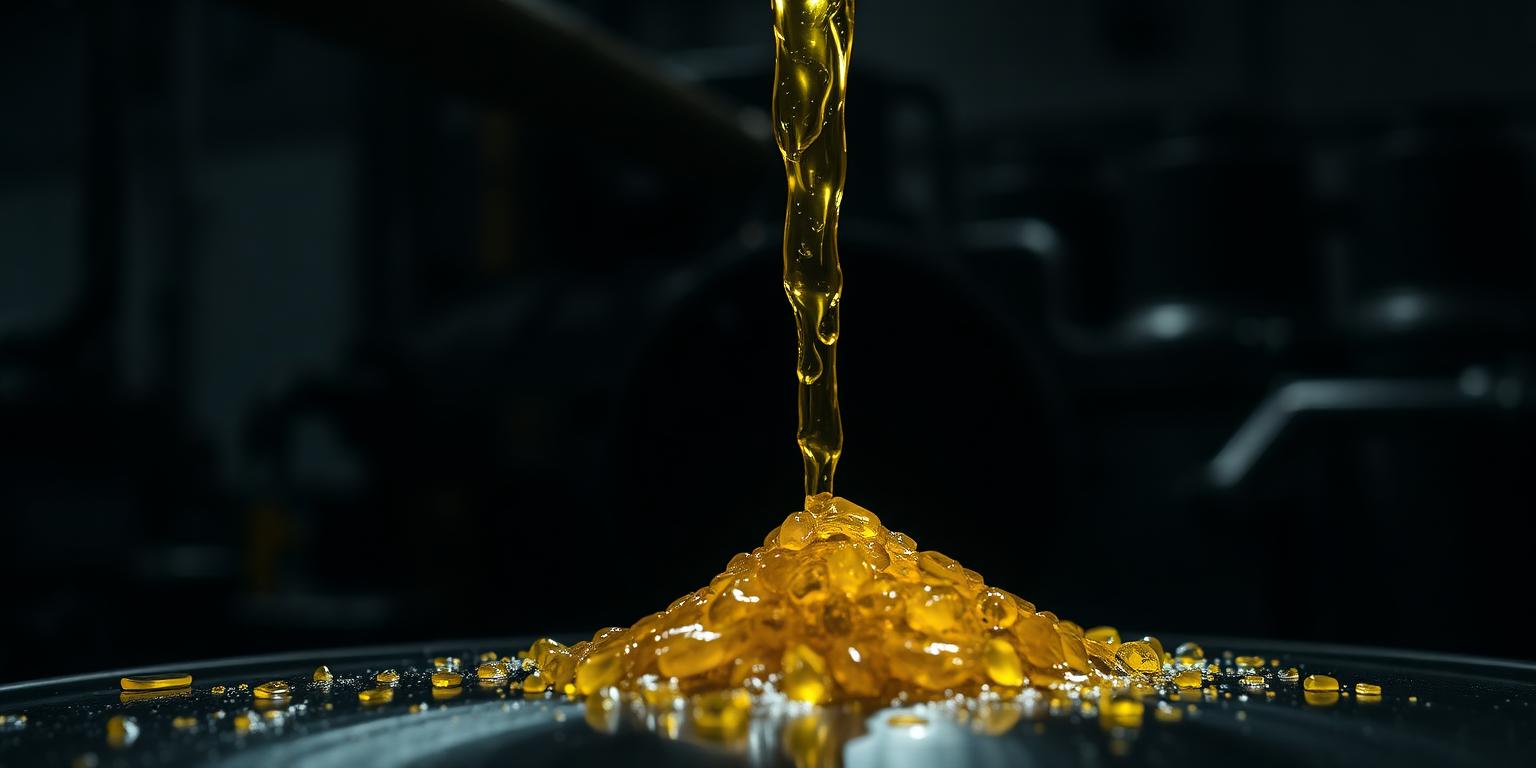
Yellow to Amber Oily Liquid
Colour in Gardner
3.7
PH 5% solution
6.58
Moisture %
1.86
Saponification Value
47
Hydroxly Value
75
Assay/ Polysorbate 80 purity
101.2

Food & Beverage Industry

Polysorbate 80 is a key food-grade emulsifier that enhances consistency and extends the shelf life of processed foods. In the U.S. food sector, it is widely used in ice creams, whipped toppings, bakery mixes, sauces, and dressings, where it helps maintain a smooth texture and prevents ingredient separation.

Cosmetics and personal care

Polysorbate is used as a surfactant and emulsifier to blend oil and water components, enabling smooth, uniform lotions and creams. It enhances product stability and texture.

Pharmaceuticals

In U.S. pharmaceutical formulations, Polysorbate 80 is used as a solubiliser, stabiliser, and dispersing agent for injectable drugs, vaccines, and oral liquids. It improves ingredient dispersion and protects biologics from aggregation.

Industrial and chemical formulations

In industrial processes, Polysorbate 80 plays a role as a wetting agent, dispersant, and emulsifier in coatings, paints, lubricants, agricultural sprays, and other chemical blends aimed at U.S. manufacturing applications

Research and Biotechnology Applications

For laboratories and biotech firms in the U.S., Polysorbate 80 is used to solubilize APIs, stabilise proteins, and act as a surfactant in cell culture, reagent preparation, and diagnostic formulations.

Metabolism

Polysorbates undergo degradation by auto-oxidation, producing reactive peroxides, in addition to hydrolysis. Exposure to light of polysorbate 80 aqueous solution leads autoxidation of the alkyl polyoxyethylene chain leading to the production of hydroperoxide derivatives. The peroxides cause oxidative damage to the protein molecule that makes up the formulation. The residual peroxides and the rate of peroxide generation as a result of light exposure are found to vary for polysorbate 80 of different grades/from different sources.

Temperature

Store at room temperature (15–30°C or 59–86°F)

Packaging Options

25 kg drums, 200 kg barrels, customized packaging for pharma & food applications

Polysorbate 80 FAQs

Minimum Order Quantity

25 kg (evaluation) · 1 MT (commercial)

Lead Time

3 – 5 weeks estimated

Delivery Terms

FOB*

Packaging

20 L pails, 200 L HDPE drums, 1000 L IBC

US Availability

US Facility Inventory

Documentation

US SDS · COA · TDS · Specification sheet

US Regulatory & Quality Information

TSCA status*

US SDS / HazCom*

GHS classification*

ISO 9001:2015 site*

DOT shipping classification*

FDA status*

EPA status*

California Prop 65*

Reliable US supply chain

Regulatory compliance

On-time delivery

Technical expert support

Rounded Top

Explore Oleochemicals Portfolio

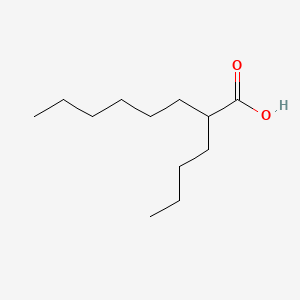
2-Butyloctanoic acid

CAS No 27610-92-0

2-Butyloctanoic acid

Category

Fatty Acids & Derivatives

Sub-Category

C12 fatty acid

Description : 2-Butyloctanoic Acid (CAS No: 32912-70-4) is undergoing a significant transition from a specialty laboratory compound to a vital, high-performance intermediate in the global personal care, industrial synthesis, and fine chemical markets, where its excellent oxidation resistance and fluid characteristics are leveraged across diverse high-tech applications. Serving as a fundamental branched-chain fatty acid in advanced formulations, 2-Butyloctanoic Acid is a cornerstone of the international cosmetics supply chain, utilized in the synthesis of high-purity cosmetic esters, mild surfactants, and premium dermatological bases. Beyond personal care, its robust chemical profile makes it highly valuable in cross-border automotive and aerospace metallurgy, functioning as a critical component in specialized synthetic lubricants, corrosion inhibitors, and metal finishing fluids. This versatility reflects a global sourcing shift toward validated, high-purity variants to guarantee predictable reaction yields and consistent material performance worldwide. As a globally established 2-Butyloctanoic Acid supplier, we ensure dependable supply, strict quality control, and complete technical dossiers, including 2-Butyloctanoic Acid CoA and TDS across all industrial and cosmetic grades. Beyond supply, we support our international partners through the entire product lifecycle from pilot-scale optimisation to full commercial manufacturing, ensuring robust quality assurance, global regulatory alignment, and secure cross-border supply chain and logistics coordination.

View Product
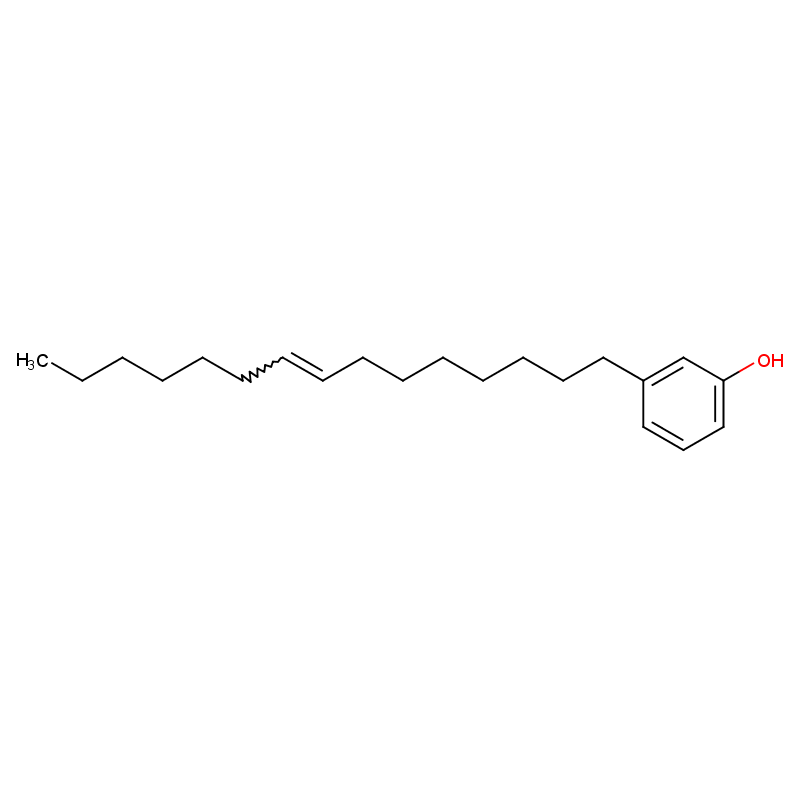
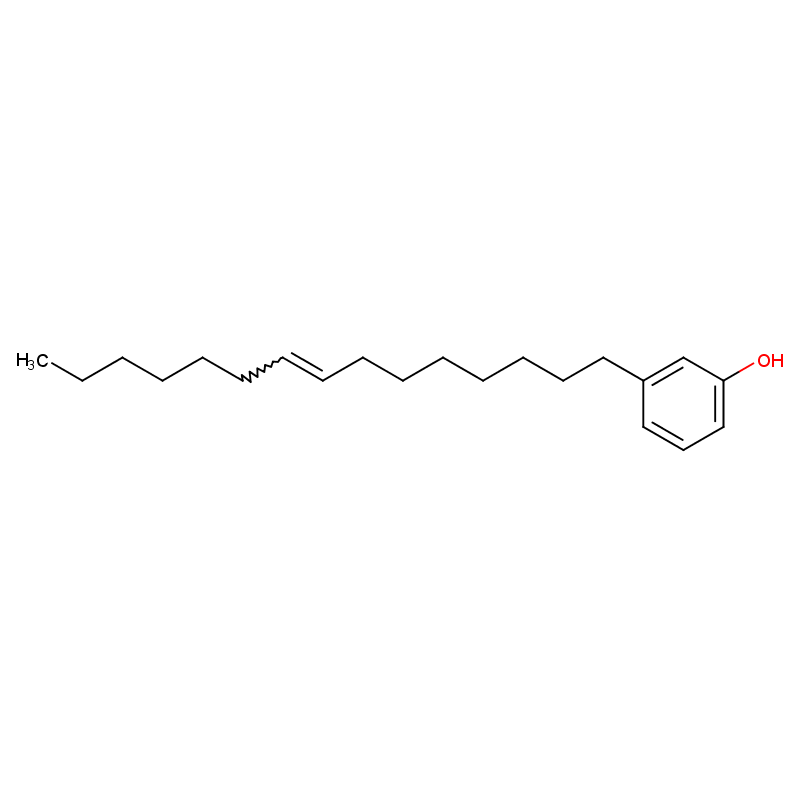
Cashew Nut Shell Oil

CAS No 8007-24-7

Cashew Nut Shell Oil

Category

Fatty Acids & Derivatives

Sub-Category

Natural Phenolics

Description : Cashew Nut Shell Oil (CAS No: 8007-24-7) is a valuable bio-based non-food natural alkylphenol liquid predominantly composed of anacardic acid, cardanol, and cardol, serving as an eco-friendly renewable raw material across the global speciality chemicals sector. In industrial applications, its distinctive long-chain aliphatic side chain imparts exceptional hydrophobicity, thermal stability, and flexibility, making it a critical constituent in high-performance automotive friction materials, brake linings, and heavy-duty industrial coatings. The global market landscape is witnessing rapid adoption of its refined derivative, cardanol, as a sustainable alternative to petroleum-derived alkylphenols in the synthesis of phenalkamine epoxy curing agents, bio-resins, and specialised surfactants utilized in marine and protective coatings. As globally established Cashew Nut Shell Oil supplier with high purity levels. We ensure dependable supply, consistent quality, and complete regulatory documentation, including Cashew Nut Shell Oil CoA and Cashew Nut Shell Oil TDS across all grades. Beyond supply, we support partners through the entire product sourcing framework from scouting, process development, pilot-to-commercial manufacturing. Our teams also assist with GMP-compliant quality assurance, regulatory documentation, and global supply chain and logistics coordination.

View Product