Search through


Chloroform is a clear, volatile, and dense liquid used extensively as a non-flammable solvent. It is a chlorinated hydrocarbon with excellent solvating power for organic molecules and polymers. Once used as an anesthetic, it is now primarily found in laboratory, pharmaceutical, and industrial applications such as DNA/RNA extraction, dye manufacturing, and chemical synthesis.
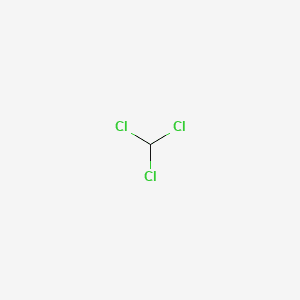
Chloroform is a clear, volatile, and dense liquid used extensively as a non-flammable solvent. It is a chlorinated hydrocarbon with excellent solvating power for organic molecules and polymers. Once used as an anesthetic, it is now primarily found in laboratory, pharmaceutical, and industrial applications such as DNA/RNA extraction, dye manufacturing, and chemical synthesis.

Chemical Properties & Specifications
Category 4: Acute oral toxicity Category 3: Acute Inhalation Toxicity - Vapors Category 2: Skin Corrosion/Irritation Category 2: Serious Eye Damage/Eye Irritation Carcinogenicity Category 2: Reproductive Toxicity Category 2: Specific target organ toxicity (single exposure) Target Organs - Central nervous system (CNS) Category 3: Specific target organ toxicity - (repeated exposure) Category 2: Target Organs - Liver, Kidney.
Used as a reaction medium in active pharmaceutical ingredient (API) synthesis.
Crucial component in phenol:chloroform extraction for isolating DNA/RNA.
Solvent for cellulose esters, fats, alkaloids, and rubber processing.
Used for intermediate purification and solvating colorant molecules.
*Available in bulk for formulation plants, R&D institutions, and chemical reactors *Suitable for both analytical and preparative chromatography processes *Common grades include stabilized (with ethanol) and unstabilized chloroform
15–30°C (59–86°F), away from light
Store in amber glass/HDPE drums with stabilizers
2.5 L, 5 L, 25 L, and 250 L barrels (with ethanol stabilizer if applicable)
2 drums high (palletized)
UN 1888 | Class 6.1 | PG III | Toxic liquid, organic, n.o.s.