Search through

CAS Number: 54-17-1
Molecular Formula: C6H12O6 (Glc) D-glucose

Category : Food Ingredients
Sub-Category : Fruit Products & Extracts
Description : Natural Tamarind Concentrate (Botanical Name: Tamarindus indica) is a vacuum-extracted, high solids ...
Category : Food Ingredients
Sub-Category : Fruit Products & Extracts
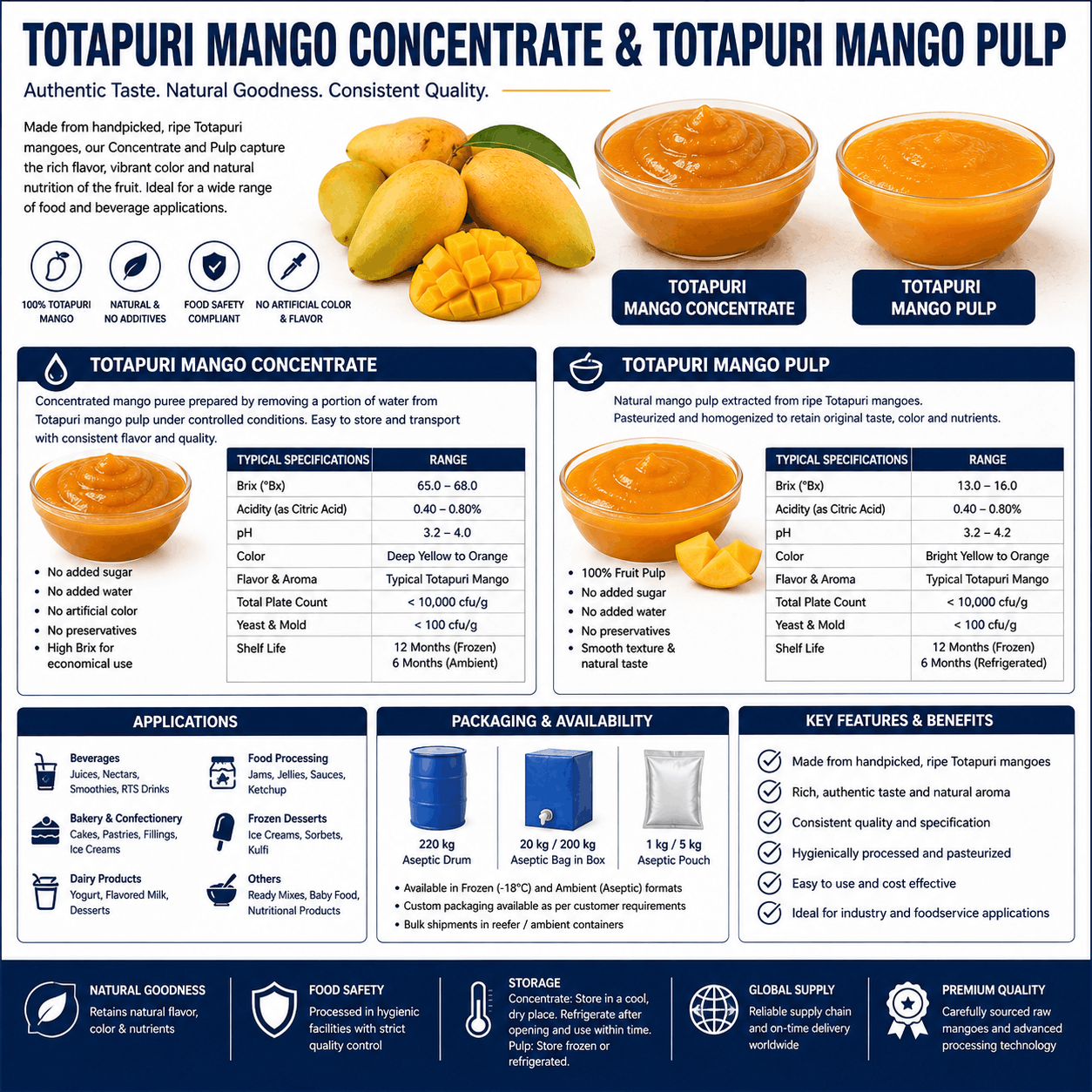
Description : Totapuri Mango Pulp (Aseptic Grade) is a superior quality mango pulp processed from ripe (Totapuri m...
Category : Food Ingredients
Sub-Category : Fruit Products & Extracts
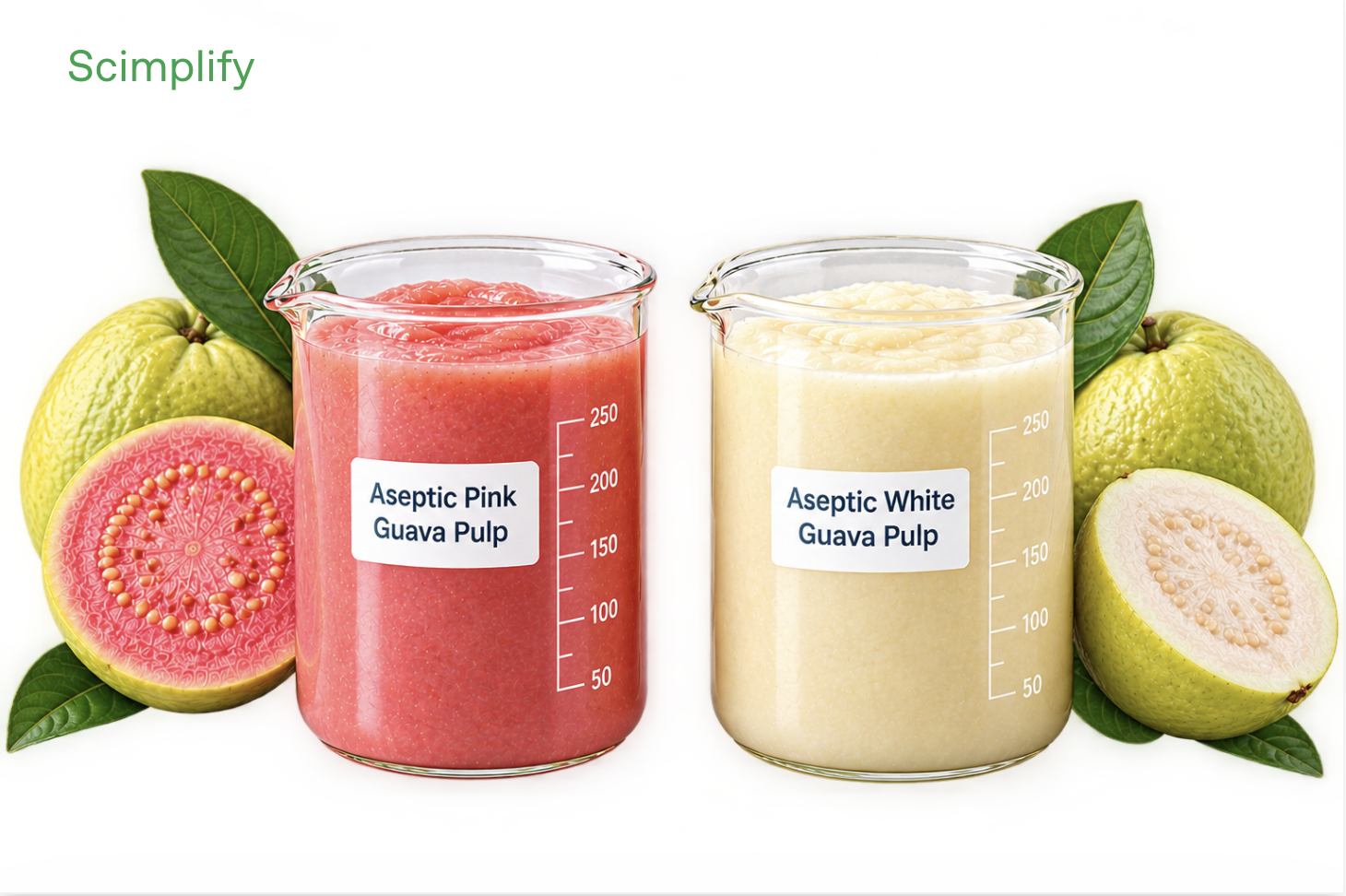
Description : Aseptic Pink Guava Pulp is a tropical fruit puree extracted from ripened pink guavas, processed unde...
Category : Nutraceutical Ingredients
Sub-Category : Antioxidants & Specialty Actives
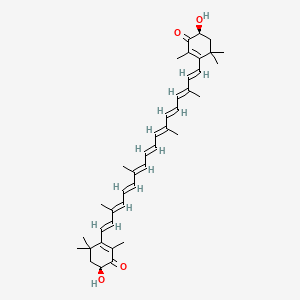
Description : Astaxanthin (Natural) is a high-value ketocarotenoid and a "super-antioxidant" with significantly hi...
Category : Nutraceutical Ingredients
Sub-Category : Herbal Extracts
Description : Gymnema sylvestre Extract (Commonly known as Gurmar or "Destroyer of Sugar") by Herbal Extracts manu...
Category : Nutraceutical Ingredients
Sub-Category : Alkaloids & Botanical Extracts
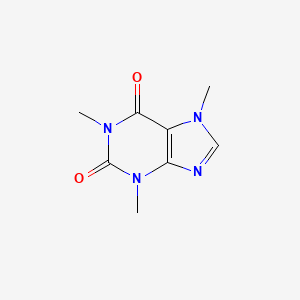
Description : Caffeine natural or Caffeine Anhydrous (CAS: 58-08-2) is a highly purified xanthine alkaloid recogni...
Category : Nutraceutical Ingredients
Sub-Category : Vitamins & Derivatives
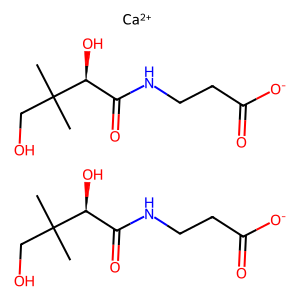
Description : D-Pantothenic acid hemicalcium salt (CAS 13404-22-3) is a fundamental constituent within the API int...