
Vinylene carbonate

Vinylene carbonate

CAS Number
872-36-6
Molecular Formula
C3H2O3
CorrosiveCorrosive
Acute ToxicAcute Toxic
IrritantIrritant
Health HazardHealth Hazard
Environmental HazardEnvironmental Hazard

About Vinylene carbonate

1,3-Dioxol-2-one (CAS 872-36-6) functions as a vital solid electrolyte interphase stabilizer specialized in extending the lifespan and cycle efficiency of advanced lithium-ion battery formulations. As North American automotive OEMs accelerate their electrification strategies, domestic battery manufacturing corridors ar...

Vinylene carbonate Specifications

CAS Number
872-36-6
Molecular Formula
C3H2O3
IUPAC NameORBotanical Name
1,3-dioxol-2-one
Canonical SMILES
C1=COC(=O)O1
InChI Key
VAYTZRYEBVHVLE-UHFFFAOYSA-N
InChI
InChI=1S/C3H2O3/c4-3-5-1-2-6-3/h1-2H
UNII Code
1X0ZZF9WFV
DSSTox Substance ID
DTXSID1074888
EINECS Number
212-825-5
MDL Number
MFCD00005380
HSN No
29209099
Molecular Weight
86.05 g/mol
XLogP3
0.3
Hydrogen Bond Acceptor Count
3
Exact Mass
86.000393922 Da
Monoisotopic Mass
86.000393922 Da
Melting Point (Experimental)
-153.7 °C
Boiling Point (Experimental)
-13.3 °C
Density (Experimental)
0.9106 g/cm³ Temp: 20 °C
GHS Hazard Statements
H302 (99.2%): Harmful if swallowed H311 (92.8%): Toxic in contact with skin H315 (98.9%): Causes skin irritation H317 (97.3%): May cause an allergic skin reaction H318 (97%): Causes serious eye damage H361 (14.4%): Suspected of damaging fertility or the unborn child H373 (92.8%): May causes damage to organs through prolonged or repeated exposure H411 (97%): Toxic to aquatic life with long lasting effects
Hazard Classes and Categories
Acute Tox. 4 (99.2%) Acute Tox. 3 (92.8%) Skin Irrit. 2 (98.9%) Skin Sens. 1 (97.3%) Eye Dam. 1 (97%) Repr. 2 (14.4%) STOT RE 2 (92.8%) Aquatic Chronic 2 (97%)

Lithium-Ion Battery Industry

An electrolyte additive used to enhance the performance, stability, and cycle life of batteries by forming a stable solid electrolyte interphase

Polymer Chemistry

A reactive monomer utilized for homopolymerization and copolymerization to produce technical products like polyvinylene carbonate, high-strength fibers, and films

Organic Synthesis

A versatile building block and chemical intermediate employed in the construction of complex structures for pharmaceuticals and fine chemicals

Pharmaceutical Industry

An intermediate used in the polymerisation process to obtain specialized protective coatings and capsule shells

Vinylene carbonate FAQs

Minimum Order Quantity

25 kg (evaluation) · 1 MT (commercial)

Lead Time

3 – 5 weeks estimated

Delivery Terms

FOB*

Packaging

20 L pails, 200 L HDPE drums, 1000 L IBC

US Availability

US Facility Inventory

Documentation

US SDS · COA · TDS · Specification sheet

US Regulatory & Quality Information

TSCA status*

US SDS / HazCom*

GHS classification*

ISO 9001:2015 site*

DOT shipping classification*

FDA status*

EPA status*

California Prop 65*

Reliable US supply chain

Regulatory compliance

On-time delivery

Technical expert support

Rounded Top

Explore Advanced Materials Portfolio

Epoxy Resins

CAS No 25068-38-6

Epoxy Resins

Category

Industrial Polymers, Semiconductors & Electronic Chemicals

Sub-Category

Reactive Epoxy Binders & Diluents, Substrates, CMP Slurries & Polymers

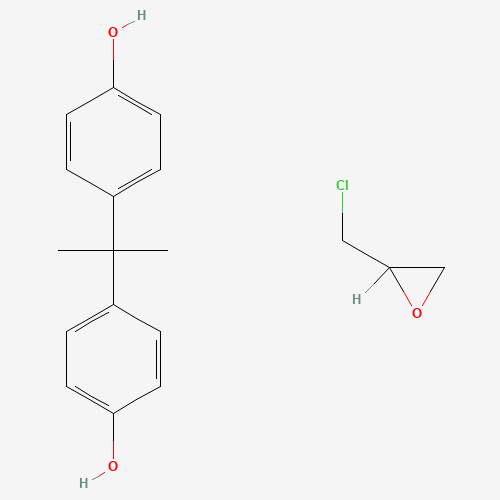
Description : Epoxy Resin portfolio encompasses a multirange of molecular weights and modifications, from low-viscosity liquid resins for rapid processing to high-molecular-weight solid resins for powder coatings. Liquid Epoxy Resins: modified with AGE (Aliphatic Glycidyl Ether) or PGE (Phenyl Glycidyl Ether), are designed for 100% solids systems where superior surface wetting and de-aeration are critical. For solvent-borne or anti-corrosive applications, our Solution Resins (modified with Cardanol or solvents like Xylene) provide optimised viscosity for spray application. Solid Epoxy Resins: Heat-cured systems, offering excellent mechanical toughness and impact resistance. We are an established Epoxy Resin supplier providing a comprehensive range of liquid, solid, and modified resin specifications, ensuring optimised EEW (Epoxy Equivalent Weight) and viscosity profiles for diverse industrial processing. We provide a broad range of high-performance binders with comprehensive technical (Viscosity/Color/Solid Content) and supporting quality assurance documentation (COA/TDS/SDS), detailed impurity mapping, and global regulatory support (REACH). We ensure reliable lead times from pilot-batch evaluation through to 10MT+ commercial-scale industrial supply, enabling partners to meet the rigorous demands of global infrastructure and manufacturing.

View Product
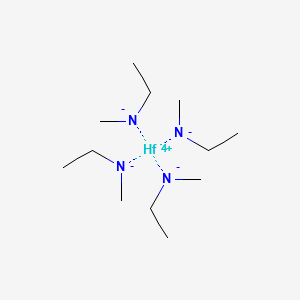
Tetrakis(ethylmethylamino)hafnium(IV) (TEMAH)

CAS No 352535-01-4

Category

Semiconductors & Electronic Chemicals

Sub-Category

Organometallic ALD/CVD Precursors

Description : Driven by the continuous scaling of semiconductor process nodes and the surging demand for artificial intelligence and high-performance computing hardware, Tetrakis(ethylmethylamino)hafnium(IV) (TEMAH) remains a pivotal high-k precursor within the global atomic layer deposition (ALD) market. The B2B sourcing landscape reflects a robust transition towards advanced node technologies, where TEMAH is extensively utilised for fabricating ultra-thin hafnium oxide (HfO2) dielectric films in next-generation logic and memory devices due to its superior thermal stability and self-limiting surface reactivity compared to traditional halides. Market dynamics are heavily influenced by stringent electronic-grade purity requirements, requiring trace metal impurities to be restricted to the parts-per-billion level to prevent leakage currents and ensure optimal capacitance in sub-5nm fabrications. As a globally established Tetrakis(ethylmethylamino)hafnium(IV) supplier with >=99.99% purity, we ensure dependable supply, consistent quality, and complete regulatory documentation, including Tetrakis(ethylmethylamino)hafnium(IV) CoA and Tetrakis(ethylmethylamino)hafnium(IV) TDS across all grades. Beyond supply, we support partners through the entire product sourcing framework from scouting, process development, and pilot-to-commercial manufacturing. Our teams also assist with quality assurance, regulatory documentation, and global supply chain and logistics coordination.

View Product
Potassium hydroxide

CAS No 1310-58-3

Potassium hydroxide

Category

Solar & Photovoltaic Chemicals

Sub-Category

Wet Processing Acids & Bases

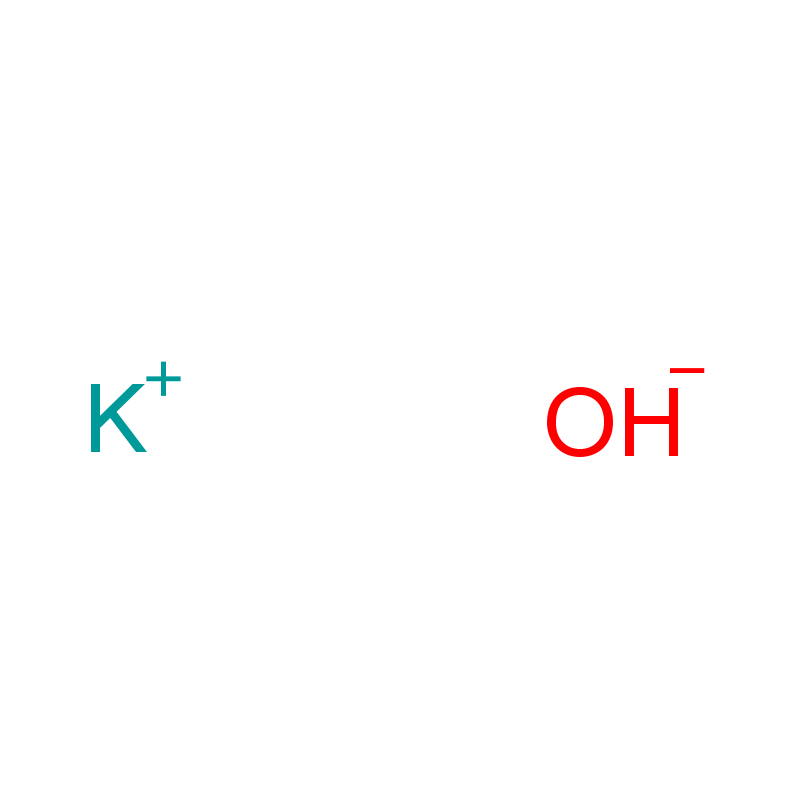
Description : Potassium hydroxide (CAS No: 1310-58-3) serves as a critical inorganic alkaline building block across the global speciality chemicals and advanced materials landscape, prized for its high solubility, strong basicity, and exceptional reaction kinetics. In high-tech applications, electronic-grade potassium hydroxide is indispensable for the surface etching and cleaning of silicon wafers within semiconductor fabrication, as well as in the formulation of high-purity electrolytes for next-generation alkaline energy storage systems. Furthermore, its robust chemical reactivity drives the commercial synthesis of advanced potassium salts, optical-grade glass polymers, and specialized agrochemical formulations. As a globally established Potassium hydroxide supplier with high purity levels, we ensure dependable supply, consistent quality, and complete regulatory documentation, including Potassium hydroxide CoA and Potassium hydroxide TDS across all grades. Beyond supply, we support partners through the entire product sourcing framework from scouting, process development, pilot-to-commercial manufacturing. Our teams also assist with GMP-compliant quality assurance, regulatory documentation, and global supply chain and logistics coordination.

View Product
Cobalt Sulphate

CAS No 10124-43-3

Cobalt Sulphate

Category

Battery & Energy Storage Materials

Sub-Category

Cathode Active Materials & Precursors

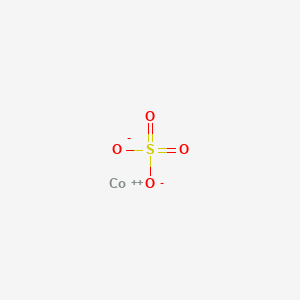
Description : Sulfuric acid, cobalt salt (CAS No: 10124-43-3) is experiencing a structural surge in demand within the metallurgy chemical industry, functioning as the primary feedstock for NCM and NCA cathode precursor synthesis as battery manufacturers pivot toward high-nickel chemistries to optimize energy density. Cobaltous sulfate has become a focal point of global sourcing shifts as refining capacity expands in non-DRC regions like Indonesia and Kazakhstan, where specialized chemical intermediates must meet stringent REACH regulatory compliance and ECHA safety standards for industrial handling. Cobalt(II) sulfate heptahydrate (CAS No: 10026-24-1) remains indispensable for high-performance electroplating and specialty catalyst applications, benefiting from CDMO growth sectors that require ultra-high purity materials with sub-10 ppm impurity levels to ensure consistent electrochemical performance across advanced industrial machinery and energy storage systems. As globally established Cobalt Sulphate supplier with Cobalt Sulphate with 99.9% high purity, we ensure dependable supply, consistent quality, and complete regulatory documentation, including CoA and TDS across all grades. Beyond supply, we support partners through the entire product lifecycle from route scouting, process and formulation development, and analytical method development to scale-up, process optimisation, and pilot-to-commercial manufacturing. Our teams also assist with GMP-compliant quality assurance, regulatory documentation, and global supply chain and logistics coordination.
View Product