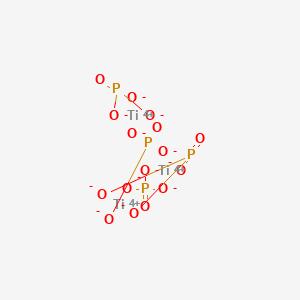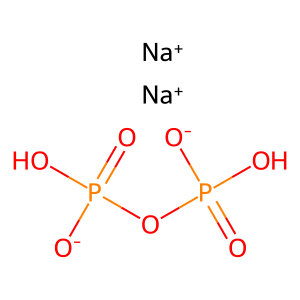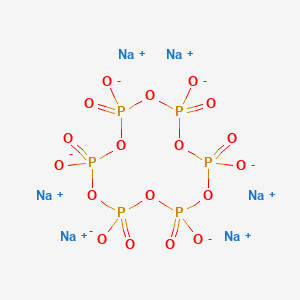

Sodium Tripolyphosphate (STPP) is undergoing a significant market transformation, with its global valuation projected to reach approximately USD 7.9 billion by 2036, driven by a compound annual growth rate of 4.2% to 12.7% depending on regional industrial acceleration. While the detergent industry remains the primary consumer, accounting for over 70% of application demand due to STPP's superior sequestration and buffering capabilities in hard water, the food-grade segment is rapidly expanding and currently represents nearly 39% of the product share. This growth is particularly pronounced in the Asia-Pacific and Latin American seafood and meat processing sectors, where the chemical's moisture retention and protein stabilisation properties are essential for maintaining export quality. Furthermore, industrial water treatment and ceramic manufacturing are emerging as critical high-growth verticals, as stakeholders prioritise STPP’s high-purity chelating and dispersing functions to mitigate scale and improve process efficiency in large-scale municipal and industrial systems. As globally established STPP supplier with technical and food-grade purity. We ensure dependable supply, consistent quality, and complete regulatory documentation, including STPP CoA and STPP TDS across all grades. Beyond supply, we support partners through the entire product lifecycle from route scouting, process and formulation development, and analytical method development to scale-up, process optimisation, and pilot-to-commercial manufacturing. Our teams also assist with GMP-compliant quality assurance, regulatory documentation, and global supply chain and logistics coordination.

Sodium Tripolyphosphate (STPP) is undergoing a significant market transformation, with its global valuation projected to reach approximately USD 7.9 billion by 2036, driven by a compound annual growth rate of 4.2% to 12.7% depending on regional industrial acceleration. While the detergent industry remains the primary consumer, accounting for over 70% of application demand due to STPP's superior sequestration and buffering capabilities in hard water, the food-grade segment is rapidly expanding and currently represents nearly 39% of the product share. This growth is particularly pronounced in the Asia-Pacific and Latin American seafood and meat processing sectors, where the chemical's moisture...

Chemical Properties & Specifications
P261, P264, P271, P280, P302+P352, P304+P340, P305+P351+P338, P312, P321, P332+P313, P337+P313, P362, P403+P233, P405, and P501
Skin Irrit. 2 (100%)
Eye Irrit. 2A (100%)
A primary component used in the formulation of laundry and automatic dishwashing detergents to sequester hardness ions, buffer pH, and emulsify soils for enhanced cleaning efficiency
A versatile preservative and quality improver employed in meat, poultry, and seafood processing to improve moisture retention, stabilize texture, and maintain natural color
An effective industrial sequestrant and water softener used to prevent mineral scale formation in boilers, cooling systems, and industrial sanitation processes
A specialized chemical agent used in ceramics manufacture, oil-well drilling muds, and textile processing to prevent particle aggregation and maintain stable suspensions.
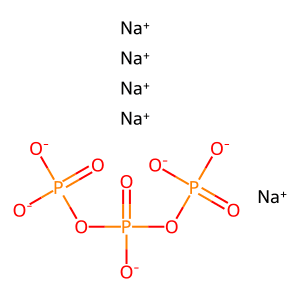
STPP (Sodium Tripolyphosphate) is an inorganic compound used primarily as a water softener, detergent builder, and food preservative to retain moisture and improve texture
This compound is widely used in the detergent, food and beverage, water treatment, ceramic, leather, and textile industries
It is highly soluble in water and compatible with aqueous cleaning formulations, food processing brines, and industrial tanning or glazing slurries
Standard specifications include CAS number 7758-29-4, high purity levels, and documentation such as COA, TDS, impurity reports, and regulatory compliance documents
Scimplify has capabilities for global distribution and custom synthesis through an integrated network of manufacturers and logistics partners with reliable lead time
The product is export ready with a standard MOQ starting from 100 kgs, with lead times for international customers depending on the shipping destination and specific grade.
Category : Industrial Polymers
Sub-Category : Rosin-Based Resins & Binders
Description : Our Rosin Modified Phenolic Resins are high-performance complex polymers engineered through the cond...
Category : Industrial Polymers
Sub-Category : Rosin-Based Resins & Binders
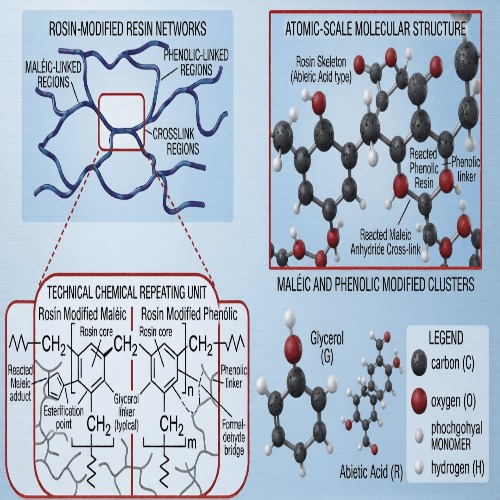
Description : Our Rosin Modified Maleic Resins are high-melting thermoplastic resins engineered through the precis...