Industrial production line

Global Chemical Infrastructure: Precision at Scale

Engineering high-performance solutions across 12 strategic verticals from high-purity Pharmaceutical APIs to advanced Critical Metals and Rare Earth Elements. Powered by a decentralized manufacturing network of 500+ plants and 6,000+ technical-grade products backed by comprehensive digital documentation. We prioritise transparency and speed-to-market for R&D and Procurement teams.

500+
Plants
40+
Chemistries
30+
Countries
3
R&D Labs
5
Global Offices

Explore Scimplify's Product Catalogue

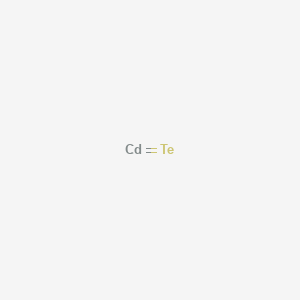
Cadmium telluride

CAS No 1306-25-8

Cadmium telluride

Category

Solar & Photovoltaic Chemicals

Sub-Category

Photovoltaic Absorber & Thin-Film Materials

Description : Cadmium Telluride (CAS No: 1306-25-8), positioned across international chemical indices as cadmium monotelluride, 5N photovoltaic grade CdTe, and II-VI compound semiconductor, is driving major advancements across the global solar energy, infrared optics, nuclear radiation detection, and space electronics sectors. Featuring a direct bandgap (~ 1.44 eV) that matches the terrestrial solar spectrum, Cadmium Telluride serves as the premier light-absorbing semiconductor material for commercial thin-film photovoltaic (PV) modules, high-efficiency solar farms, and space-grade power units. The global renewable energy and defence sensor markets are undergoing a multi-billion-dollar strategic sourcing expansion. Thin-film solar module fabricators, defence contractors, and radiation detector OEMs are moving away from variable-purity feedstocks toward strictly controlled 5N (99.999%) CaTe deposition powders, granules, and sputtering targets. Consistently verified chemical stoichiometry and sub-ppm metallic purity prevent recombination centres, maintain high open-circuit voltage (Voc), and maximise solar conversion efficiency during vapour transport deposition (VTD) and close-spaced sublimation (CSS). As a primary global Cadmium Telluride supplier, we deliver 5N high-purity lumps, powders, and sputtering targets complete with Glow Discharge Mass Spectrometry (GDMS) analytical verification, Cadmium Telluride CoA, and Cadmium TellurideTDS documentation across international trade channels.
View Product
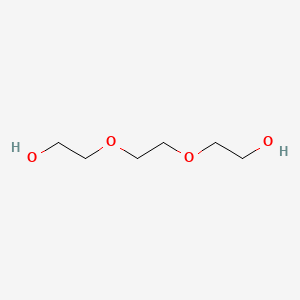
Triethylene Glycol

CAS No 112-27-6

Triethylene Glycol

Category

Solvents & Carriers

Sub-Category

Glycol Ethers

Description : We supply triethylene glycol (CAS No: 112-27-6) - recorded across international chemical indices as triglycol, 2,2'-(ethylenedioxy)diethanol, and high-purity industrial TEG - to drive major advancements across the global natural gas processing, petrochemical refining, specialised polymers, and HVAC engineering sectors. Featuring an exceptional hygroscopic affinity and high thermal stability, our Triethylene Glycol serves as the premier liquid desiccant material for commercial gas dehydration units, high-throughput pipelines, and air sanitation systems. As the global oil & gas infrastructure and chemical processing markets undergo a multi-billion-dollar strategic sourcing expansion, natural gas plant operators, petrochemical manufacturers, and industrial fluid OEMs are moving away from variable-purity feedstocks. They now demand our strictly controlled high-purity triethylene glycol deposition fluids, closed-loop solvents, and chemical intermediates. Our consistently verified chemical stoichiometry and sub-ppm impurity levels actively prevent equipment corrosion, maintain high gas-drying efficiency, and optimize glycol regeneration dynamics. Global energy operations partner with us as their preferred triethylene glycol supplier to maintain cross-border supply chain resilience amid tightening international environmental and emission mandates. As international manufacturing standards shift toward low-emission natural gas processing and closed-loop industrial drying systems, choosing us as your certified triethylene glycol supplier guarantees a material that prevents thermal degradation and minimises volatile organic compound (VOC) emissions during high-temperature stripping. Procurement teams can audit these precision specifications by examining our standard Triethylene Glycol COA and TDS documentation, which verifies strict compliance metrics, minimum purity levels, and maximum water content tolerances. Accessing our triethylene glycol COA and TDS sheets ensures global regulatory compliance and material traceability for utility-scale midstream infrastructure and advanced industrial formulations. Partner with us as your authorised triethylene glycol supplier to scale your high-throughput processing lines efficiently today.

View Product
Cadmium arsenide

CAS No 12006-15-4

Cadmium arsenide

Category

Semiconductors & Electronic Chemicals

Sub-Category

Compound Semiconductors (III-V, II-VI & II-V)

Description : Cadmium Arsenide Cd₃As₂ (CAS No: 12006-15-4), identified across technical chemical registers as tricadmium diarsenide, 5N topological grade Cd₃As₂, and an II-V compound semiconductor, is emerging as a critical functional material across the global quantum materials, ultra-high-speed electronics, topological spintronics, and mid-to-far infrared optoelectronics sectors. Classified as a 3D Dirac semimetal, Cadmium Arsenide exhibits ultra-high bulk electron mobility (~ 10° cm? /V • s at low temperatures), linear energy dispersion, and non-trivial topological electronic states. These properties make it a premier candidate for sub-terahertz transistors, quantum computing interconnects, broadband photodetectors, and magnetoelectronic sensors. The global advanced semiconductor and quantum research sectors are undergoing a multi-billion-dollar strategic sourcing transition. Device fabricators and research foundries are shifting away from lower-purity polycrystalline batches toward strictly controlled ultra-high-purity 5N (99.999%) Cd₃As₂ single-crystal and film synthesis feedstocks. This transition prevents carrier scattering, eliminates unwanted acceptor/donor doping defects, and preserves linear Dirac dispersion bands during molecular beam epitaxy (MBE) and chemical vapour transport (CVT) crystal growth. As an established global cadmium arsenide supplier, we deliver 5N high-purity polycrystalline lumps, custom crystals, and vapour transport feedstocks backed by lot-specific Glow Discharge Mass Spectrometry (GDMS) elemental purity verification, Cadmium Arsenide CoA, and Cadmium Arsenide TDS documentation across international supply routes.

View Product
Zinc arsenide

CAS No 12006-40-5

Zinc arsenide

Category

Semiconductors & Electronic Chemicals

Sub-Category

Compound Semiconductors (III-V, II-VI & II-V)

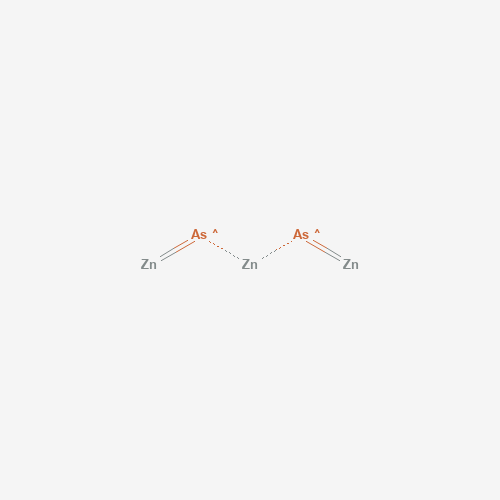
Description : Zinc Arsenide (CAS No: 12006-40-5), recorded across international chemical indices as trizinc diarsenide, 5N electronic grade Zn₃As₂, and an II-V compound semiconductor, is driving major advancements across the global optoelectronics, spintronics, infrared sensing, and semiconductor dopant precursor sectors. Characterised by a direct energy bandgap (~ 1.0 eV) and an inverted tetragonal crystal structure, zinc arsenide exhibits high electron mobility, strong anisotropic optical absorption, and non-linear optical coefficients. These physical traits position it as an essential precursor material for vapour-phase epitaxial growth, p-type doping source matrices in II-VI/III-V semiconductor heterostructures, short-wave infrared (SWIR) photodetectors, and non-destructive optical devices. As global semiconductor fabrication units transition toward ultra-low defect densities, sourcing requirements have shifted heavily toward 5N (99.999%) purity grades. Consistently verified chemical stoichiometry and sub-ppm metallic purity prevent deep-level carrier traps, maintain precise doping profiles, and eliminate phase separation during chemical vapour deposition (CVD) and physical vapour transport (PVT). As a primary global zinc arsenide supplier, we deliver 5N high-purity polycrystalline ingots, lumps, and deposition feedstocks complete with Glow Discharge Mass Spectrometry (GDMS) analytical verification, Zinc Arsenide CoA, and Zinc Arsenide TDS documentation across international trade channels.
View Product
Indium arsenide

CAS No 1303-11-3

Indium arsenide

Category

Semiconductors & Electronic Chemicals

Sub-Category

Compound Semiconductors (III-V, II-VI & II-V)

Description : Indium Arsenide (CAS No: 1303-11-3), identified across technical chemical registers as indium monoarsenide, 4N to 5N electronic grade InAs, and III-V compound semiconductor, is expanding rapidly across the global optoelectronics, quantum computing, infrared sensing, and high-frequency microelectronics sectors. Featuring a narrow direct bandgap (0.354 e V) and an exceptionally high electron mobility (~40,000 cm²/V·s at 300 K), indium arsenide serves as an essential functional material for short-wave and mid-wave infrared (SWIR/MWIR) photodetectors, interband cascade lasers (ICLs), high-electron-mobility transistors (HEMTs), and quantum dot heterostructures. The global advanced semiconductor industry is undergoing a multi-billion-dollar strategic sourcing transformation driven by sovereign chip manufacturing mandates, 6G high-frequency communications, and defence-grade thermal imaging expansion. Commercial foundries, quantum device developers, and optoelectronic fabricators are shifting away from variable-quality chemical lots toward strictly validated 4N (99.99%) to 5N (99.999%) InAs feedstocks. This transition guarantees low defect density, zero phase segregation, high thermal dissipation, and precise carrier concentration during molecular beam epitaxy (MBE) and metalorganic chemical vapour deposition (MOCVD). As an established global indium arsenide supplier, we deliver 4N to 5N high-purity polycrystalline ingots, wafers, and synthesis feedstocks backed by lot-specific Glow Discharge Mass Spectrometry (GDMS) elemental purity verification, Indium Arsenide CoA, and Indium Arsenide TDS documentation across international supply routes.

View Product
Gallium arsenide

CAS No 1303-00-0

Gallium arsenide

Category

Semiconductors & Electronic Chemicals

Sub-Category

Compound Semiconductors (III-V, II-VI & II-V)

Description : Gallium Arsenide (CAS No: 1303-00-0), identified across technical chemical registers as gallium monoarsenide, 5N electronic grade GaAs, and an III-V compound semiconductor, is undergoing a rapid commercial expansion across the global telecommunications, defence radar, optoelectronics, and space photovoltaics industries. Featuring a direct bandgap of 1.42 eV and an electron mobility nearly six times higher than silicon (~ 8500 cm/V • s), gallium arsenide serves as the foundational substrate for high-frequency monolithic microwave integrated circuits (MMICs), 5G/6G radio frequency (RF) power amplifiers, vertical-cavity surface-emitting lasers (VCSELs), and ultra-high-efficiency multi-junction solar cells. The global compound semiconductor market is undergoing a structural strategic transition driven by national semiconductor sovereignty mandates, 5G infrastructure rollouts, and satellite constellation expansions. Semiconductor foundries, optical component fabricators, and defence OEMs are moving away from secondary market scrap streams toward strictly controlled ultra-high-purity 5N (99.999%) single-crystal and polycrystalline GaAs feedstocks. This transition secures low dislocation density (EPD ≤ 500 cm-2), precise stoichiometry control, high thermal conductivity, and zero acceptor/donor drift during high-temperature metalorganic chemical vapour deposition (MOCVD) or molecular beam epitaxy (MBE). As an established global gallium arsenide supplier, we deliver 5N high-purity polycrystalline ingots, wafer substrates, and synthesis feedstocks backed by lot-specific Glow Discharge Mass Spectrometry (GDMS) elemental purity verification, Gallium Arsenide CoA, and Gallium Arsenide TDS documentation across international supply routes.

View Product
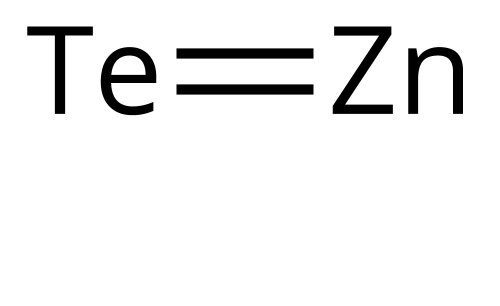
Zinc telluride

CAS No 1315-11-3

Zinc telluride

Category

Semiconductors & Electronic Chemicals

Sub-Category

Compound Semiconductors (III-V, II-VI & II-V)

Description : Zinc Telluride (CAS No: 1315-11-3), identified across technical chemical registers as zinc monotelluride, 4N to 5N optical grade ZnTe, and an II-VI compound semiconductor, is undergoing a major commercial expansion across global terahertz (THz) optics, optoelectronic display, electro-optic sensing, and thin-film photovoltaic production sectors. Featuring a direct bandgap of 2.26 eV at room temperature and a high electro-optic coefficient, zinc telluride serves as the premier semiconductor material for non-linear optical rectification, terahertz pulse generation, THz time-domain spectroscopy (THz-TDS), and green light-emitting diodes (LEDs). Global advanced materials market is experiencing a strategic sourcing transition as optics fabricators, sensor manufacturers, and optoelectronic OEMs move away from variable-purity chemical streams toward strictly controlled high-purity 4N (99.99%) to 5N (99.999%) ZnTe feedstocks - transitioning - guarantees efficient electro-optic phase matching, minimal free-carrier absorption, high crystal linearity, and zero lattice defects during crystal growth. As an established global zinc telluride supplier, we deliver 4N to 5N high-purity lumps, powders, single crystals, and optical deposition feedstocks backed by lot-specific Glow Discharge Mass Spectrometry (GDMS) elemental purity verification, Zinc Telluride CoA, and Zinc Telluride TDS documentation across international supply routes.

View Product
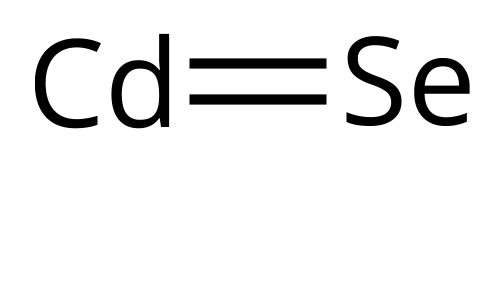
Cadmium Selenide

CAS No 1306-24-7

Cadmium Selenide

Category

Semiconductors & Electronic Chemicals

Sub-Category

Compound Semiconductors (III-V, II-VI & II-V)

Description : Cadmium Selenide (CAS No: 1306-24-7), identified across technical chemical registers as cadmium monoselenide, 5N optical grade CdSe, and an II-VI compound semiconductor, is undergoing a major commercial expansion across global quantum dot manufacturing, optoelectronic display, thin-film photovoltaics, and infrared sensor production sectors. Featuring a direct bandgap of 1.74 eV at room temperature, cadmium selenide serves as the core semiconductor material for quantum dot light-emitting diodes (QLEDs), narrow-band photodetectors, and high-efficiency solar absorber layers. The global advanced electronics market is undergoing a strategic sourcing shift as display manufacturers, sensor fabricators, and optoelectronic OEMs move away from variable-purity chemical streams toward strictly controlled ultra-high-purity 5N (99.999%) CdSe feedstocks. This transition guarantees uniform quantum confinement effects, narrow full-width at half-maximum (FWHM) emission spectra, high photoluminescence quantum yield (PLQY), and zero crystal lattice defects. As an established global cadmium selenide supplier, we deliver 5N high-purity lumps, powders, and optical deposition feedstocks backed by lot-specific Glow Discharge Mass Spectrometry (GDMS) elemental purity verification, Cadmium Selenide CoA, and Cadmium Selenide TDS documentation across international supply routes.

View Product
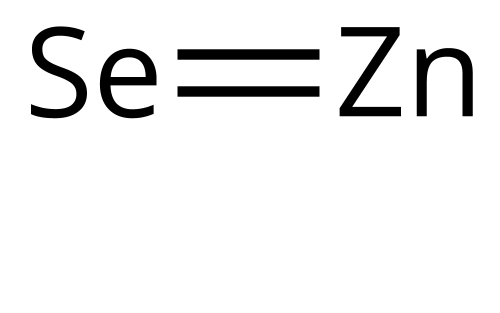
Zinc selenide

CAS No 1315-09-9

Zinc selenide

Category

Semiconductors & Electronic Chemicals

Sub-Category

Compound Semiconductors (III-V, II-VI & II-V)

Description : Zinc Selenide (ZnSe, CAS 1315-09-9), listed in technical trade registers as zinc monoselenide, optical-grade ZnSe, and an II-VI compound semiconductor crystal, is seeing major commercial expansion across the global photonics, high-power laser optics, thermal imaging, and semiconductor manufacturing sectors. With a wide direct bandgap of 2.7 eV and an exceptionally broad optical transmission window of 0.5 to 22 microns, zinc selenide serves as the premier bulk material for chemical vapor deposition (CVD) production of high-power CO2 laser windows, focusing lenses, beam expanders, and forward-looking infrared (FLIR) optical assemblies. The global photonics market is experiencing a strategic sourcing transition as optics fabricators, defense contractors, and laser system OEMs in South Korea, China, and Taiwan shift away from variable-purity chemical streams toward strictly controlled ultra-high-purity (4N8 to 5N) CVD-grade polycrystalline and single-crystal ZnSe feedstocks. This shift guarantees low bulk absorption coefficients below 0.0005 cm⁻¹ at 10.6 microns, high thermal shock resistance, and zero internal striations under high-intensity laser thermal loading. As an established global zinc selenide manufacturer and supplier, Scimplify delivers 4N8 to 5N high-purity lumps, optical blanks, and vapor deposition feedstocks, backed by lot-specific glow discharge mass spectrometry (GDMS) elemental purity verification. Every shipment includes a Certificate of Analysis (CoA), Technical Data Sheet (TDS), and GHS-compliant Safety Data Sheet across international supply routes, with region-specific regulatory documentation for customers in South Korea, China, Taiwan, and European markets.

View Product
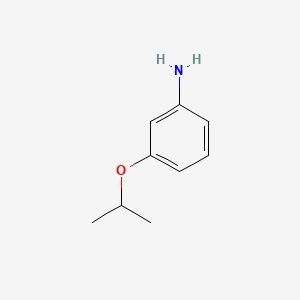
3-Isopropoxyaniline

CAS No 41406-00-2

3-Isopropoxyaniline

Category

Pharmaceutical Actives & Precursors

Sub-Category

Intermediates & Precursors

Description : 3-Isopropoxyaniline (CAS No: 41406-00-2), commercially referred to as 3-IPA or m-isopropoxyaniline, is undergoing a significant transition from a conventional speciality chemical to a vital, high-performance agrochemical and pharmaceutical intermediate across the global crop protection, life science, and speciality dye industries. Featuring a reactive primary aromatic amine coupled with an ether-linked isopropyl group, 3-isopropoxyaniline is a cornerstone of the international organic synthesis supply chain, driving the global manufacturing of major carbamate fungicides (such as Iprovalicarb), technical-grade insecticides, and targeted pharmaceutical building blocks. Beyond standard crop protection roles, its robust chemical profile makes it highly valuable in cross-border fine chemical synthesis, functioning as a critical building block for modern life-saving therapeutics, specialised colour developers, and high-performance industrial intermediates. This versatility reflects a global sourcing shift toward validated, high-purity liquid/solid variants to guarantee predictable reaction kinetics, low oxidative degradation, and consistent material performance worldwide. As a globally established 3-Isopropoxyaniline supplier, we ensure dependable bulk supply, strict quality control, and complete technical dossiers, including 3-Isopropoxyaniline CoA and 3-IPA (3-isopropoxyaniline) TDS across all industrial and technical grades. Beyond supply, we support our international partners through the entire product lifecycle from pilot-scale chemical optimisation to full commercial manufacturing, ensuring robust quality assurance, global regulatory alignment, and secure cross-border supply chain and logistics coordination.

View Product
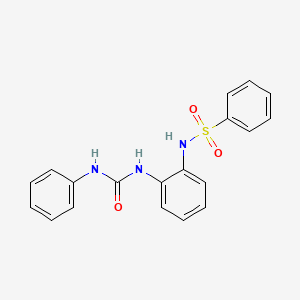
N-(2-((Phenylcarbamoyl)amino)phenyl)benzenesulfonamide (NKK 1304)

CAS No 215917-77-4

Category

Dye and Pigment Intermediates

Sub-Category

Synthetic Intermediates

Description : N-(2-((Phenylcarbamoyl)amino)phenyl)benzenesulfonamide (CAS No: 168641-27-2), commercially recognized as a leading non-phenol color developer (Pergafast 201 class), is undergoing a dramatic structural transition from a niche specialty additive to the dominant, eco-compliant color developer across the global thermal paper, advanced ink-free printing, and specialty dye coating industries. Driven by stringent international regulatory bans on legacy bisphenol-based developers (such as Bisphenol A / BPA and Bisphenol S / BPS), paper coaters and thermal media manufacturers are rapidly adopting this non-bisphenol sulfonylurea matrix. Serving as a high-performance color developer, N-(2-((Phenylcarbamoyl)amino)phenyl)benzenesulfonamide reacts cleanly with leuco dyes upon thermal activation to produce deep, high-contrast, and fade-resistant image formation without estrogenic or endocrine-disrupting hazards. Its exceptional thermal stability and background whiteness make it indispensable for global point-of-sale (POS) receipts, self-adhesive shipping labels, medical imaging paper, and next-generation ink-free thermal printing media. As a globally established supplier of N-(2-((Phenylcarbamoyl)amino)phenyl)benzenesulfonamide, we ensure dependable bulk supply, strict particle-size management, and complete technical dossiers, including CoA and TDS across all industrial grades. Beyond supply, we support international partners through the entire product lifecycle, from thermal slurry formulation and particle wet-milling optimisation to full commercial coating runs, ensuring robust quality assurance, global regulatory alignment, and secure cross-border supply chain logistics.

View Product
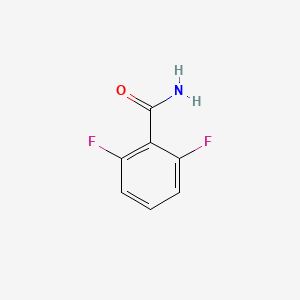
2,6-Difluorobenzamide

CAS No 18063-03-1

2,6-Difluorobenzamide

Category

Pharmaceutical Actives & Precursors

Sub-Category

Intermediates & Precursors

Description : 2,6-Difluorobenzamide (CAS No: 18063-03-1) is undergoing a significant transition from a niche aromatic intermediate to a high-volume, core agrochemical and pharmaceutical precursor across the global crop protection and advanced life science markets, where its dual-ortho fluorinated benzamide architecture is leveraged in large-scale commercial active ingredient synthesis. Serving as a fundamental fluorinated primary amide building block, 2,6-Difluorobenzamide is a cornerstone of the international fine chemical supply chain, driving the global manufacturing of major benzoylurea chitin synthesis inhibitors such as Diflubenzuron, Lufenuron, Hexaflumuron, and Teflubenzuron, alongside high-value therapeutic blockbusters like the antiretroviral API Dolutegravir. Beyond standard chemical intermediate roles, its exceptionally stable fluorinated ring profile makes it indispensable in cross-border pharmaceuticals, advanced veterinary insecticides, and high-performance agrochemical synthesis. This versatility reflects a global sourcing shift toward strictly validated, high-purity solid crystalline variants to ensure predictable reaction yields, low elemental impurities, and reproducible condensation kinetics worldwide. As a globally established 2,6-Difluorobenzamide supplier, we ensure dependable bulk supply, strict quality control, and complete technical dossiers, including 2,6-Difluorobenzamide CoA and TDS across all industrial and technical grades. Beyond supply, we support our international partners through the entire product lifecycle from pilot-scale process optimization to full commercial manufacturing, ensuring robust quality assurance, global regulatory alignment, and secure cross-border supply chain and logistics coordination.

View Product
Optimize

Operational Capability Canvas

Digital Data Sheets

Instant, self-service access to complete regulatory and technical compliance packages–including Technical Data Sheets (TDS), Material Safety Data Sheets (MSDS), and batch-specific Certificates of Analysis (CoA).

TDSMSDSCoA
Hand holding a tablet displaying digital compliance and security documentation

Regulatory Alignment

Uncompromised cross-border validation across REACH, US-FDA, GMP, ISO 9001:2025, and 80+ verified global compliance frameworks.

REACH, GMP, FDA, TSCA, and ISO 9001 compliance certification badges

Application Engineering

3 specialized Global R&D Laboratories dedicated to custom molecular functionalisation, proprietary formulation tuning, and safe pilot-scale testing.

custom molecular functionalisationproprietary formulation tuningsafe pilot-scale testing
Scientists collaborating in a Scimplify Center for Innovation laboratory

Our Services

CRO

From lab-scale testing to pilot-scale production to finished formulations and regulatory support, our CRO services are designed to streamline your journey to market with precision and expertise.

  • Pilot scale production
  • Regulatory & compliance support
  • Lab scale testing
Explore

CMO

From lab-scale testing to pilot-scale production to finished formulations and regulatory support, our CRO services are designed to streamline your journey to market with precision and expertise.

  • Pilot scale production
  • Regulatory & compliance support
  • Lab scale testing
Explore

Resources

Our Featured Webinars

Webinar

Rethinking India's Role in Chemical Supply Chains

Speakers
  • Mitesh Gangar | VP & Head - Specialty Business & Supply Chain at Aarti Industries Ltd.
  • Nirjhar Negi | Director - Advanced Materials at IMCD Group
Host

Salil Srivastava, Co-Founder at Scimplify

Webinar

How to Synergize the Pharmaceutical Ecosystem in India

Speakers
  • Dr. J.S. Yadav
  • Dr. Sudhir Kumar Singh
  • Prof. Malla Reddy
  • Dr. Srinivas Oruganti
  • Dr. D.S. Reddy
  • Dr. Rakeshwar Bandichhor
Host

Sachin Santhosh, Co-Founder, Scimplify

Partner with us

Find your next advanced material and speciality chemical breakthrough

Ensure globally resilient supply chains

  • Expert Guidance

    Backed by 10+ patents and decades of experience.

  • Customized Solutions

    Tailored support for your unique needs.

  • Global Reach

    Delivering to 30+ countries.

  • Extensive products range

    With over 6000+ products in diverse industries.

Partner with us

Enter your personal data to create your account

Partner with us
PARTNER
WITH US