Anhydrous Zirconium Oxychloride (ZrOCl₂)

Anhydrous Zirconium Oxychloride (ZrOCl₂)

CAS Number
7699-43-6
Molecular Formula
Cl2OZr
Purity
Zirconium Oxychloride Purity (Commercial Grades) 98-99.9%

About Anhydrous Zirconium Oxychloride (ZrOCl₂)

Zirconyl chloride (CAS No: 7699-43-6) is increasingly utilized by North American metallurgical and high-purity fine chemicals houses as a fundamental precursor for nuclear-grade zirconium metal and advanced zircaloy fuel cladding, driven by the expansion of domestic reactor projects and strategic alignment with the U.S...

Synonyms

  • ZIRCONIUM OXYCHLORIDE
  • Zirconium dichloride oxide
  • ZIRCONIUM CHLORIDE OXIDE (ZROCL2)
  • zirconium oxychloride
  • zirconium chloride oxide

Anhydrous Zirconium Oxychloride (ZrOCl₂) Specifications

CAS Number
7699-43-6
Molecular Formula
Cl2OZr
IUPAC NameORBotanical Name
oxozirconium(2+) dichloride
Canonical SMILES
O=[Zr+2].[Cl-].[Cl-]
InChI Key
IPCAPQRVQMIMAN-UHFFFAOYSA-L
InChI
InChI=1S/2ClH.O.Zr/h2*1H;;/q;;;+2/p-2
HSN No
28274900
Appearance
White to off-white crystalline powder
Molecular Weight
178.13 g/mol
Zirconium Content
Approximately 51% (as Zr)
Density
3.1–3.3 g/cm³
Melting Point
Decomposes upon heating
Odor
Odorless
pH
Acidic aqueous solution (typically pH 1–3)
Electrical Conductivity
Conductive in aqueous solution
Thermal Conductivity
Low Magnetic Properties Non-magnetic
Mechanical Properties
Brittle crystalline solid
Purity
Zirconium Oxychloride Purity (Commercial Grades) 98-99.9%
Physical appearance
White crystalline powder, or white silky crystals/tetragonal needles as an octahydrate. Also available as a colorless to pale yellow clear liquid solution.
Boiling Point
210°C @ 760 mmHg
GHS Classification (Typical)
Zirconium oxychloride (anhydrous) is typically classified as hazardous due to its acidic nature and potential to cause irritation.
Flammability
Non-flammable
Suitable Extinguishing Media
Water spray, dry chemical, foam, or carbon dioxide suitable for the surrounding fire
Hazardous Decomposition Products
Hydrogen chloride (HCl) fumes and zirconium oxides upon thermal decomposition
Regulatory statement
Zirconium oxychloride (anhydrous) is generally not regulated as a dangerous good for transport under ADR, IMDG, IATA, or DOT regulations, although packaging should prevent moisture ingress and dust release
Precautionary Statement Codes
P234, P260, P261, P264, P271, P280, P301+P330+P331, P303+P361+P353, P304+P340, P305+P351+P338, P316, P321, P363, P405, and P501
Hazard Classes and Categories
Met. Corr. 1 (100%) Skin Corr. 1B (100%)

Precursor

A primary chemical intermediate used to manufacture other zirconium compounds and catalysts

Textile Mordant

A fixing agent used in dyeing processes to improve color fastness and brightness

Ceramic Raw Material

A precursor for high-performance zirconia ceramics and refractory materials

Water Treatment Agent

A coagulant and flocculant for removing suspended solids and impurities

Surface Treatment

A corrosion inhibitor and coating agent for metal protection

Chemical Catalyst

A reagent used to promote esterification, acetalization, and acylation reactions

Fire Retardant

An additive in fireproofing formulations for textiles and plastics

Crosslinking Agent

A modifier used in adhesives and polymer systems to improve durability

Electrical Insulation

An insulating material used in capacitors, motors, and high-voltage transformers due to its high dielectric strength and heat resistance

Construction Materials

A performance-enhancing additive for paints, coatings, and concrete to improve durability, weather resistance, and finish

Cosmetic Industry

A shimmer and color additive used in eyeshadows, lipsticks, and personal care products to provide a luminous and pearlescent effect

Industrial Manufacturing

A heat-resistant lining material for furnaces, kilns, and crucibles in metallurgy and glass manufacturing sectors

  1. ZIRCONIUM OXYCHLORIDE
  2. Zirconium dichloride oxide
  3. ZIRCONIUM CHLORIDE OXIDE (ZROCL2)
  4. zirconium oxychloride
  5. zirconium chloride oxide

Anhydrous Zirconium Oxychloride (ZrOCl₂) FAQs

Minimum Order Quantity

25 kg (evaluation) · 1 MT (commercial)

Lead Time

3 – 5 weeks estimated

Delivery Terms

FOB*

Packaging

20 L pails, 200 L HDPE drums, 1000 L IBC

US Availability

US Facility Inventory

Documentation

US SDS · COA · TDS · Specification sheet

US Regulatory & Quality Information

TSCA status*

US SDS / HazCom*

GHS classification*

ISO 9001:2015 site*

DOT shipping classification*

FDA status*

EPA status*

California Prop 65*

Reliable US supply chain

Regulatory compliance

On-time delivery

Technical expert support

Rounded Top

Explore Industrial Chemicals Portfolio

BROWN 3RELN

CAS No 63467-07-02

BROWN 3RELN

Category

Polymers & Intermediates

Sub-Category

Acrylic Monomers

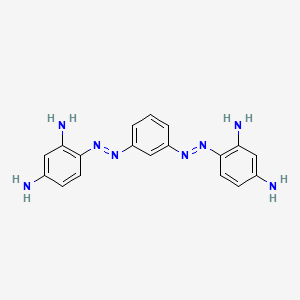
Description : Commercial dye trade name (Acid/Direct Brown mixture); . Serving as a high-performance reactive dyestuff, BROWN 3RELN (CAS 12225-70-0) finds essential application in industrial textile dyeing, cellulose fibre processing, and commercial fabric coloration. Technical demand for this specialized brown chromophore in textile processing mills stems from its strong wash fastness, excellent affinity for cotton blends, and reliable colour reproducibility during batch operations. C.I. Basic Brown 1 / Bismarck Brown Y (PubChem CID 13981, CAS 1052-38-6). Since Brown 3RELN (CAS 63467-07-02) is an industrial azo brown dye formulation lacking a single structure, C.I. Basic Brown 1 serves as the primary discrete brown azo dye benchmark in PubChem. Global commercial procurement streams for PubChem CID chemical dye standards prioritise stable colour shade consistency, controlled salt levels, and strict regulatory compliance regarding banned aromatic amines. As globally established BROWN 3RELN supplier with BROWN 3RELN purity 98%, scimplify ensures dependable supply, consistent quality, and complete regulatory documentation, including BROWN 3RELN CoA and BROWN 3RELN TDS across all grades.

View Product
Phenol Formaldehyde Resins (Can Coatings)

CAS No 68002-19-7

Category

Industrial Polymers

Sub-Category

Metal Packaging & Can Coatings

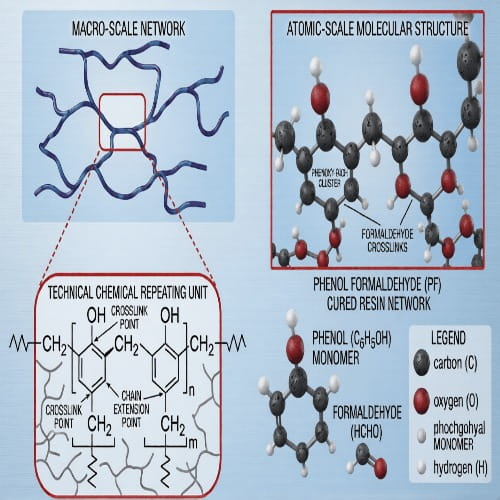
Description : Our Phenol Formaldehyde Resins are high-performance thermosetting polymers specifically engineered for the high-precision requirements of the metal packaging and industrial coating sectors. These butylated and epoxy-phenolic resins provide the critical chemical inertness and mechanical adhesion necessary to protect the integrity of contents in aggressive storage environments. Dropol portfolio Phenol Formaldehyde Resin is defined by its superior cross-linking density and chemical stability. By utilising butylated resole technology, these resins exhibit excellent compatibility with epoxy resins and polyvinyl butyral, allowing formulators to engineer coatings with a precise balance of flexibility and chemical resistance. Characterised by their ability to withstand the extreme thermal stress of sterilisation cycles while maintaining a non-tainting, non-toxic barrier between the metal substrate and the contents. Whether you are formulating a gold lacquer for food cans using Dropol 9012 or a high-solids insulating varnish with Dropol 9009, our series provides the reactive consistency required for automated coating lines. This technical edge minimises the "Total Cost of Quality" by preventing corrosion-related packaging failure and ensuring long-term shelf stability for consumer goods. We are one of the trusted Butylated Phenolic Resins supplier, ensuring consistent solids and viscosity ranges across the Dropol series. We provide a comprehensive range of binders with full technical documentation (Type/Solids/Solvent Compatibility) and supporting quality assurance (Phenol Formaldehyde Resins COA/SDS). Our products include FDA-approved grades and ready-to-use pre-condensates for the global packaging industry. We ensure reliable lead times from pilot evaluation to commercial-scale supply, enabling partners to satisfy the stringent requirements of the global food and industrial coating sectors.

View Product
Hard Ketone Aldehyde Resins (Pigment paste)

CAS No 25054-06-2

Category

Industrial Polymers

Sub-Category

Specialty Pigment Binders & Synthetic Resins

Description : Our Hard Ketone Aldehyde Resins are condensation polymers specifically developed for the ink, coating, and pigment processing industries. These neutral, non-saponifiable synthetic resins function as versatile grind vehicles and additive binders, enhancing the performance of complex chemical formulations. The Drotone portfolio Hard Ketone Aldehyde Resins are engineered to meet the stringent demands of high-concentration pigment dispersions and technical inks. These resins are characterised by their broad solubility in various organic solvents ranging from simple alcohols to complex hydrocarbon blends and their excellent compatibility with a wide array of binder systems, including Alkyds, Nitrocellulose, and Epoxy resins. By selecting grades with specific melting points and hydroxyl values, aldehyde resin manufacturers can precisely control the final film's hardness and chemical reactivity. We are one of the leading high-purity Ketone Aldehyde Resins suppliers with global footprint, ensuring consistent hydroxyl and acid values across the Drotone series. We provide a comprehensive range of synthetic resins with full technical (Melting Point/OH Value/Viscosity) and supporting quality assurance documentation (COA/TDS/SDS). Our products are optimised for universal colourants and speciality ink systems, offering superior solubility and adhesion. We ensure reliable lead times upto 10MT+ commercial supply, enabling partners to optimise their pigment processing and ink manufacturing workflows.

View Product
Phenalkamide

CAS No 68410-23-1

Phenalkamide

Category

Industrial Polymers

Sub-Category

Epoxy Curing Agents & Hardeners

Description : Phenalkamides are a newer class of epoxy curing agents that combine the chemistry of a Phenalkamine with a Polyamide. They are structurally designed to offer the rapid cure and moisture resistance of phenalkamines alongside the long pot life and extreme flexibility of traditional polyamides. Our high-performance Phenalkamide series represents the next generation of hybrid curing technology, strategically bridging the performance gap between traditional Polyamides and Phenalkamines. Drokamide portfolio is a technically advanced range of curing agents designed for formulators who require high-efficiency processing and reliable protective performance. By leveraging the unique molecular architecture of Cardanol-modified amines combined with fatty acid dimers, these phenalkamides offer a distinct mechanical edge. This chemistry facilitates rapid hardness development and "early rain resistance", making it an indispensable tool for outdoor applications in unpredictable climates. We are well-known high-performance phenalkamide suppliers, ensuring a consistent amine-value profile and precise viscosity control across the Drokamide series. We provide a comprehensive range of hybrid curing agents with full technical (AHEW/Amine Value/Viscosity) and supporting quality assurance documentation (phenalkamide COA/TDS/SDS). We ensure reliable lead times from pilot-batch evaluations to 10MT+ commercial-scale supply, enabling partners to lead in high-durability coating manufacturing.

View Product