Search through
Hero BG
Rounded Bottom

Propylene Glycol (CAS NO : 57-55-6)

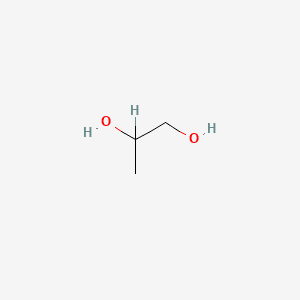
Propylene Glycol or 1,2-Propanediol, is a synthetic liquid alcohol that absorbs water. Within the Pharmaceutical, Food & Nutrition, and Industrial Chemicals hierarchies, a versatile "safety-first" solvent. Unlike its toxic cousin, Ethylene Glycol, Propylene Glycol is recognized as non-toxic and is universally used in applications where incidental contact with food or human skin is likely. Source High-Purity Propylene Glycol (CAS 57-55-6) from Scimplify, your authoritative global manufacturer and wholesale supplier of specialty glycols. Our Propylene Glycol is a premium multipurpose solvent and humectant engineered for the pharmaceutical, food, and industrial sectors. As an authoritative Propylene Glycol supplier, we ensure our material meets global regulatory standards, including USP/EP/JP pharmacopeia compliance, E1520 food-grade status, and REACH (EU) registration. Glycol is prized for its low toxicity and superior ability to dissolve both hydrophilic and lipophilic substances. Whether you are formulating non-toxic heat transfer fluids, stable liquid medications, or long-lasting personal care products, Scimplify delivers the technical consistency, international SDS/COA transparency, and reliable bulk lead times required for global manufacturing excellence

Propylene Glycol
Propylene Glycol

Documents

COA

Propylene Glycol or 1,2-Propanediol, is a synthetic liquid alcohol that absorbs water. Within the Pharmaceutical, Food & Nutrition, and Industrial Chemicals hierarchies, a versatile "safety-first" solvent. Unlike its toxic cousin, Ethylene Glycol, Propylene Glycol is recognized as non-toxic and is universally used in applications where incidental contact with food or human skin is likely. Source High-Purity Propylene Glycol (CAS 57-55-6) from Scimplify, your authoritative global manufacturer and wholesale supplier of specialty glycols. Our Propylene Glycol is a premium multipurpose solvent and humectant engineered for the pharmaceutical, food, and industrial sectors. As an authoritative Prop...

industries-sectionindustries

Industries

Industrial Chemicals, Food & Nutrition

category-sectioncategory

Categories

Food Ingredients, Processing Aids

sub-category-sectionsub-category

Sub-Categories

Other Functional Additives, De-icing Agents

Get a Quote

Details included in quote

Minimum Order Quantity

Lead Time

Regional Availability

Incoterms

Intersect
Rounded Top

Chemical Properties & Specifications

Applications of Propylene Glycol

Food & Pharmaceuticals: Safe Solvent (E1520)

In food industry (E1520): Primary solvent for flavours and colours, ensuring even distribution in beverages and baked goods

In pharmaceuticals, acts as a vehicle for topical, oral, and injectable medications, stabilising drug molecules that are poorly soluble in water +1

Industrial: Non-Toxic Antifreeze & Heat Transfer

Unlike ethylene glycol, Fod-processing cooling systems and solar water heater -safe if accidental leakage occurs. Effectively lowers the freezing point and raises the boiling point of aqueous solutions, protecting equipment from burst pipes and overheating

Beauty & Personal Care: Moisture Retention

As a humectant, PG prevents "drying out" of creams, lipsticks, and toothpastes. It also functions as a penetration enhancer, helping other active ingredients (like vitamins) absorb more effectively into the skin

Have Questions About Propylene Glycol?
We've Got Answers.

No. Only USP/EP Grade (Food Grade E1520) should be used for products intended for human consumption. Tech-grade may contain trace impurities or have different odor profiles that are unacceptable for flavor or pharmaceutical standards.

Under ideal storage conditions (sealed, cool, dry), PG has a shelf life of 2 years. After this period, we recommend re-testing for moisture content and acidity to ensure it still meets your process specifications.

While PG itself is non-corrosive, pure glycol solutions can become acidic over time due to oxidation. For industrial cooling, we recommend using Inhibited Propylene Glycol, which contains specialized buffers to protect metal components from rust.

Most PG is petroleum-derived (via propylene oxide). However, Scimplify can supply Bio-Propylene Glycol, which is derived from Glycerine (a co-product of vegetable oil processing). This offers a significantly lower carbon footprint for "Green" product lines.

Industrial standard is the 215kg HDPE or Steel Drum and ISO Tanks (20–24 MT).

The moq for REACH Registered Propane-1,2-Diol shared with procurement managers upon sourcing.

Suggested Products

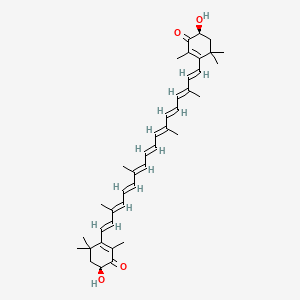
Astaxanthin
top-right-icon

Astaxanthin

CAS No. : 472-61-7

View Product
Gymnema sylvestre Extract
top-right-icon

Gymnema sylvestre Extract

CAS No. : 1399-64-0

View Product
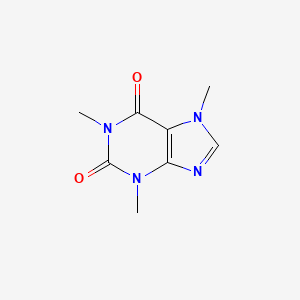
Caffeine
top-right-icon

Caffeine

CAS No. : 58-08-2

View Product
Calcium Pantothenate
top-right-icon

Calcium Pantothenate

CAS No. : 137-08-6

View Product

Get a Quote

Get a Quote