Search through
Hero BG
Rounded Bottom

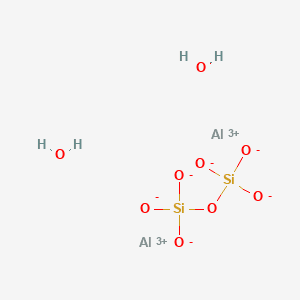
Alumino Silicate (CAS NO : 1332-58-7)

Alumino Silicates (Aluminum Silicate) (Hydrous: 1332-58-7, Calcined: 92704-41-1) represent a versatile class of minerals that serve as the backbone for both high-end industrial engineering and critical pharmaceutical formulations. While Hydrous Alumino Silicate (Kaolin) is core in the pharmaceutical sector for its exceptional adsorption capacity and chemical inertness, its thermally treated counterpart, Calcined Alumino Silicate, is a staple in metallurgy and material science due to its enhanced opacity, hardness, and electrical resistivity. The calcination process - heating the mineral between 650°C and 900°C - removes structural water to create an anhydrous, amorphous structure that optimises light scattering in coatings and reinforces polymer matrices. In contrast, pharmaceutical-grade hydrous silicates are purified to rigorous pharmacopoeia standards to act as intestinal adsorbents or high-functionality excipients. By connecting through heavy industrial performance and life-science purity, aluminosilicates offer a multi-functional solution for speciality chemical suppliers and paint manufacturers. We are a globally established unified CDMO worldwide, with comprehensive regulatory documentation (CoA), traceability, and consistent global supply capabilities, ensuring reliable lead times and quality assurance across all grades.

Alumino Silicate
Alumino Silicate

Alumino Silicates (Aluminum Silicate) (Hydrous: 1332-58-7, Calcined: 92704-41-1) represent a versatile class of minerals that serve as the backbone for both high-end industrial engineering and critical pharmaceutical formulations. While Hydrous Alumino Silicate (Kaolin) is core in the pharmaceutical sector for its exceptional adsorption capacity and chemical inertness, its thermally treated counterpart, Calcined Alumino Silicate, is a staple in metallurgy and material science due to its enhanced opacity, hardness, and electrical resistivity. The calcination process - heating the mineral between 650°C and 900°C - removes structural water to create an anhydrous, amorphous structure that optimi...

industries-sectionindustries

Industry

Pharmaceutical

category-sectioncategory

Category

Excipients

sub-category-sectionsub-category

Sub-category

Fillers & Diluents

Get a Quote

Details included in quote

Minimum Order Quantity

Lead Time

Regional Availability

Incoterms

Intersect
Rounded Top

Chemical Properties & Specifications

Applications of Alumino Silicate

Gastrointestinal Adsorbent (API)

Anti-diarrheal formulations to bind bacterial toxins and irritants in the digestive tract

Tablet Filler & Glidant (Excipient)

Necessary bulk to solid dosage forms and improves powder flow during high-speed tableting

Pharmaceutical Elastomers

Fillers in vial stoppers to ensure they are chemically inert and prevent the leaching of impurities into liquid medications

TiO_2 Extension

Functional spacer for Titanium Dioxide in paints and coatings, providing high opacity and scrub resistance at a reduced cost

High-Performance Concrete

As Metakaolin, Highly reactive pozzolan, reacting with free lime in cement to increase compressive strength and decrease permeability

Cable Insulation

Superior dielectric properties in high-voltage wire insulation by removing moisture-conducting ions

Refractories

Foundry sands and casting additives to provide thermal stability and prevent metal penetration

Have Questions About Alumino Silicate?
We've Got Answers.

No. Industrial grades are not purified to remove heavy metals or grit and do not undergo the strict microbial testing required for IP/BP/USP compliance.

When added to concrete, Metakaolin reacts with the calcium hydroxide (which is the weakest part of concrete) and turns it into strong, durable cementitious paste, significantly extending the life of the structure.

The "Hydrous" version contains water molecules (OH) that can conduct electricity. The calcination process removes these, making the clay an excellent electrical insulator.

No. Kaolin (Alumino Silicate) is primarily an adsorbent and filler. Bentonite is a "swelling" clay used to thicken liquids and stabilize suspensions.

Suggested Products

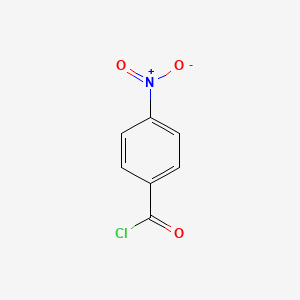
P-Nitrobenzoyl Chloride

CAS No : 122-04-3

P-Nitrobenzoyl Chloride

Category : Pharmaceutical Actives & Precursors

Sub-Category : Intermediates & Precursors

Description : P-Nitrobenzoyl Chloride (CAS 122-04-3) is a critical building block in the API intermediates market,...
View Product
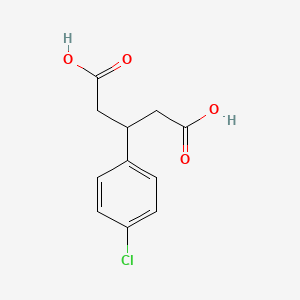
3-(4 Chloro Phenyl) Glutaric Acid

CAS No : 35271-74-0

Category : Pharmaceutical Actives & Precursors

Sub-Category : Active Pharmaceutical Ingredients (APIs)

Description : 3-(4-Chlorophenyl)glutaric acid (CAS 35271-74-0) is a pivotal building block in the API intermediate...

View Product
4-(2-Aminoethyl)benzenesulfonamide

CAS No : 35303-76-5

Category : Pharmaceutical Actives & Precursors

Sub-Category : Intermediates & Precursors

Description : 4-(2-Aminoethyl)benzene sulfonamide (CAS 35303-76-5) serves as a critical structural component withi...

View Product
4-Hydroxypyridine-3-sulfonic Acid

CAS No : 51498-37-4

Category : Pharmaceutical Actives & Precursors

Sub-Category : Intermediates & Precursors

Description : 4-Hydroxypyridine-3-sulfonic acid (CAS 51498-37-4) acts as a pivotal building block within the API i...

View Product

Get a Quote

Get a Quote