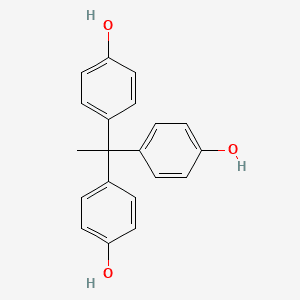

1,1,1-Tris(4-hydroxyphenyl)ethane (CAS 27955-94-8), commonly abbreviated as THPE, is a premium trifunctional phenolic branching agent. In Elemental Derivatives hierarchy (Oxygen/Phenolic path), it represents a structural "node" used to transform linear polymers into complex, high-performance 3D networks. THPE's unique "tri-pod" molecular architecture allows it to act as a precision branching point in the synthesis of Polycarbonates and Epoxy Resins. By introducing controlled branching, THPE significantly elevates the glass transition temperature (Tg), mechanical toughness, and chemical resistance of materials. For CDMOs and Specialty Chemical buyers, THPE is often viewed as the "safer" and more functionally capable alternative to standard bisphenols when designing hyperbranched systems for aerospace and high-density electronics. We are a globally established THPE supplier by having End to END formulator capabilities and various other intermediates and fine chemicals worldwide through comprehensive regulatory documentation (CoA), traceability, and consistent global supply capabilities, ensuring reliable lead times and quality assurance across all grades.

1,1,1-Tris(4-hydroxyphenyl)ethane (CAS 27955-94-8), commonly abbreviated as THPE, is a premium trifunctional phenolic branching agent. In Elemental Derivatives hierarchy (Oxygen/Phenolic path), it represents a structural "node" used to transform linear polymers into complex, high-performance 3D networks. THPE's unique "tri-pod" molecular architecture allows it to act as a precision branching point in the synthesis of Polycarbonates and Epoxy Resins. By introducing controlled branching, THPE significantly elevates the glass transition temperature (Tg), mechanical toughness, and chemical resistance of materials. For CDMOs and Specialty Chemical buyers, THPE is often viewed as the "safer" and m...

Chemical Properties & Specifications
H411: Toxic to aquatic life with long lasting effects
P273, P391, and P501
Emerging research identifies THPE derivatives as potential scaffolds for inhibiting viral helicases (e.g., Hepatitis C)
Synthesize high-molecular-weight stabilizers that do not migrate out of plastic packaging
Creates "Hyperbranched Polycarbonates" (HBPC). Increases the melt strength of the polymer, Easier thermoforming of complex shapes in Automotive and Aerospace interior components
Crosslinker to increase crosslinking density. Superior thermal stability and moisture resistance for structural adhesives
Formulation of high-resolution photoresists and novolac resins. Its rigid structure provides the dimensional stability required for high-density interconnect (HDI) boards
In B2B high-end polymer production, color is critical. Our Exclusive Grade (≥ 99%) minimizes "monophenol" and "bisphenol" impurities that cause yellowing. High-purity THPE ensures the optical clarity required for polycarbonate lenses and high-transparency coatings.
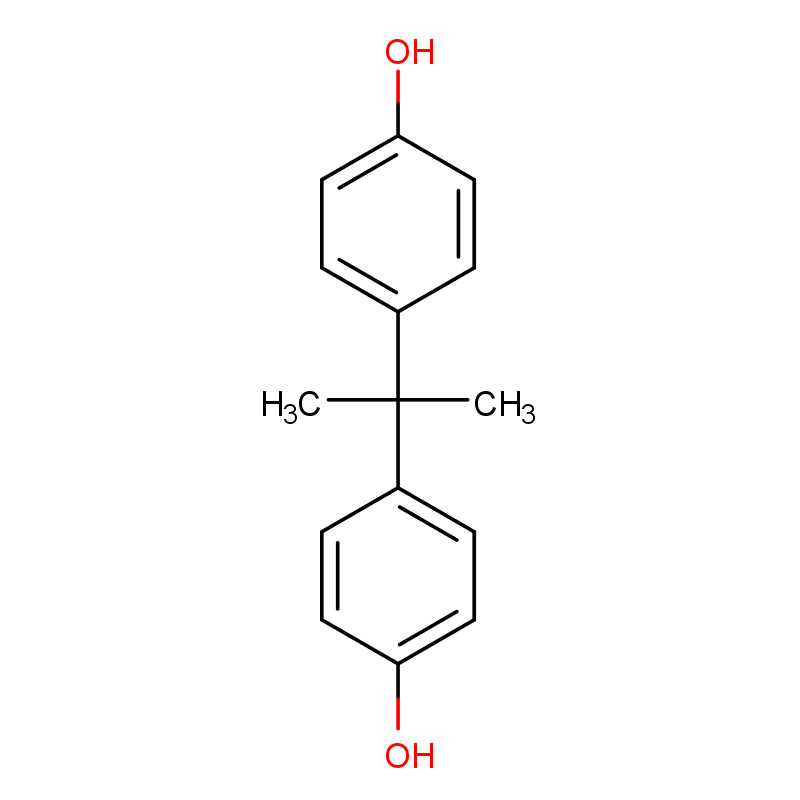
While BPA is difunctional (linear), THPE is trifunctional. For CDMOs designing high-strength materials, THPE creates a 3D network rather than a straight chain. This results in significantly higher Glass Transition Temperatures (Ig) and better resistance to solvent stress-cracking.
Yes. Its high melting point (248°C) and thermal stability make it ideal for high-temperature melt-processing. It integrates seamlessly into the transesterification phase of polycarbonate production without early decomposition.
THPE is classified as UN 3077 (Environmentally Hazardous Substance), Aquatic Chronic 2. For procurement managers, this means it requires specialized labeling and maritime transport compliance, though it is not classified as a "flammable" or "toxic" solid for air-freight.
Yes export ready with THPE coa, 1,1,1-Tris(4-hydroxyphenyl)ethane sds along with regulatory complainces.