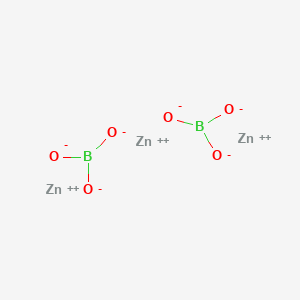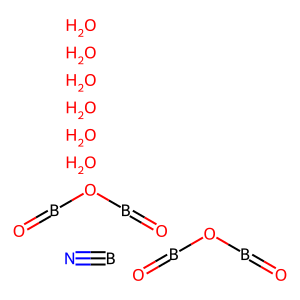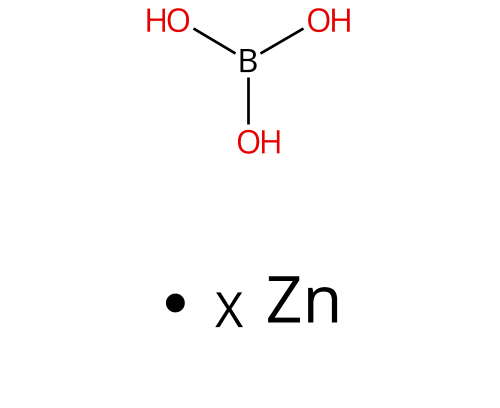
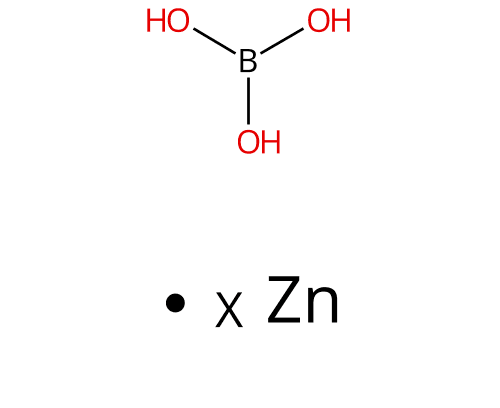

Zinc Borate is a high-performance, white crystalline mineral additive universally used as a halogen-free flame retardant synergist, smoke suppressant, and polymer stabiliser, available in both zinc borate hydrated (CAS 1332-07-6) for standard processing under 290°C and zinc borate anhydrous (CAS 10361-94-1) for high-temperature engineering plastics processed above 300°C. While the hydrated grade dynamically releases chemically bound water to suppress smoke and cool fires, the anhydrous grade prevents high-heat polymer degradation and builds a robust protective char layer, meaning both grades effectively enhance fire resistance, smoke suppression, and thermal stability in PVC, polyolefins, elastomers, and coatings applications. Supplied as an industrial-grade powder or granular material, zinc borate is used extensively in industrial polymer compounding, cable insulation, and coatings manufacturing, delivering premium functional capabilities to meet strict regulatory fire standards. Also referred to as ZINC BORATE [HSDB] & ZINC BORATE [WHO-DD] by global manufacturers, we are the leading, trusted inorganic zinc borate supplier worldwide, providing both hydrated and anhydrous grades with reliable lead times and global supply capability.

Zinc Borate is a high-performance, white crystalline mineral additive universally used as a halogen-free flame retardant synergist, smoke suppressant, and polymer stabiliser, available in both zinc borate hydrated (CAS 1332-07-6) for standard processing under 290°C and zinc borate anhydrous (CAS 10361-94-1) for high-temperature engineering plastics processed above 300°C. While the hydrated grade dynamically releases chemically bound water to suppress smoke and cool fires, the anhydrous grade prevents high-heat polymer degradation and builds a robust protective char layer, meaning both grades effectively enhance fire resistance, smoke suppression, and thermal stability in PVC, polyolefins, el...

Chemical Properties & Specifications
Aquatic Acute 1 (100%) & Aquatic Chronic 1 (100%)
A universally preferred in standard plastics (PVC, polyolefins, PP, PE) processed below 290°C as it ctively cools fires by releasing water vapor
Acts as an anti-fungal agent, biocide, and preservative to prevent decay and termite damage
Functions as an anti-corrosive pigment, in-can preservative, and tannin stain blocker
Fluxing agent in ceramic bodies and glazes to reduce firing temperatures and increase structural strength
Occasionally as a micronutrient fertilizer formulation to supply zinc and boron to crops
The primary difference lies in their heat-processing thresholds and fire-suppression mechanisms; the hydrated grade contains chemically bound water that releases endothermically to cool fires in standard polymers processed below 290°C (like PVC and polyolefins), whereas the anhydrous grade contains zero water molecules, remaining thermally stable above 300°C to prevent polymer degradation in high-temperature engineering plastics (like polyamides) while relying exclusively on solid-state chemistry to form a protective glassy char layer.
Yes, both variants are legally and chemically classified under the unified global customs tariff code 2840.20.90, which governs "Other Borates" within the international Harmonised System, ensuring seamless cross-border shipping documentation and tax compliance despite the structural differences in their molecular hydration states.
Answer: The hydrated grade features a unique crystal lattice that allows low-level, controlled solubility in water over long periods to release microscopic zinc and boron ions that are highly toxic to wood-decaying fungi, mold, and termites while acting as an anti-corrosive pigment—making it a highly cost-effective, dual-action biocide and flame retardant for ambient applications where the more expensive anhydrous grade is unnecessary.
Both grades function as highly potent chemical synergists that can replace up to 50% of expensive Antimony Trioxide in halogenated polymers, reacting during combustion to form volatile zinc/antimony halides that scavenge gas-phase radicals while concurrently altering the polymer matrix pyrolysis pathway to yield non-volatile char instead of heavy, toxic smoke.
While both are eco-friendly, non-halogenated minerals free from strict regulatory bans, the hydrated grade must be stored away from radiant heat sources to prevent premature water release at 290°C, whereas the highly hygroscopic anhydrous grade must be kept in moisture-resistant, hermetically sealed bags to prevent it from naturally adsorbing atmospheric humidity and converting back into a hydrated state, which would cause catastrophic steam outgassing during high-heat manufacturing.
Category : Metal Oxides & Synergists, Critical metals & Strategic materials
Sub-Category : Metal additives, Bismuth Compounds
Description : Bismuth granular (CAS 7440-69-9) is an essential high purity fine chemical utilized in the API inter...
Category : Synergists & Smoke Suppressants, Electronic & Specialty Grade Materials
Sub-Category : Antimony-based synergists, High Purity Metals, Compounds & Powders