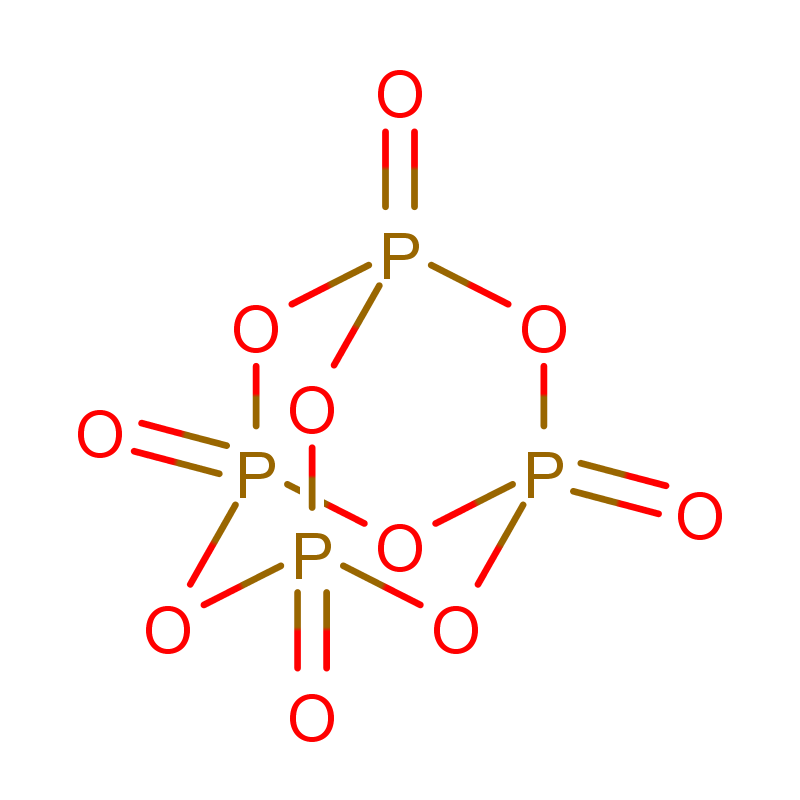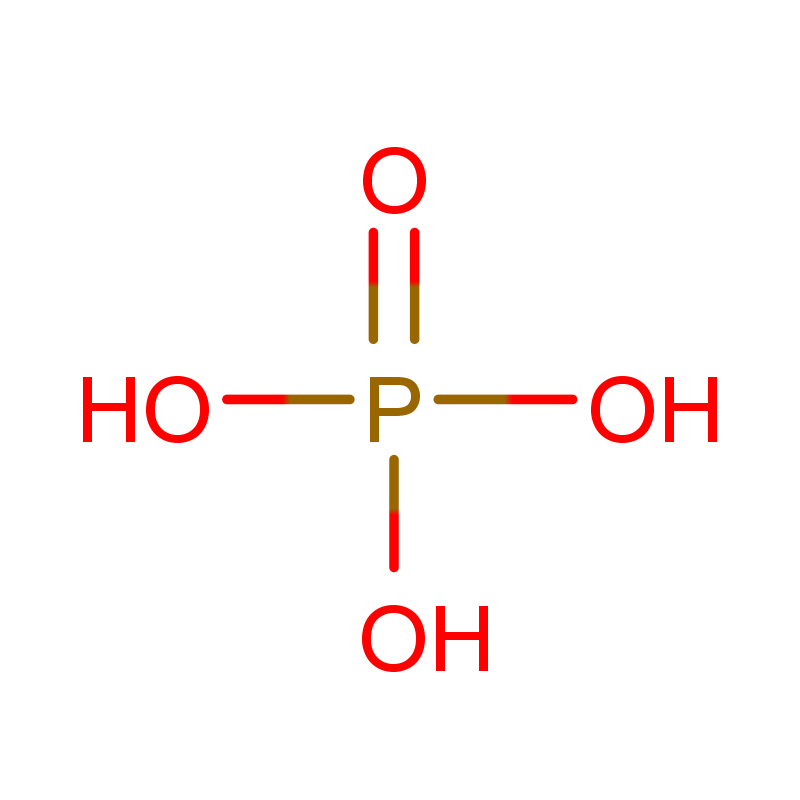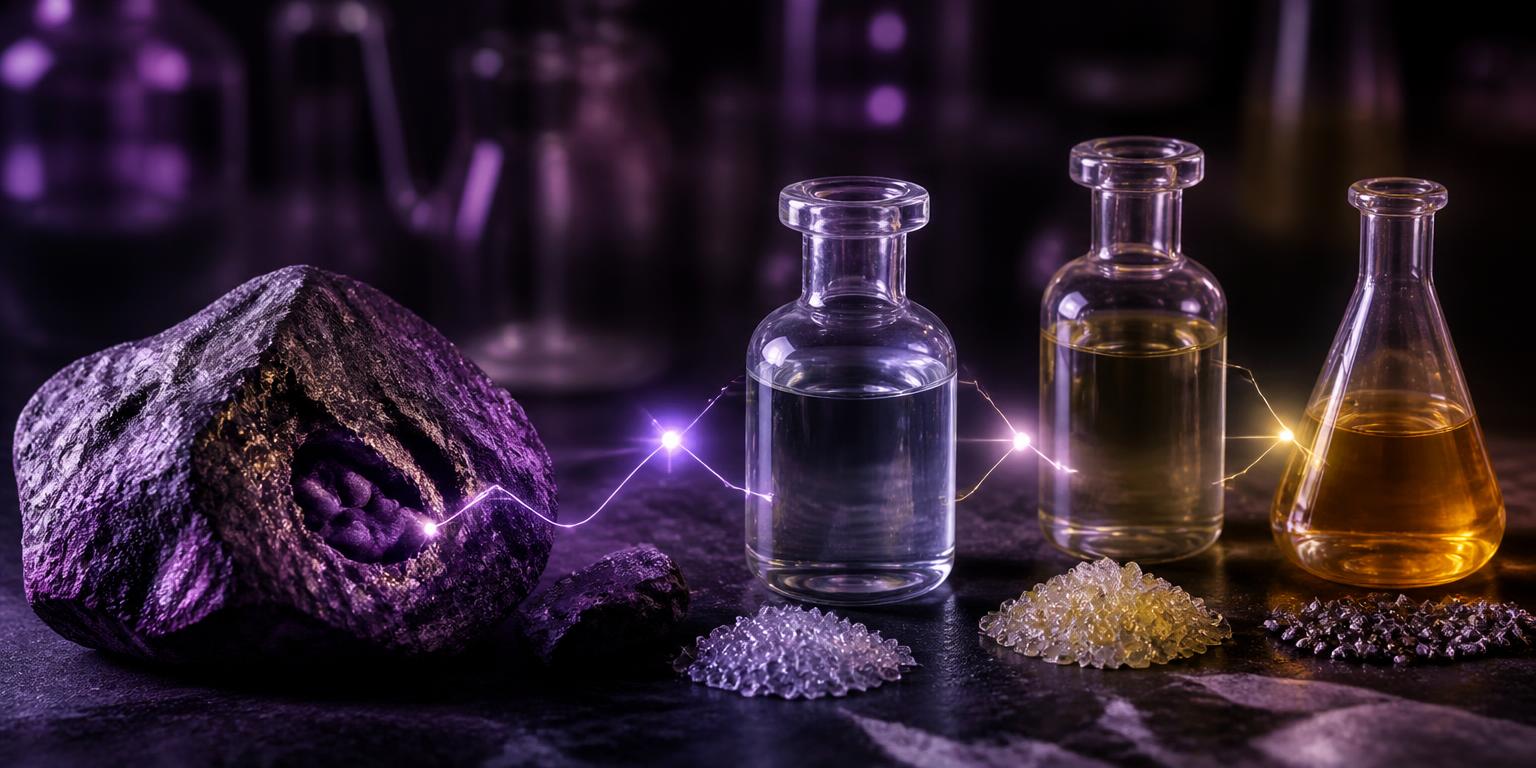


Yellow Phosphorus (P4) stands as the foundational "Mother Element" in the Elemental Derivatives hierarchy, serving as the essential precursor for the entire Phosphorus Oxides & Acids value chain. Characterised by its waxy, translucent appearance and extreme pyrophoric reactivity, this high-energy element is the starting point for the thermal route of chemical synthesis. By burning Yellow Phosphorus in a controlled environment, Yellow Phosphorus manufacturers produce ultra-high-purity Phosphorus Pentoxide and Thermal Phosphoric Acid, which are vastly superior to wet-process alternatives in electronics, food, and battery applications. Our exclusive grade of Yellow Phosphorus is optimised for the precision synthesis of specialised derivatives, ensuring that the "Phosphorus Chain" - from agricultural herbicides to Lithium-Iron-Phosphate (LFP) battery cathodes- begins with a clean, low-impurity elemental source. We are a globally established life science, crop science, and elemental derivatives supplier, along with a broad portfolio of other speciality chemicals worldwide through comprehensive regulatory documentation (CoA), traceability, and consistent global supply capabilities, ensuring reliable lead times and quality assurance across all grades.

Yellow Phosphorus (P4) stands as the foundational "Mother Element" in the Elemental Derivatives hierarchy, serving as the essential precursor for the entire Phosphorus Oxides & Acids value chain. Characterised by its waxy, translucent appearance and extreme pyrophoric reactivity, this high-energy element is the starting point for the thermal route of chemical synthesis. By burning Yellow Phosphorus in a controlled environment, Yellow Phosphorus manufacturers produce ultra-high-purity Phosphorus Pentoxide and Thermal Phosphoric Acid, which are vastly superior to wet-process alternatives in electronics, food, and battery applications. Our exclusive grade of Yellow Phosphorus is optimised for the precision synthesis of specialised derivatives, ensuring that the "Phosphorus Chain" - from agricultural herbicides to Lithium-Iron-Phosphate (LFP) battery cathodes- begins with a clean, low-impurity elemental source. We are a globally established life science, crop science, and elemental derivatives supplier, along with a broad portfolio of other speciality chemicals worldwide through comprehensive regulatory documentation (CoA), traceability, and consistent global supply capabilities, ensuring reliable lead times and quality assurance across all grades.
Metallurgy Chemicals
Phosphorus
Phosphorus Oxides & Acids

Chemical Properties & Specifications
H250: Catches fire spontaneously if exposed to air
H300: Fatal if swallowed
H314: Causes severe skin burns and eye damage
H330: Fatal if inhaled
H400: Very toxic to aquatic life
P210, P222, P231, P233, P260, P264, P270, P271, P273, P280, P284, P301+P316, P301+P330+P331, P302+P335+P334, P302+P361+P354, P304+P340, P305+P354+P338, P316, P320, P321, P330, P363, P370+P378, P391, P403+P233, P405, and P501
High-purity thermal phosphoric acid is produced by burning yellow phosphorus, which is then used in food additives and electronics
key upstream material for Iron Phosphate used in Lithium Iron Phosphate (LFP) battery cathodes. Utilized to create the phosphate matrix in Lithium-Iron-Phosphate (LFP) batteries, driving the EV revolution
Used to manufacture Glyphosate (via Phosphorus Trichloride, (PCl3) and various organophosphorus pesticides
Precursor for Phosphorus Pentasulfide (P2S5) used in lubricant additives and Red Phosphorus used in flame retardants
Serving as the raw material for "Halogenated Precursors" and "Specialty & Advanced Intermediates" (from your CSV), it is indispensable for systemic herbicide and pesticide synthesis
In the "Metal Elements & Bulk Alloys" division, it acts as a vital additive for Phosphor Bronze and specialized steel, enhancing tensile strength and corrosion resistance
Pyrophoric (spontaneously ignites in air at approx. 34°C)
Must always be submerged in demineralized water or an inert Nitrogen blanket to prevent spontaneous combustion
UN 1381 Class 4.2, Shipped in specialized ISO tanks or steel drums with internal linings to prevent corrosion
"Closed-Loop" systems are mandatory. Avoid any contact with air. In case of fire, use large quantities of water or sand (never use CO2 or Halon)