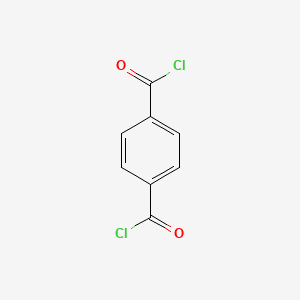

Terephthaloyl Chloride (CAS 100-20-9), also known as 1,4-Benzenedicarbonyl chloride, is a high-performance diacid chloride. In Elemental Derivatives hierarchy, it serves as a critical "Bifunctional Acylating Agent." TCL's symmetric, para-substituted aromatic structure allows for the creation of exceptionally rigid and thermally stable polymer backbones. While globally recognised as the backbone of "Aramid" fibers (like Kevlar), 1,4-Phthaloyl chloride is an indispensable Agrochemical Intermediate for synthesising advanced herbicides and fungicides that require specific aromatic orientations for biological activity. We are a globally established bulk TCL supplier for competitive Terephthaloyl chloride prices and various other agrochemical intermediates from sourcing, r&d to manufacturing scaling through comprehensive regulatory documentation (CoA), manufacturing compliances, traceability, and consistent worldwide supply capabilities, ensuring reliable lead times and quality assurance across all grades.

Terephthaloyl Chloride (CAS 100-20-9), also known as 1,4-Benzenedicarbonyl chloride, is a high-performance diacid chloride. In Elemental Derivatives hierarchy, it serves as a critical "Bifunctional Acylating Agent." TCL's symmetric, para-substituted aromatic structure allows for the creation of exceptionally rigid and thermally stable polymer backbones. While globally recognised as the backbone of "Aramid" fibers (like Kevlar), 1,4-Phthaloyl chloride is an indispensable Agrochemical Intermediate for synthesising advanced herbicides and fungicides that require specific aromatic orientations for biological activity. We are a globally established bulk TCL supplier for competitive Terephthaloyl ...

Chemical Properties & Specifications
Corrosive to Metals (Cat 1)
Skin Corrosion (Cat 1B); Serious Eye Damage (Cat 1); STOT SE (Cat3) (Respiratory Irritation)
P260, P261, P264, P271, P280, P301+P330+P331, P302+P361+P354, P304+P340, P305+P354+P338, P316, P321, P363, P403+P233, P405, and P501
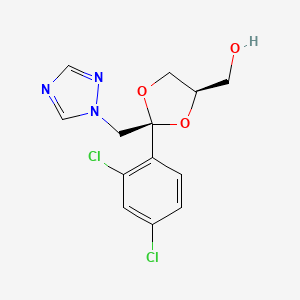
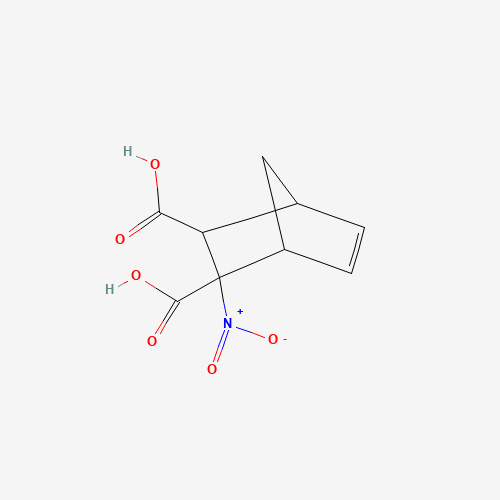
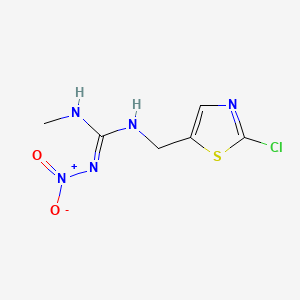
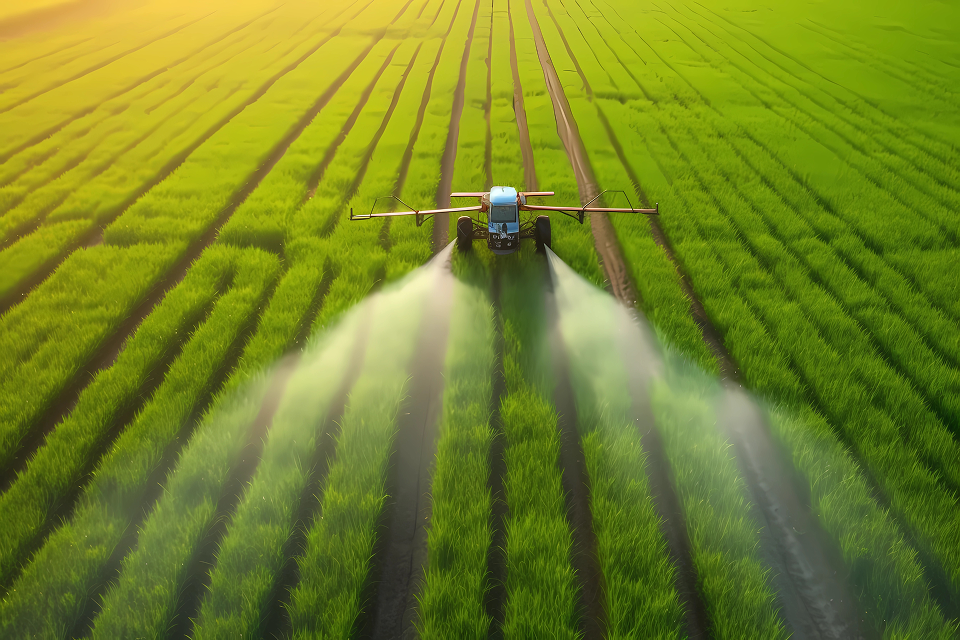
Coupling agent for synthesising complex Aromatic Herbicides and Fungicides. The para-linkage provided by TCL is essential for the molecular docking of certain agro-actives into plant enzyme sites
Primary monomer for Poly-p-phenylene terephthalamide (Aramid fibers). It is reacted with p-phenylenediamine to produce fibers with extreme tensile strength and heat resistance used in protective gear and aerospace
Synthesis of specialised drug delivery systems and cross-linked pharmaceutical polymers. It acts as a bridge for creating multi-functionalised aromatic drug precursors.
Storage under a Dry Nitrogen Blanket is mandatory to prevent moisture-induced degradation and pressure buildup from HCl gas release
Store in a cool, dry area (< 30°C). If supplied as a fused solid, heating for discharge must be controlled to prevent thermal decomposition
Use moisture-proof, polyethylene-lined steel drums or specialized ISO tanks for bulk liquid (molten) transport
Keep away from water, alcohols, strong bases, and amines (with which it reacts violently to form polyamides)
TCL is primarily used in Step-Growth Polymerization. Even a 0.1% impurity acts as a "chain terminator," preventing the polymer from reaching the high molecular weight required for strength. For Agrochemical use, high purity ensures no meta-isomer contamination, which could lead to off-target bioactivity in the final pesticide.
In industrial settings, TCL is often handled in a Molten State (heated above 85°C) or dissolved in anhydrous solvents like THF or Dichloromethane. Our flake form is designed for rapid dissolution in solvent-based batches to avoid localized overheating.
TPA is the hydrolysis product of TCL. Its presence indicates moisture ingress. In your manufacturing process, residual TPA can cause precipitation and clogging in filters and may result in incomplete acylation, significantly reducing the yield of your active agro-ingredient.
Yes, as under theses identification UN 3261 MSDS, REACH registered monomers with TPA coa. TPA tds.