Search through
Hero Background
rounded-bottom

Polyethylene Glycol (CAS NO : 25322-68-3)

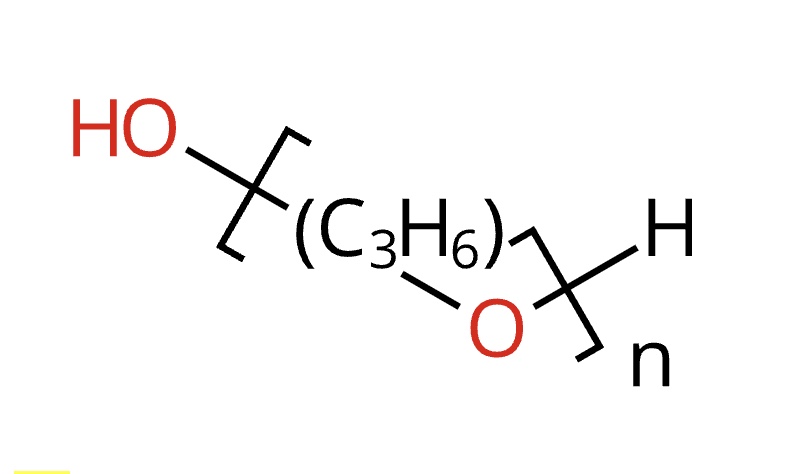
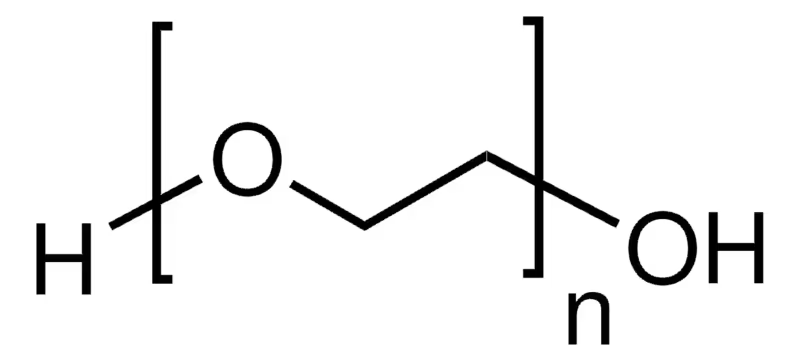
Polyethylene Glycol, commonly known as PEG (Polyether Polyols), is a versatile polymer of ethylene oxide. Within Pharmaceutical, Beauty & Personal Care, & Industrial Chemicals hierarchies, PEG series is defined by its molecular weight, which dictates its physical form—ranging from clear, viscous liquids (PEG 200–600) to waxy solids (PEG 1000–6000). Source High-Purity Polyethylene Glycol (CAS 25322-68-3) from Scimplify, your authoritative global manufacturer of multi-grade PEG polymers. From the low-molecular-weight PEG 200/400 liquids used as high-efficiency solubilizers to the high-molecular-weight PEG 4000/6000 solids used as structural binders. PEG has MW ranges from 200 to 30000 and, it is preferred in chemical synthesis, softeners, and cosmetic excipients. MACROGOL 200 is valued for its solvent capabilities, lubrication, moisture retention, and chemical stability, specifically used in industrial segments. MF =𝐻(𝑂𝐶𝐻2𝐶𝐻2)𝑛𝑂𝐻, where 'n' denotes the average number of repeating ethylene oxide units. Polyethylene oxide or PEG also serves as a foundational polyether in cosmetic, pharmaceutical, and industrial systems (polymer dispersion systems). Our Pharma-Grade PEG series meets strict USP/NF and EP compendial standards, offering non-toxic, non-irritating solutions for liquid and solid dosage forms. As an authoritative polyethylene glycol supplier, we provide materials that excel as humectants in skincare, mold release agents in rubber manufacturing, and viscosity regulators in detergents. Scimplify ensures Global Regulatory Compliance, providing the chemical stability, international SDS/COA transparency, and reliable bulk lead times required for the modern chemical supply chain.

Polyethylene Glycol

Polyethylene Glycol, commonly known as PEG (Polyether Polyols), is a versatile polymer of ethylene oxide. Within Pharmaceutical, Beauty & Personal Care, & Industrial Chemicals hierarchies, PEG series is defined by its molecular weight, which dictates its physical form—ranging from clear, viscous liquids (PEG 200–600) to waxy solids (PEG 1000–6000). Source High-Purity Polyethylene Glycol (CAS 25322-68-3) from Scimplify, your authoritative global manufacturer of multi-grade PEG polymers. From the low-molecular-weight PEG 200/400 liquids used as high-efficiency solubilizers to the high-molecular-weight PEG 4000/6000 solids used as structural binders. PEG has MW ranges from 200 to 30000 and, it ...

Get a Quote

Details included in quote

Minimum Order Quantity

Lead Time

Regional Availability

Incoterms

Rounded Top

Chemical Properties & Specifications

Applications of Polyethylene Glycol

Pharmaceuticals: Versatile Drug Delivery

Liquids (200-600): Solvent carriers in liquid-fill capsules and oral solutions

Solids (1000-6000): Water-soluble bases for ointments and suppositories. PEG 4000/6000 are essential as binders and lubricants in tablet compression.

Beauty & Personal Care: Moisture & Texture

Humectants, drawing moisture into the skin. In shampoos and lotions, they serve as viscosity modifiers and solubilisers for fragrances and essential oils. High-weight PEGs provide a creamy "spreadability" to lipsticks and solid balms

Industrial: Lubricants & Antistatic Agents

In the textile industry-Lubricants for fibers during spinning

In the rubber and plastics industries-Functions as effective mold release agents

Synthetic polymers-plasticisers in adhesives and as antistatic agents

Additional Features

Solvent Power: Compatible with polar and semi-polar compounds

Hydrophilic Carrier: Enhances bioavailability in drug systems

Non-Volatile: Thermally stable in extended processing environments

Blendable: Mixes well with other PEG grades or polyols

Low Toxicity & Biocompatibility: Safe for skin-contact applications

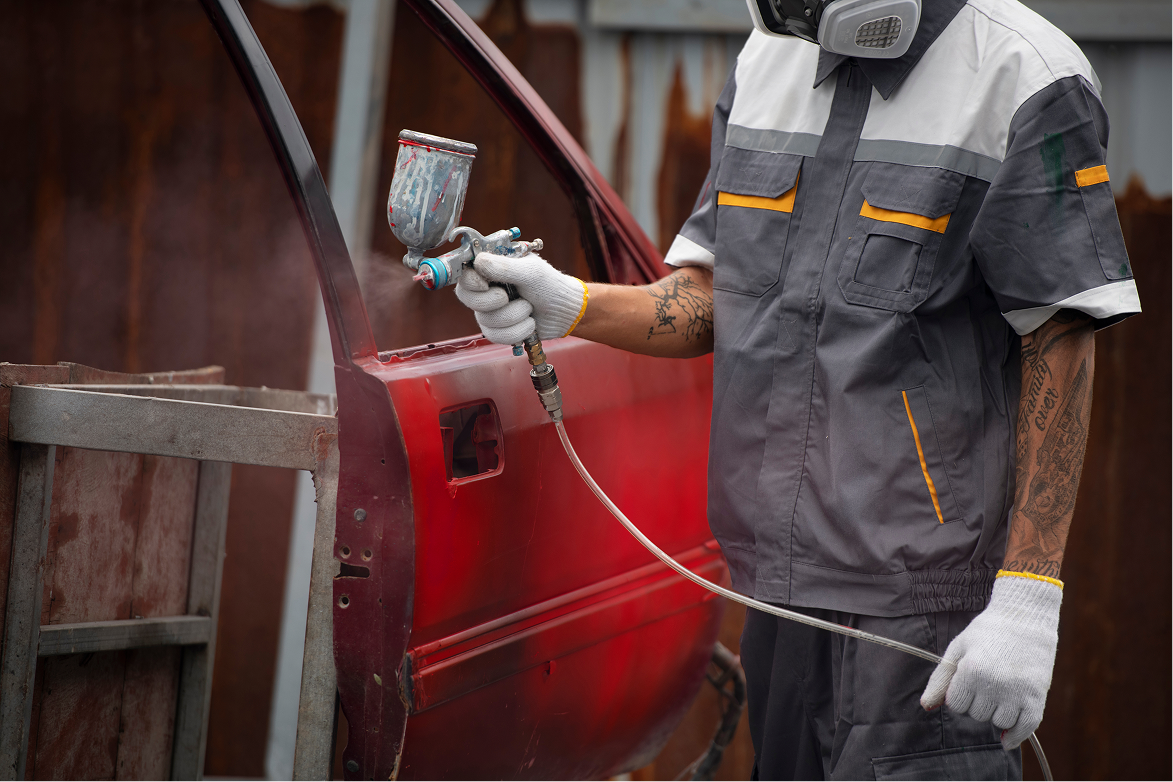
Paints & Coatings: Flow modifier, viscosity reducer

Have Questions About Polyethylene Glycol?
We've Got Answers.

Use PEG 200–600 when you need a water-soluble solvent to dissolve a poorly soluble drug. Use PEG 4000–6000 when you need structural integrity, such as in a tablet (as a binder) or a suppository (to maintain shape at room temperature).

Yes. For pharmaceutical and personal care applications, we ensure residual Ethylene Oxide (< 1 ppm) and 1,4-Dioxane (< 10 ppm) are strictly controlled to meet global safety mandates.

Absolutely. One of the greatest advantages of the PEG series is that they are fully compatible with one another. By blending a liquid (e.g., PEG 400) with a solid (e.g., PEG 4000), you can create a customized, ointment-like consistency perfectly suited for your specific application.

Discoloration is usually a sign of oxidation, triggered by exposure to moisture and high temperatures. Ensure the material is stored in original, sealed packaging away from direct sunlight. For industrial processes, adding a trace amount of an antioxidant (like BHT) can help preserve color during heating.

Approximately 200 Daltons, though it is a polymer with distributed chain lengths.

Available in technical, cosmetic, and pharma/USP grades depending on end use application for formulators.

Yes, FDA: GRAS-listed for indirect food contact (certain grades).

Yes, pharma-grade PEG 200 complies with US Pharmacopeia (USP) and FDA specifications.

Yes, PEG 200 monoesters and etherified derivatives are available on request.

On the basis of Polyethylene Glycol grade such as PEG-200, PEG-400, PEG-600, PEG-1000, PEG-4000, and PEG-6000 COA, MSDS, USP/EP/BP compliance docs (if pharma), Kosher/Halal (if applicable).

Polyethylene Glycol MOQ starts at 200 kg (drum) or 1000 kg (IBC); lead time is 7–10 days. Is PEG 200 export compliant? Yes, all documentation for customs clearance and regulatory declaration is included.

Suggested Products

Aliphatic Amine Adduct
top-right-icon

Aliphatic Amine Adduct

CAS No. : 113930-69-1

View Product
Polyamide
top-right-icon

Polyamide

CAS No. : 68410-23-1

View Product
WB Epoxy Hardener
top-right-icon

WB Epoxy Hardener

CAS No. : 113930-69-1

View Product

Get a Quote

Get a Quote