Search through
Hero Background
rounded-bottom

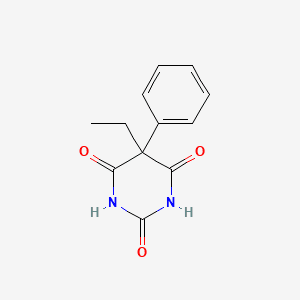
Phenobarbital (CAS NO : 50-06-6)

Phenobarbitone (Phenobarbital) is a long-acting barbiturate pharmaceutical essential medicine with anticonvulsant, hypnotic, and sedative properties. It has been preferred to be used in the treatment of epilepsy and as a pre-anesthetic agent. The sodium salt version improves water solubility, making it suitable for parenteral administration. Phenobarbitone, also known as Phenobarbitol, is also available in two pharmacologically equivalent forms: Phenobarbitone (Base) - Preferred in oral solid dosage formulations and Phenobarbitone Sodium - A highly water-soluble salt used in injectables and oral solutions. Also both forms are included in BP/EP/USP pharmacopeias & retain identical CNS depressant activity. Phenobarbitone Sodium manufacturers formulate it in injectable and oral dosage forms such as tablets, syrups, or solutions, fundamentally used for managing seizure disorders in human and veterinary contexts.

Phenobarbital

Phenobarbitone (Phenobarbital) is a long-acting barbiturate pharmaceutical essential medicine with anticonvulsant, hypnotic, and sedative properties. It has been preferred to be used in the treatment of epilepsy and as a pre-anesthetic agent. The sodium salt version improves water solubility, making it suitable for parenteral administration. Phenobarbitone, also known as Phenobarbitol, is also available in two pharmacologically equivalent forms: Phenobarbitone (Base) - Preferred in oral solid dosage formulations and Phenobarbitone Sodium - A highly water-soluble salt used in injectables and oral solutions. Also both forms are included in BP/EP/USP pharmacopeias & retain identical CNS depress...

Get a Quote

Details included in quote

Minimum Order Quantity

Lead Time

Regional Availability

Incoterms

Rounded Top

Chemical Properties & Specifications

Applications of Phenobarbital

Antiepileptic Therapy

Used in the treatment and management of all types of seizures, especially generalized tonic-clonic and partial seizures.

Sedative & Hypnotic Use

Previously employed as a sedative-hypnotic for short-term insomnia and anxiety-related conditions.

Veterinary Use

Also used as an antiepileptic and anesthetic adjunct in veterinary medicine.

Variations

– Base form is utilized in tablets and capsules. – Sodium salt is used in injectable and rapid-onset oral solutions.

Medical Significance

Used as a first-line antiepileptic agent in both human and veterinary medicine. Long-acting action, affordability make it especially valuable in resource-limited medical settings.

Additional Features

-High Potency: Effective at low therapeutic doses. -Long Half-Life: Suitable for once-daily administration in epilepsy management. -Cost-Effective: One of the oldest and most affordable anticonvulsants globally.

Have Questions About Phenobarbital?
We've Got Answers.

It enhances GABAergic neurotransmission by binding to the GABA-A receptor complex, increasing the duration of chloride channel opening. This reduces neuronal excitability and provides anticonvulsant, sedative, and hypnotic effects.

The base form is poorly water-soluble and preferred for solid oral dosage forms. The sodium salt is highly water-soluble, used in injectable and solution-based formulations. Both are pharmacologically equivalent.

Phenobarbitone is listed in BP, EP, and USP monographs and is supplied in pharmacopeial grades accordingly.

It is used in tablets, oral suspensions, and injectable solutions, depending on the form. Base for tablets, sodium salt for parenteral and pediatric use.

Yes, it is classified under Schedule IV (controlled substance) in the USA and Schedule H in India, requiring prescription and regulated handling.

Oral doses usually range from 30 to 100 mg/day, depending on seizure type and age group. Pediatric and veterinary dosages vary accordingly.

Yes, commonly in canine epilepsy and other animal seizure conditions due to its long-acting and cost-effective profile.

Typically provided COA (Certificate of Analysis), and stability data as per regulatory submission requirements. Can Phenobarbitone be used in pediatric medicine? Yes. It is often a first-line therapy for neonatal seizures and pediatric epilepsy when monitored properly due to its long half-life and low cost. What precautions are required during handling in bulk? Use protective gloves, dust mask, and safety goggles. Avoid inhalation and prolonged skin contact. Work in well-ventilated or enclosed spaces.

Suggested Products

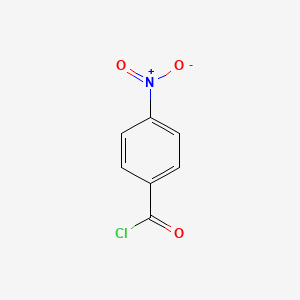
P-Nitrobenzoyl Chloride
top-right-icon

P-Nitrobenzoyl Chloride

CAS No. : 122-04-3

View Product
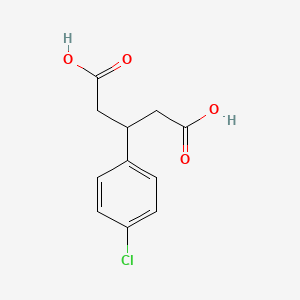
3-(4 Chloro Phenyl) Glutaric Acid
top-right-icon

CAS No. : 35271-74-0

View Product
4-(2-Aminoethyl)benzenesulfonamide
top-right-icon

CAS No. : 35303-76-5

View Product
4-Hydroxypyridine-3-sulfonic Acid
top-right-icon

CAS No. : 51498-37-4

View Product

Get a Quote

Get a Quote