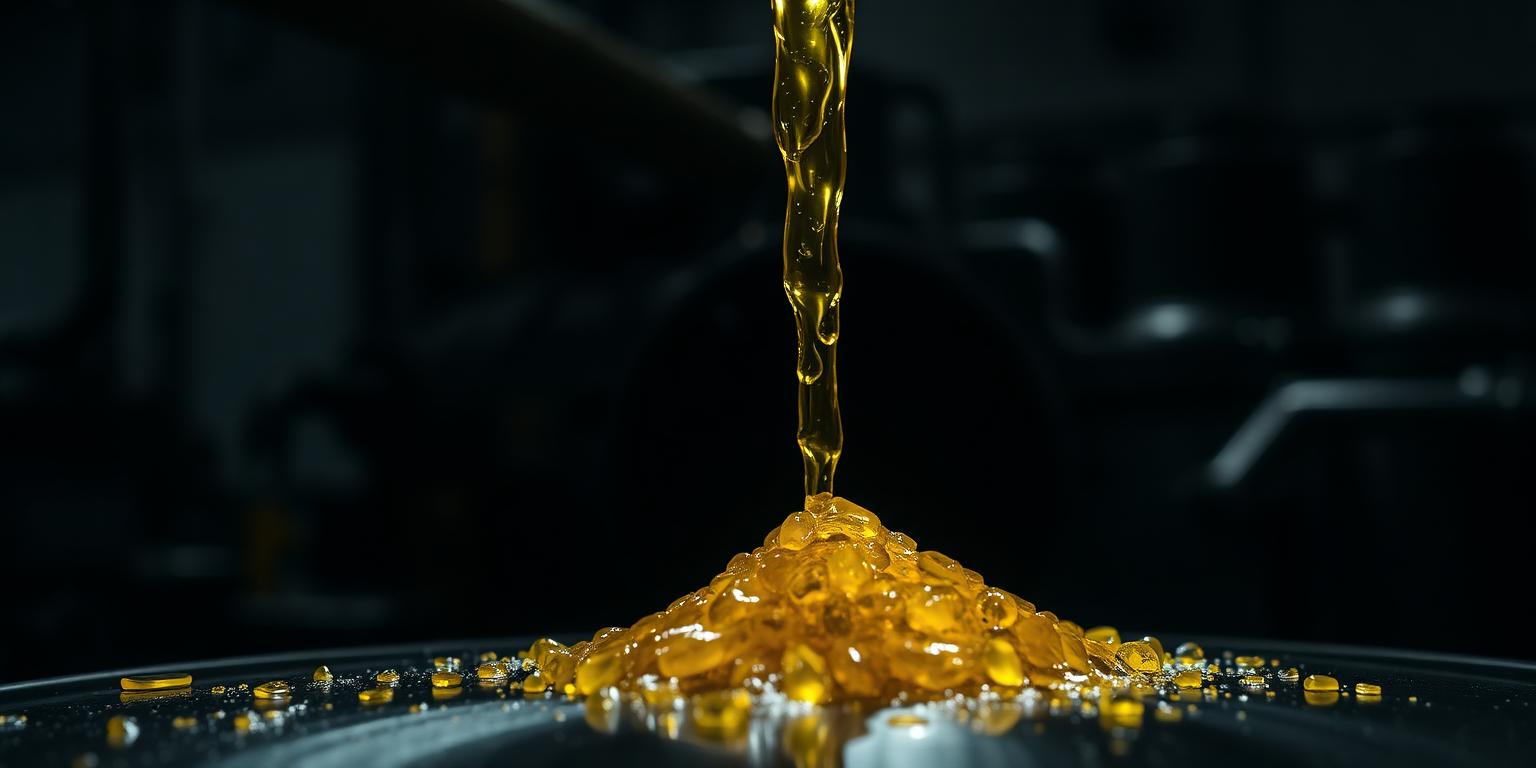
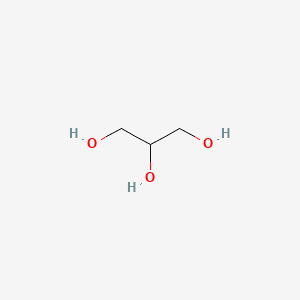

Glycerin also known as Glycerol, is a high-purity, multifunctional trihydroxy alcohol that serves as a foundational "building block" across the life sciences and industrial sectors. Primarily derived as a co-product of oleochemical processing (fatty acid and biodiesel production), a viscous liquid recognised for its exceptional humectant, solvent, and emollient properties. Derived from the transesterification of vegetable oils (biodiesel production) or the saponification of fats, it exists in two primary commercial forms: the raw, industrial Crude Glycerine and the high-purity, multi-compendial Refined Glycerine (USP). In pharmaceutical sector, being a critical USP/EP excipient - preferred right from cough syrups to suppository bases, while in the beauty industry, Glycerine remains the gold-standard humectant for skin hydration. Beyond its biological applications, Glyceritol is a versatile industrial intermediate used in the synthesis of alkyd resins, polyurethanes, and explosives (nitroglycerin). By ensuring strictly controlled moisture levels and adhering to global pharmacopoeia standards, our Glyrol provides a reliable, non-toxic, and sustainable solution for high-performance formulations. We are a globally established Bulk Glycerin per-tonne price supplier, along with a broad portfolio of other speciality chemicals, oleochemicals, life science, crop science, and elemental derivatives manufacturer worldwide through comprehensive regulatory documentation (CoA), traceability, and consistent global supply capabilities, ensuring reliable lead times and quality assurance across all grades

Glycerin also known as Glycerol, is a high-purity, multifunctional trihydroxy alcohol that serves as a foundational "building block" across the life sciences and industrial sectors. Primarily derived as a co-product of oleochemical processing (fatty acid and biodiesel production), a viscous liquid recognised for its exceptional humectant, solvent, and emollient properties. Derived from the transesterification of vegetable oils (biodiesel production) or the saponification of fats, it exists in two primary commercial forms: the raw, industrial Crude Glycerine and the high-purity, multi-compendial Refined Glycerine (USP). In pharmaceutical sector, being a critical USP/EP excipient - preferred r...

Chemical Properties & Specifications
Solvent for various active ingredients in oral liquids and elixirs, ensuring uniform dosage
API in rectal suppositories to treat constipation by drawing water into the bowel
Soothing "demulcent" effect in cough syrups, coating the throat to reduce irritation
Humectant-prevents skin dryness by drawing water into the stratum corneum
Primary ingredient in toothpaste to maintain consistency, prevent drying out, and provide a sweet taste without promoting tooth decay
Added to conditioners and serums to improve hair elasticity and moisture retention
Keeps baked goods moist and provides "body" to low-fat food products
Used to carry concentrated flavorings and food colors
Provides sweetness with a lower glycemic index than sucrose
KSM: Manufacture of paints and coatings
Antifreeze & Coolants: Specialized heat transfer fluids where non-toxicity is required
Epichlorohydrin Intermediate: "Glycerin-to-ECH" route for green epoxy resin production
In cosmetics and pharma, "Gold Standard" for moisture retention. It draws water from the environment into the skin (humectancy) and prevents the drying out of topical creams and oral cough syrups. It also acts as a non-toxic solvent for botanical extracts
High-energy co-product often used in biogas plants to boost methane yield. In the agricultural sector, refined into a high-calorie animal feed supplement. Industrially, serves as a precursor for the production of Epichlorohydrin (for epoxy resins) and Propylene Glycol via hydrogenolysis
Solvent for flavors, a filler in low-fat food products, and a softening agent in marshmallows and candies to maintain moisture and prevent crystallization of sugar
USP (United States Pharmacopeia) Grade Glycerin is refined to a purity of at least 99.7% and is certified for use in food, drug, and cosmetic applications. It meets strict requirements for heavy metals and impurities. Technical Grade Glycerin is intended for industrial use (like resins or antifreeze) where a slightly lower purity (98-99%) and higher color profile (APHA) are acceptable.
When stored in original, unopened containers in a cool, dry, and well-ventilated area, Refined Glycerin has a shelf life of approximately 24 months. Because it is highly hygroscopic (absorbs moisture from the air), it is critical to keep the seal airtight to prevent dilution and microbial growth.
As a leading manufacturer/CDMO, we primarily supply Vegetable Glycerin (VG) derived from Palm, Soy, or Rapeseed oil. We provide certificates of analysis (COA) confirming the source to meet Kosher, Halal, and Non-GMO requirements. (Note: Synthetic and tallow-based options are available upon request for specific industrial applications).
Glycerin is non-hazardous and non-flammable for transport. We ship in 250 kg HDPE drums, 1,100 kg IBC tanks, or stainless steel ISO tanks for bulk orders. It should be stored at temperatures between 15°C and 35°C; lower temperatures can significantly increase viscosity, making it difficult to pump.
Beyond its use as a humectant in personal care, Glycerin is a vital chemical intermediate for Alkyd Resins, Polyether Polyols, Tobacco Industry & solvent, sweetener, and preservative (E422) in F&B.
No. Crude Glycerine contains high levels of salts and ash which can cause corrosion and scaling in mechanical systems. For anti-freeze or heat transfer applications, you should use Technical Grade Refined Glycerine (98%+) to protect your infrastructure.
Critical safety parameter. We perform Gas Chromatography (GC) on every batch to ensure that DEG and Ethylene Glycol levels are below the USP/FDA limit of 0.1%. We provide full trace-element analysis in our COA.
We supply 100% Vegetable Glycerine (VG), derived primarily from Palm, Soya, or Rapeseed oils. It is HALAL, KOSHER, and Non-GMO certified, making it suitable for global food and pharmaceutical markets.
Glycerine is a highly viscous liquid due to strong hydrogen bonding. Its viscosity drops rapidly as temperature increases. For efficient pumping of Refined Glycerine, we recommend maintaining a storage temperature of 25 deg C to 30 deg C.