Search through


Pyraclostrobin is a broad-spectrum fungicide belonging to the strobilurin class, known for its preventive and curative properties. It inhibits mitochondrial respiration in fungi, effectively controlling a wide range of plant pathogens. Pyraclostrobin is widely used in agriculture to protect high-value crops, ensuring enhanced yield and quality.
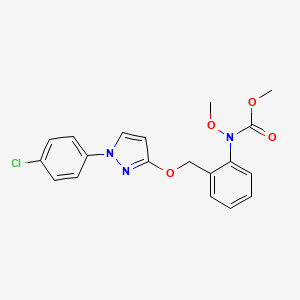
Pyraclostrobin is a broad-spectrum fungicide belonging to the strobilurin class, known for its preventive and curative properties. It inhibits mitochondrial respiration in fungi, effectively controlling a wide range of plant pathogens. Pyraclostrobin is widely used in agriculture to protect high-value crops, ensuring enhanced yield and quality.

.3d8f8f41.svg)
Agrochemicals
.3556d45a.svg)

Crop Protection & Pest Control


Fungicides
.7767eb0f.png)

Chemical Properties & Specifications
Acute Toxicity (Inhalation): Category 3 Skin Irritation: Category 2 Reproductive Toxicity: Category 2 Specific Target Organ Toxicity (Repeated Exposure): Category 2 Hazardous to the Aquatic Environment (Acute and Chronic): Category 1
H331: Toxic if inhaled. H315: Causes skin irritation. H361: Suspected of damaging fertility or the unborn child. H373: May cause damage to organs through prolonged or repeated exposure. H410: Very toxic to aquatic life with long-lasting effects.
P261: Avoid breathing dust/fume/gas/mist/vapors/spray. P264: Wash hands thoroughly after handling. P280: Wear protective gloves/protective clothing/eye protection/face protection. P273: Avoid release to the environment. P304+P340: IF INHALED: Remove person to fresh air and keep comfortable for breathing. P302+P352: IF ON SKIN: Wash with plenty of water. P308+P313: IF exposed or concerned: Get medical advice/attention. P391: Collect spillage
Effective against a variety of fungal pathogens, including Botrytis cinerea and Alternaria alternata, protecting fruits, vegetables, and ornamental plants
Used to treat seeds, ensuring healthy germination and early development by preventing seed-borne diseases
Applied in managing turf diseases in golf courses and sports fields, maintaining healthy and disease-free grass
Store at room temperature (typically 15–30°C or 59–86°F).
Store in a cool, dry place, away from direct sunlight and incompatible materials.
Keep in original, tightly sealed containers to prevent contamination and degradation.
Available in 1 kg, 5 kg, 10 kg, and 25 kg containers.
Used on crops such as soybeans, wheat, grapes, peanuts, corn, and vegetables.
It inhibits mitochondrial respiration in fungal cells, halting energy production and leading to cell death.
When applied as per guidelines, it poses minimal risk to non-target organisms and has low environmental persistence.
Yes, it can be mixed with compatible agrochemicals for broader-spectrum pest and disease control.
Apply as a foliar spray, following recommended dosage and intervals.
Offers both preventive and curative action against fungal pathogens.
Wear protective gloves, clothing, and eye protection; avoid inhalation of dust and ensure proper ventilation during application.