Search through


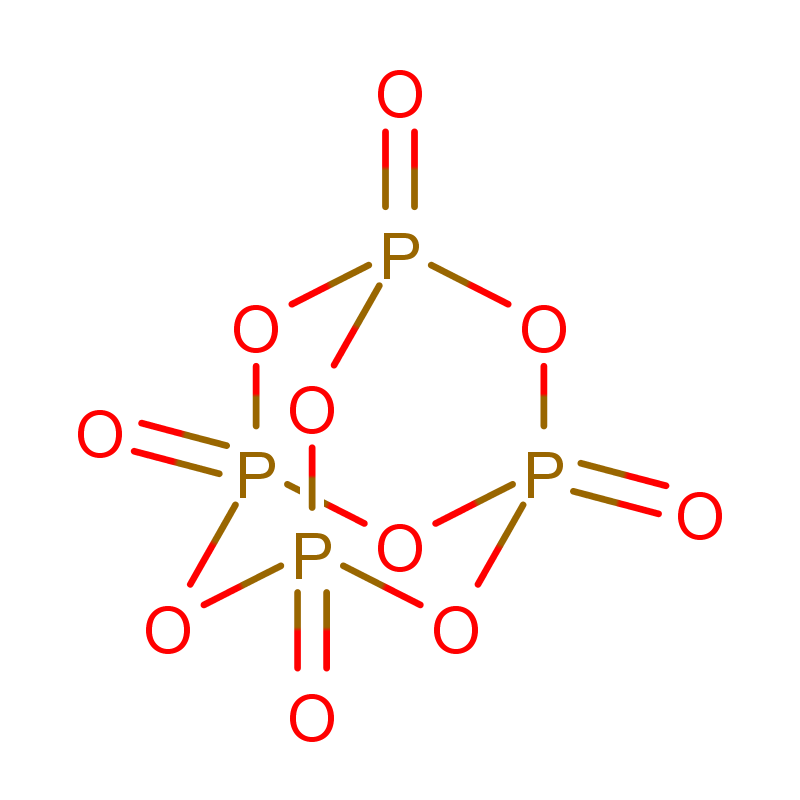
Polyphosphoric Acid (PPA) is a viscous inorganic liquid that acts as a concentrated form of phosphoric acid. oligomer and polymer mixture of phosphoric acid, typically defined by its equivalent P205 content, with common grades ranging from 80% to 85% P2Os (corresponding to 105% to 115% equivalent H3PO4). Chemically, PPA is a powerful, highly concentrated dehydrating agent and a strong acid source, making it an excellent medium for organic synthesis reactions. Serves as a non-aqueous solvent and catalyst in the synthesis of dyes, intermediates, and pharmaceuticals (e.g., cyclisation reactions) & is preferred as an effective stabilising and binding agent in speciality coatings and cements. Also referred to as superphosphoric acid by ppa suppliers and manufacturers We are the leading, trusted Polyphosphoric Acid (PPA) supplier worldwide and in the United States, with reliable lead times and global supply capability.
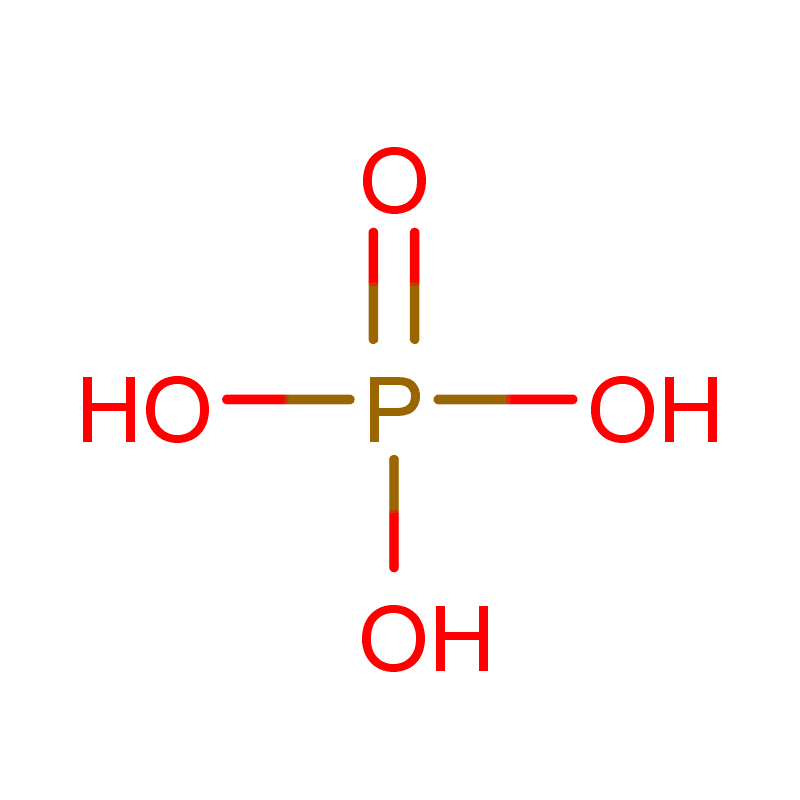
Polyphosphoric Acid (PPA) is a viscous inorganic liquid that acts as a concentrated form of phosphoric acid. oligomer and polymer mixture of phosphoric acid, typically defined by its equivalent P205 content, with common grades ranging from 80% to 85% P2Os (corresponding to 105% to 115% equivalent H3PO4). Chemically, PPA is a powerful, highly concentrated dehydrating agent and a strong acid source, making it an excellent medium for organic synthesis reactions. Serves as a non-aqueous solvent and catalyst in the synthesis of dyes, intermediates, and pharmaceuticals (e.g., cyclisation reactions) & is preferred as an effective stabilising and binding agent in speciality coatings and cements. Als...

.3d8f8f41.svg)
Elemental Derivatives
.3556d45a.svg)

Phosphorus


Phosphorus Oxides & Acids
.7767eb0f.png)

Chemical Properties & Specifications
3264
34
45-36/37/39-25-26
Corrosion (Skin and Eye Damage Category 1B)
Highly corrosive material (UN 3264, Corrosive Liquid, Acidic, Inorganic, N.O.S.) and must be shipped in approved, lined containers with mandatory hazard labelling, requiring compliance with all national and international dangerous goods regulations
Used as a non-aqueous acidic medium and dehydrating agent in cyclization reactions (e.g., acylation, Friedel-Crafts for fine chemical synthesis
Strong acidic catalyst in polymerization and condensation reactions
Production of organophosphorus compounds, including certain pesticides and herbicides
Specialty refractory cements and binding agents where high strength and thermal stability are required
Functions as a curing agent or hardener in certain epoxy resins and coatings.
Store below +30°C.
Keep container closed when not in use. Keep away from water. Corrosives area. Do not store in metal containers.
Incompatible with strong bases. Hygroscopic.
Moisture (hydrolyzes exothermically), high temperatures, and incompatible materials.
Keep containers tightly sealed to prevent moisture absorption and maintain concentration. Chemically stable when stored correctly.
Higher P2Os concentration means a more powerful dehydrating capacity and stronger acidity. For challenging cyclization or condensation reactions, the 84% or higher grades are preferred for maximizing reaction completion and yield.
No. 100% Phosphoric Acid is H3PO4. PPA is an oligomer (HAP 207, HзPзO10, etc.) and has different chemical properties, particularly its superior dehydrating power and higher acid strength in non-aqueous systems.
PPA functions by protonating hydroxyl groups and abstracting water (dehydration) to generate highly reactive electrophilic intermediates (e.g., acyl cations or carbocations) that facilitate intramolecular ring formation (cyclization).
When PPA is intentionally diluted with water, it hydrolyzes completely and exothermically to form orthophosphoric acid (H3PO4), which is used in fertilizer or food applications after purification.
After synthesis, the reaction mixture is usually quenched by slow addition to ice or cold water, which hydrolyzes the PPA to water-soluble HzPO4, illowing the organic product to be extracted with a suitable solvent.