Search through


Paraquat Dichloride is a highly potent, non-selective contact herbicide, acting rapidly upon foliage contact. This herbicide generates reactive oxygen species in photosynthetic tissues, leading to irreversible membrane damage and plant desiccation within hours. Toxer total is inherently soil-inactive, minimizing soil carryover. Paraquat Dichloride is a (Bipyridylium Herbicide Active Ingredient), and ultra-fast contact action attributed. Provided in bulk containers to agrochemical manufacturers for formulation into consumer ready herbicidal products. Paraquat Dichloride Suppliers also call it as 'Methyl viologen, Pathclear' for an example. Paraquat Dichloride is Highly regulated & manufactured, soil-inactive, bulk supply to formulators, used for non-selective weed control.
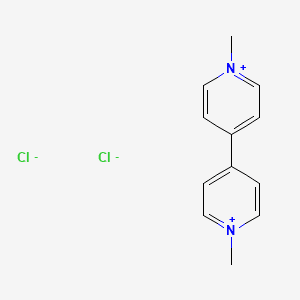
Paraquat Dichloride is a highly potent, non-selective contact herbicide, acting rapidly upon foliage contact. This herbicide generates reactive oxygen species in photosynthetic tissues, leading to irreversible membrane damage and plant desiccation within hours. Toxer total is inherently soil-inactive, minimizing soil carryover. Paraquat Dichloride is a (Bipyridylium Herbicide Active Ingredient), and ultra-fast contact action attributed. Provided in bulk containers to agrochemical manufacturers for formulation into consumer ready herbicidal products. Paraquat Dichloride Suppliers also call it as 'Methyl viologen, Pathclear' for an example. Paraquat Dichloride is Highly regulated & manufacture...

.3d8f8f41.svg)
Agrochemicals
.3556d45a.svg)

Crop Protection & Pest Control


Herbicides
.7767eb0f.png)

Chemical Properties & Specifications
-Acute Oral Toxicity (Category 2) -Acute Dermal (Category 2) -Acute Inhalation (Category 1) -Skin Irritation (Category 2) -Eye Damage (Category 2A) -Specific Target Organ Toxicity- Single Exposure (Category 1, lungs)** Aquatic Chronic (Category 1)**
Danger
-H300: Fatal if swallowed -H310: Fatal in contact with skin -H330: Fatal if inhaled -H372: Causes damage to lungs, liver, kidneys through prolonged exposure -H411: Toxic to aquatic life with long-lasting effects
Includes robust PPE, respiratory protection, no becoming airborne, sealed transport, emergency planning.
Requires strong warnings: “Fatal if swallowed,” “Causes irreversible pulmonary edema.”
Preferred by Paraquat Dichloride formulators and Paraquat Dichloride manufacturers as the technical active for preparing various end-use forms such as soluble liquids, wettable powders, or granules.
Serves as the API in large-scale herbicide products for non-selective applications across industrial, roadside, and plantation peripheries.
-Fast Contact Activity: Visible effect within minutes of application -No Soil Residue: Soil inactive upon binding; minimal environmental persistence -Standard Raw Mat’l: Contributes to consistent formulation batches
Keep in a cool, ventilated, and dry space below 30 °C, in sealed containers
Drum or bulk tank (IBC) with corrosion-resistant liners
Stable for ≥24 months if stored under recommended conditions
It is undiluted A.I., used by formulators to produce ready-to-use herbicide variants with inert ingredients.
Paraquat causes irreversible lung fibrosis in humans and is highly toxic to aquatic organisms. Stringent regulation and worker training are mandatory.
Paraquat is soil-inactive and normally degrades rapidly upon contact with clay or organic matter; efficacy remains strictly foliar.
Use respiratory protection, chemical-resistant clothing, gloves, and ensure mixing is in contained systems; observe strict hygiene and decontamination.
Highly Toxic: Acute oral LD₅₀ ~57 mg/kg in rodents; dermal and inhalation routes also fatal.
Classified as restricted pesticide in most jurisdictions. Still currently permitted in others under licensed use.
yes by (C12H14Cl2N2)