Search through


Molybdenum Trioxide (MoO3) is a high-purity inorganic metallurgy compound essential for the production of molybdenum metal and various chemical catalysts. Molybdenum trioxide is primarily obtained by roasting molybdenite (MoS2) concentrate in air in a process called oxidative roasting (Tech grade). Trioxomolybdenum is an acidic oxide that serves a base (fundamental) building block in the Metallurgy and electronics sectors. The oxidation state of molybdenum in this compound is +6. MoO3 is universally utilized as a precursor for technical-grade molybdenum used in steel allying to increase corrosion resistance and high-temperature strength. Approximately 80-90% of global MoOz consumption is for steel applications. MoO3 (Molybdenum peroxide) is a critical product of extractive metallurgy & physical metallurgy as influenced in final properties of metal alloys Also known as ‘Molybdic anhydride’ by Molybdenum(VI) oxide manufacturers. We are one of the leading metallurgy chemical Supplier worldwide, ensuring comprehensive regulatory support & CoA traceability for various electronic & specialty grades with global supply capability with reliable lead time.
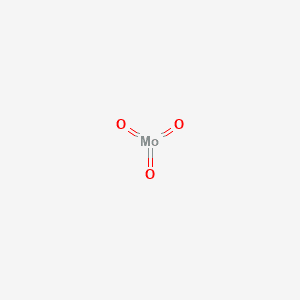
Molybdenum Trioxide (MoO3) is a high-purity inorganic metallurgy compound essential for the production of molybdenum metal and various chemical catalysts. Molybdenum trioxide is primarily obtained by roasting molybdenite (MoS2) concentrate in air in a process called oxidative roasting (Tech grade). Trioxomolybdenum is an acidic oxide that serves a base (fundamental) building block in the Metallurgy and electronics sectors. The oxidation state of molybdenum in this compound is +6. MoO3 is universally utilized as a precursor for technical-grade molybdenum used in steel allying to increase corrosion resistance and high-temperature strength. Approximately 80-90% of global MoOz consumption is for...

.3d8f8f41.svg)
Metallurgy Chemicals
.3556d45a.svg)

Electronic & Specialty Grade Materials


High Purity Metals, Compounds & Powders
.7767eb0f.png)

Chemical Properties & Specifications
H319: Causes serious eye irritation
H335: May cause respiratory irritation
H351: Suspected of causing cancer
GHS07, GHS08
Xn
P261; P281; P305 + P351 + P338
Production preferred of ferromolybdenum and as an additive in stainless steel and superalloys
Primary catalyst in the petroleum industry for hydrodesulfurization and in the oxidation of organic compounds
Utilized in the manufacture of electrochemical displays and as a dopant in specialized glass and ceramics.
Production: Primary intermediate produced when molybdenum ores (mainly molybdenite, MoSz) are purified
Precursor: Serves as the chemical precursor required to manufacture pure molybdenum metal through hydrogen reduction
Microstructure: Studied for addition of molybdenum (derived from MoO3) affects the phase diagrams, grain growth, and crystal structure (typically BCC) of the resulting alloys
Property Enhancement: Studied for its role in enhancing "red hardness" in high-speed tools and preventing stress corrosion cracking in high-strength environments
Direct Addition: "Technical-grade" or roasted molybdenum trioxide is primarily used directly in steel production
Function: Essential alloying agent that increases steel's strength, hardenability, and corrosion resistance, particularly in stainless and tool steels
Store in a cool, dry, and well-ventilated area
Stable under normal conditions but is hygroscopic; keep containers tightly sealed to prevent moisture absorption which can cause caking
Avoid dust generation. Use a P2 or P3 respirator as inhalation of molybdenum dust can cause respiratory irritation or moly-bosh
Technical grade is primarily used in steel alloying (Ferromolybdenum production). Pure grade is required for chemical catalysis and electronic applications where trace metal impurities must be minimized.
Yes, MoO3 is used as a hole-transport layer in organic and perovskite solar cells due to its high work function.
New extractive methods in 2025 focus on using additives like kaolin during roasting to achieve 99.99% purity while reducing dust and harmful emissions