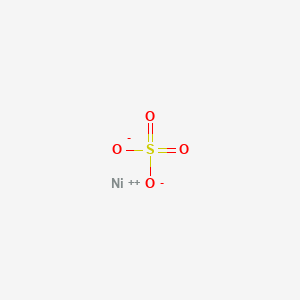
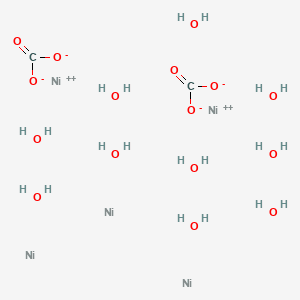

Nickel (II) Carbonate Basic (encompassing CAS 39380-74-0 & 12244-51-8) - high purity inorganic compound consisting of nickel carbonate, nickel hydroxide, and water of crystallization. Within the Metallurgy, Surface Finishing, and Industrial Chemicals hierarchies, it is recognized as a premier source of high-solubility nickel. Unlike metallic nickel, these basic carbonate forms dissolve readily in weak acids, making them the industry standard for adjusting pH in plating baths and producing high-performance nickel catalysts = ‘’ nickel sulfate plating baths without introducing unwanted sodium or ammonium ions. Source High-Purity Nickel (II) Carbonate Basic (CAS 39380-74-0 / 12244-51-8) from Scimplify, a leading global manufacturer and wholesale supplier of metallurgical salts. Our Nickel Carbonate Hydroxide is engineered for high-precision electroplating and catalyst synthesis, providing a rapid-dissolving source of nickel ions. As an authoritative Nickel Salt supplier, we ensure our material meets global regulatory standards, including REACH (EU) registration and GHS hazard compliance. Whether you are formulating hydrogenation catalysts, ceramic glazes, or high-end surface finishes, Scimplify delivers the chemical consistency, international SDS/COA transparency, and reliable bulk lead times required for global industrial excellence


Nickel (II) Carbonate Basic (encompassing CAS 39380-74-0 & 12244-51-8) - high purity inorganic compound consisting of nickel carbonate, nickel hydroxide, and water of crystallization. Within the Metallurgy, Surface Finishing, and Industrial Chemicals hierarchies, it is recognized as a premier source of high-solubility nickel. Unlike metallic nickel, these basic carbonate forms dissolve readily in weak acids, making them the industry standard for adjusting pH in plating baths and producing high-performance nickel catalysts = ‘’ nickel sulfate plating baths without introducing unwanted sodium or ammonium ions. Source High-Purity Nickel (II) Carbonate Basic (CAS 39380-74-0 / 12244-51-8) from Sc...
Metallurgy Chemicals
Metal Compounds & Salts
General Metal Salts & Reagents
.7767eb0f.png)

Chemical Properties & Specifications
Acute Tox. 4 (100%), Acute Tox. 4 (100%), Skin Irrit. 2 (100%), Skin Sens. 1 (100%), Eye Irrit. 2 (100%), Acute Tox. 4 (100%), Resp. Sens. 1 (100%), STOT SE 3 (100%), Carc. 1B (100%)
P203, P233, P260, P261, P264, P264+P265, P270, P271, P272, P280, P284, P301+P317, P302+P352, P304+P340, P305+P351+P338, P317, P318, P319, P321, P330, P332+P317, P333+P317, P337+P317, P342+P316, P362+P364, P403, P403+P233, P405, and P501
NONH for all modes of transport
3
Primarly control the pH of nickel-plating baths. When the bath becomes too acidic, adding Nickel Carbonate neutralizes the excess acid while simultaneously replenishing the nickel ion concentration. Critical for "Decorative Chrome" and "Functional Nickel" plating in the automotive and aerospace sectors
Serves as a precursor for the production of specialized Nickel catalysts used in the hydrogenation of vegetable oils (oleochemicals) and the steam reforming of hydrocarbons. High surface area and solubility allow for the creation of finely dispersed active sites
Pigment to create green and brown glazes in ceramics. Acts as a decolouring agent in glass manufacturing, neutralizing the yellow tint caused by iron impurities to produce clear, high-quality glass
Stable under normal conditions. Incompatible with strong acids (releases CO2) and ammonium compounds
Store in a cool, dry, well-ventilated area. Keep containers tightly closed. Nickel salts are hygroscopic; protect from moisture to prevent caking.