Search through


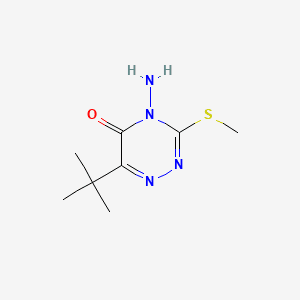
Metribuzin is a selective, systemic herbicide primarily used to control a wide range of weeds in various crops such as soybeans, potatoes, tomatoes, and cereals. It inhibits photosynthesis in susceptible plants, leading to their death. Metribuzin is available as a wettable powder (WP) or granules, and its selective nature makes it ideal for use in crops that are sensitive to herbicides.
Metribuzin is a selective, systemic herbicide primarily used to control a wide range of weeds in various crops such as soybeans, potatoes, tomatoes, and cereals. It inhibits photosynthesis in susceptible plants, leading to their death. Metribuzin is available as a wettable powder (WP) or granules, and its selective nature makes it ideal for use in crops that are sensitive to herbicides.

.3d8f8f41.svg)
Agrochemicals
.3556d45a.svg)

Crop Protection & Pest Control


Herbicides
.7767eb0f.png)

Chemical Properties & Specifications
o H302: Harmful if swallowed. o H331: Toxic if inhaled. o H410: Very toxic to aquatic life with long-lasting effects.
o P261: Avoid breathing dust. o P273: Avoid release to the environment. o P311: Call a poison center or doctor/physician. o P501: Dispose of contents/container to an approved waste disposal plant.
Not considered persistent, bioaccumulative, or toxic (PBT) or very persistent and very bioaccumulative (vPvB).
Metribuzin is widely applied in the control of broadleaf weeds and certain grass species in crops like soybeans, potatoes, tomatoes, barley, and wheat. It is applied as a pre-emergence or post-emergence treatment depending on the crop.
It can also be used in sugarcane, asparagus, and peas to manage weed infestations.
Used in certain turf management applications for controlling weeds in lawns and sports fields.
Avoid skin and eye contact. Use local exhaust ventilation.
Store in a cool, dry, and well-ventilated place. Keep the container tightly closed.
Available in 1 kg, 5 kg, and larger containers for bulk agricultural use.
Metribuzin is a selective herbicide primarily used to control broadleaf weeds and certain grass species in agricultural crops such as soybeans, potatoes, tomatoes, and cereals. It is applied both pre-emergence and post-emergence.
Metribuzin inhibits the photosynthesis process in susceptible weeds, leading to their death. It is absorbed by the plant through roots and foliage, providing systemic control of weed populations.
Metribuzin is considered low in toxicity to humans when handled according to safety guidelines. However, it may cause eye irritation and respiratory issues if not used with the proper personal protective equipment (PPE).
Metribuzin provides long-lasting control, typically effective for several weeks to a few months, depending on the application method, crop type, and weather conditions.