Search through


Glyphosate 41% SL, or Glyphosate-isopropylammonium, is a broad-spectrum, non-selective systemic post-emergence herbicide used extensively in agriculture, forestry, and industrial weed control. Glyphosate systemic action ensures that the active ingredient, glyphosate, is absorbed through the foliage and translocated throughout the plant, including the root system. This formulated herbicide liquid works by inhibiting the 5-enolpyruvylshikimate-3-phosphate (EPSP) synthase enzyme, a vital component of the shikimic acid pathway. By blocking this pathway, it prevents the synthesis of essential aromatic amino acids needed for plant growth, causing the weed to gradually wilt, yellow, and die. Also referred as ‘GLYPHOSATE ISOPROPYLAMINE SALT’ by Glyphosate manufacturers. We are the leading, trusted Glyphosate technical and Glyphosate formulation supplier worldwide, with reliable lead times and global supply capability.
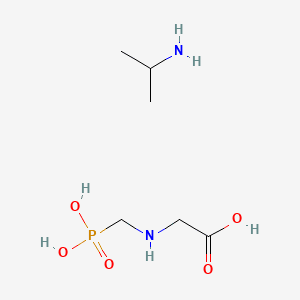
Glyphosate 41% SL, or Glyphosate-isopropylammonium, is a broad-spectrum, non-selective systemic post-emergence herbicide used extensively in agriculture, forestry, and industrial weed control. Glyphosate systemic action ensures that the active ingredient, glyphosate, is absorbed through the foliage and translocated throughout the plant, including the root system. This formulated herbicide liquid works by inhibiting the 5-enolpyruvylshikimate-3-phosphate (EPSP) synthase enzyme, a vital component of the shikimic acid pathway. By blocking this pathway, it prevents the synthesis of essential aromatic amino acids needed for plant growth, causing the weed to gradually wilt, yellow, and die. Also r...

.3d8f8f41.svg)
Agrochemicals
.3556d45a.svg)

Crop Protection & Pest Control


Herbicides
.7767eb0f.png)

Chemical Properties & Specifications
Eye Irritation: Category 2A Skin Irritation: Category 2 Hazardous to the Aquatic Environment (Chronic): Category 2
H315: Causes skin irritation. H319: Causes serious eye irritation. H411: Toxic to aquatic life with long-lasting effects.
P264: Wash hands thoroughly after handling. P280: Wear protective gloves, clothing, and eye protection. P302+P352: IF ON SKIN: Wash with soap and water. P305+P351+P338: IF IN EYES: Rinse cautiously with water for several minutes. Remove contact lenses if present and easy to do – continue rinsing. P273: Avoid release to the environment. P391: Collect spillage.
Used for weed control in row crops, orchards, vineyards, and plantations.
Helps manage invasive species and unwanted vegetation.
Applied for weed control in non-crop areas like railways, roadsides, and infrastructure.
Store in a cool, dry place at temperatures between 2–8°C (35–46°F).
Keep away from moisture, direct sunlight, and oxidizing agents.
Store in airtight, non-reactive containers to maintain stability
MOQ 50 Litres, and bulk packaging for b2b requirement
Glyphosate inhibits the EPSP synthase enzyme, disrupting amino acid production and causing plant death.
It effectively controls broadleaf weeds, grasses, and woody plants, including glyphosate-resistant species when combined with adjuvants.
No, glyphosate is a synthetic herbicide and is not permitted in organic agricultural practices.
Glyphosate binds to soil particles and degrades over weeks to months, depending on environmental conditions.
When used as directed, glyphosate has low acute toxicity but should be handled with proper safety precautions to avoid skin and eye irritation.
Yes, it is often tank-mixed with other herbicides for broader weed control and resistance management.