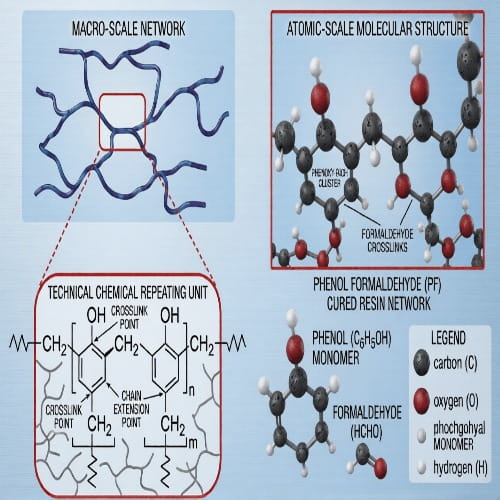
Formaldehyde (CAS 50-00-0) remains a cornerstone of the North American building materials sector, where high purity fine chemicals are essential for synthesizing urea-formaldehyde and phenol-formaldehyde resins used in high-performance engineered wood and insulation. Methanal is increasingly subject to rigorous TSCA an...
Formaldehyde 37% to 55% Specifications
CAS Number
50-00-0
Molecular Formula
CH2O
Molecular Weight
30.026 g/mol
IUPAC Name
formaldehyde
Canonical SMILES
C=O
InChI Key
WSFSSNUMVMOOMR-UHFFFAOYSA-N
CAS Number
50-00-0
Molecular Formula
CH2O
Molecular Weight
30.026 g/mol
IUPAC Name
formaldehyde
Canonical SMILES
C=O
InChI Key
WSFSSNUMVMOOMR-UHFFFAOYSA-N
Molecular Weight
30.026 g/mol
Physical appearance
Clear, colorless liquid with a pungent odor
Chemical Intermediate
A primary precursor used in the industrial manufacture of urea, phenol, and melamine resins, as well as polyoxymethylene plastics and various organic compounds
Biological Fixative
A standard reagent utilized in histology and pathology for preserving tissue structures and cells by cross-linking proteins
Disinfectant and Biocide
An effective antimicrobial agent employed for sterilization, vaccine manufacturing, and as a preservative in personal care products
Laboratory Reagent
A specialized chemical used as a denaturant in RNA gel electrophoresis and as a reactant in academic research for organic synthesis.
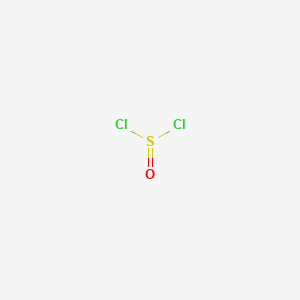
Description : Thionyl chloride is a multi-industrial colorless to pale yellow fuming liquid chemical with a sharp, suffocating odor. Thionyl chloride used in industries as a chlorinating agent in the manufacture of acyl chlorides and organosulfur compounds. SOCl₂ reacts violently with water, releasing sulfur dioxide and hydrogen chloride gases. Due to its high reactivity and volatility, Sulfinyl Chloride is essential in pharmaceuticals, agrochemical synthesis, and dye intermediates production.
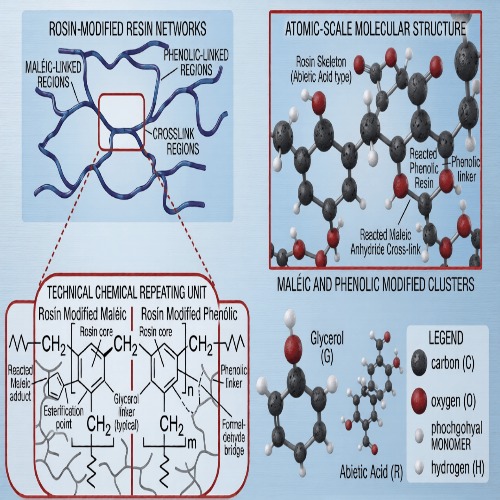
Description : Our Rosin Modified Phenolic Resins are high-performance complex polymers engineered through the condensation of gum rosin with phenol and formaldehyde, followed by esterification with polyhydric alcohols for high-performance printing inks and industrial coatings, offering superior lustre and rapid hardness development. Dropol series is architected to provide the technical precision required for high-concentration pigment dispersions and demanding coating environments. Characterised by high melting points and sophisticated solubility profiles ranging from high tolerance in Mineral Turpentine Oil (MTO) to total solubility in aromatic hydrocarbons, and these resins offer superior film-forming properties. Chemical incorporation of phenolic structures into the rosin backbone particularly raises the resin's molecular weight and glass transition temperature (Tg), resulting in faster "set" times and increased film hardness compared to standard rosin esters. Total Cost of Quality is minimised by reducing pigment grinding cycles, enhancing colour development, and ensuring the long-term integrity of the polymer matrix against environmental degradation. We are established Rosin Modified Phenolic & Maleic supplier for grade-specific resins, ensuring consistent melting points and viscosity profiles across the Dropol series. We provide a comprehensive range of synthetic resins with full technical documentation (Acid Value/Melting Point/Solubility) and supporting quality assurance (Phenolic and Maleic resin COA/TDS/SDS). We ensure reliable lead times from R&D sampling to 10MT+ commercial supply, enabling partners to lead in high-efficiency ink and coating manufacturing.
Description : Our Rosin Modified Maleic Resins are high-melting thermoplastic resins engineered through the precise esterification of gum rosin with maleic anhydride and polyhydric alcohols. These resins serve as high-performance binders and film-formers across a variety of solvent-based ink and coating systems. Dromal Rosin Modified Maleic Resins series is meticulously developed to meet the technical benchmarks of the ink and coating industry, characterised by superior solubility profiles right from total solubility in alcohols (IMS) to high compatibility with hydrocarbon solvents (MTO/Toluene). Chemical structure of Rosin Modified Maleic Resin, formed by the Diels-Alder reaction of maleic anhydride with rosin acids, provides a significantly higher melting point and harder film compared to natural rosins. This technical modification facilitates rapid solvent evaporation and fast tack-free times, critical for high-throughput manufacturing environments. The low acid-value grades are specifically designed for use in moisture-sensitive systems, while high acid-value variants offer the necessary functionality for water-reducible and high-polar solvent formulations, ensuring Total Cost of Quality is minimised through optimised pigment loading, reduced solvent consumption, and consistent film performance. We are the leading Rosin Modified Maleic Resins series suppliers, ensuring consistent melting points and viscosity profiles across the Dromal series. We provide a comprehensive range of synthetic resins with full technical (Acid Value/Melting Point/Solubility) and supporting quality assurance documentation (COA/TDS/SDS). Our products are optimised for high-performance printing inks and industrial lacquers, offering superior gloss and adhesion. We ensure reliable lead times upto 10MT+ commercial supply, enabling partners to lead the market in high-efficiency coating manufacturing.
Description : Our Phenol Formaldehyde Resins are high-performance thermosetting polymers specifically engineered for the high-precision requirements of the metal packaging and industrial coating sectors. These butylated and epoxy-phenolic resins provide the critical chemical inertness and mechanical adhesion necessary to protect the integrity of contents in aggressive storage environments. Dropol portfolio Phenol Formaldehyde Resin is defined by its superior cross-linking density and chemical stability. By utilising butylated resole technology, these resins exhibit excellent compatibility with epoxy resins and polyvinyl butyral, allowing formulators to engineer coatings with a precise balance of flexibility and chemical resistance. Characterised by their ability to withstand the extreme thermal stress of sterilisation cycles while maintaining a non-tainting, non-toxic barrier between the metal substrate and the contents. Whether you are formulating a gold lacquer for food cans using Dropol 9012 or a high-solids insulating varnish with Dropol 9009, our series provides the reactive consistency required for automated coating lines. This technical edge minimises the "Total Cost of Quality" by preventing corrosion-related packaging failure and ensuring long-term shelf stability for consumer goods. We are one of the trusted Butylated Phenolic Resins supplier, ensuring consistent solids and viscosity ranges across the Dropol series. We provide a comprehensive range of binders with full technical documentation (Type/Solids/Solvent Compatibility) and supporting quality assurance (Phenol Formaldehyde Resins COA/SDS). Our products include FDA-approved grades and ready-to-use pre-condensates for the global packaging industry. We ensure reliable lead times from pilot evaluation to commercial-scale supply, enabling partners to satisfy the stringent requirements of the global food and industrial coating sectors.
Description : Our Hard Ketone Aldehyde Resins are condensation polymers specifically developed for the ink, coating, and pigment processing industries. These neutral, non-saponifiable synthetic resins function as versatile grind vehicles and additive binders, enhancing the performance of complex chemical formulations. The Drotone portfolio Hard Ketone Aldehyde Resins are engineered to meet the stringent demands of high-concentration pigment dispersions and technical inks. These resins are characterised by their broad solubility in various organic solvents ranging from simple alcohols to complex hydrocarbon blends and their excellent compatibility with a wide array of binder systems, including Alkyds, Nitrocellulose, and Epoxy resins. By selecting grades with specific melting points and hydroxyl values, aldehyde resin manufacturers can precisely control the final film's hardness and chemical reactivity. We are one of the leading high-purity Ketone Aldehyde Resins suppliers with global footprint, ensuring consistent hydroxyl and acid values across the Drotone series. We provide a comprehensive range of synthetic resins with full technical (Melting Point/OH Value/Viscosity) and supporting quality assurance documentation (COA/TDS/SDS). Our products are optimised for universal colourants and speciality ink systems, offering superior solubility and adhesion. We ensure reliable lead times upto 10MT+ commercial supply, enabling partners to optimise their pigment processing and ink manufacturing workflows.