
Decabromodiphenylethane

Decabromodiphenylethane

CAS Number
84852-53-9
Molecular Formula
C14H4Br10
Purity
≥ 98%
Brominated Flame RetardantPolymer AdditiveIndustrial GradeREACH RegisteredISO 9001 CertifiedDTXSID (EPA DSSTox): DTXSID2052732UNII (FDA): WZ2532TA0A

About Decabromodiphenylethane

We supply commercial and industrial-grade decabromodiphenyl ethane(CAS No: 84852-53-9) to drive manufacturing efficiency across the domestic automotive compounding, consumer electronics, wire and cable jacketing, and structural building insulation sectors in the United States. Known in domestic manufacturing facilities...

Synonyms

  • Decabromodiphenyl
  • DBDPE
  • Planelon BDE
  • (+)-catechinhydrate
  • Decadiphenyl 8010

Decabromodiphenylethane Specifications

CAS Number
84852-53-9
Molecular Formula
C14H4Br10
IUPAC NameORBotanical Name
1,2,3,4,5-pentabromo-6-[2-(2,3,4,5,6-pentabromophenyl)ethyl]benzene
Canonical SMILES
C(CC1=C(C(=C(C(=C1Br)Br)Br)Br)Br)C2=C(C(=C(C(=C2Br)Br)Br)Br)Br
InChI Key
BZQKBFHEWDPQHD-UHFFFAOYSA-N
InChI
InChI=1S/C14H4Br10/c15-5-3(6(16)10(20)13(23)9(5)19)1-2-4-7(17)11(21)14(24)12(22)8(4)18/h1-2H2
UNII Code
WZ2532TA0A
EINECS Number
284-366-9
HSN No
2903.99.90
Appearance
White to off-white powder or granules
Odor
Odorless
Density (25 °C)
~3.0 g/cm³
Melting Point
345 – 360 °C
Decomposition Temperature
> 400 °C
Solubility
Insoluble in water; soluble in aromatic and chlorinated hydrocarbons Particle Size: Typically 3 – 10 µm (depending on grade)
Bromine Content
≥ 82%
Purity
≥ 98%
Volatile Matter
≤ 0.1%
Free Bromine
≤ 20 ppm
Specific Surface Area
3 – 8 m²/g
Particle Size (d50)
3 – 6 µm
Hazard statements
H302: Harmful if swallowed H315: Causes skin irritation H319: Causes serious eye irritation H335: May cause respiratory irritation H413: May cause long-lasting harmful effects to aquatic life H360: May damage fertility or the unborn child (based on some studies, though not consistently listed) H372: Causes damage to organs through prolonged or repeated exposure (based on some studies)
(P) Statements code
P261 P264 P270 P280 P302+P352 P305+P351+P338

Polymer Flame Retardancy

Preferred for PVC, HIPS, ABS, and engineering plastics to enhance fire resistance. Flame retardant for polyolefins (PP, PE), styrenics (HIPS, ABS), elastomers. Exclusive for ngineering plastics (PA, PBT, PET, PC blends)

High-Impact Polystyrene (HIPS) Enclosures

A foundational additive flame retardant combined with antimony trioxide (Sb₂O₃) to achieve UL 94 V-0 ratings in television housings and office equipment

Automotive & Engineering Plastics (PBT/PET/PA)

A high-thermal-stability additive utilised in reinforced polybutylene terephthalate and polyamide electrical connectors exposed to high processing temperatures

Wire & Cable Polyolefin Coatings

A non-blooming flame-retardant additive incorporated into polyethylene (PE) and polypropylene (PP) insulation jacketing for industrial and automotive wiring

Elastomers & Textile Back-Coatings

A dispersible fire-retardant powder added to styrenic rubbers, EPDM seals, and industrial fabric back-coatings to meet international building safety codes

Styrenic Polymer Masterbatches

A high-bulk-density raw material processed into concentrated flame-retardant masterbatch pellets for commercial plastic injection molding

  1. Decabromodiphenyl
  2. DBDPE
  3. Planelon BDE
  4. (+)-catechinhydrate
  5. Decadiphenyl 8010

Decabromodiphenylethane FAQs

Minimum Order Quantity

25 kg (evaluation) · 1 MT (commercial)

Lead Time

3 – 5 weeks estimated

Delivery Terms

FOB*

Packaging

20 L pails, 200 L HDPE drums, 1000 L IBC

US Availability

US Facility Inventory

Documentation

US SDS · COA · TDS · Specification sheet

US Regulatory & Quality Information

TSCA status*

US SDS / HazCom*

GHS classification*

ISO 9001:2015 site*

DOT shipping classification*

FDA status*

EPA status*

California Prop 65*

Reliable US supply chain

Regulatory compliance

On-time delivery

Technical expert support

Rounded Top

Explore Flame Retardants Portfolio

Zinc Borate (Hydrated / Commercial Grade)

CAS No 10361-94-1

Category

Synergists & Smoke Suppressants

Sub-Category

Zinc Borate

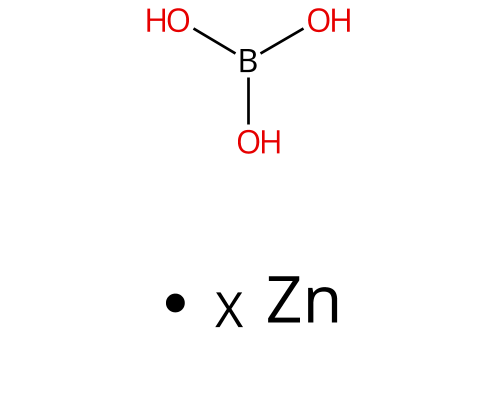
Description : Zinc Borate is a high-performance, white crystalline mineral additive universally used as a halogen-free flame retardant synergist, smoke suppressant, and polymer stabiliser, available in both zinc borate hydrated (CAS 1332-07-6) for standard processing under 290°C and zinc borate anhydrous (CAS 10361-94-1) for high-temperature engineering plastics processed above 300°C. While the hydrated grade dynamically releases chemically bound water to suppress smoke and cool fires, the anhydrous grade prevents high-heat polymer degradation and builds a robust protective char layer, meaning both grades effectively enhance fire resistance, smoke suppression, and thermal stability in PVC, polyolefins, elastomers, and coatings applications. Supplied as an industrial-grade powder or granular material, zinc borate is used extensively in industrial polymer compounding, cable insulation, and coatings manufacturing, delivering premium functional capabilities to meet strict regulatory fire standards. Also referred to as ZINC BORATE [HSDB] & ZINC BORATE [WHO-DD] by global manufacturers, we are the leading, trusted inorganic zinc borate supplier worldwide, providing both hydrated and anhydrous grades with reliable lead times and global supply capability.

View Product
Bismuth metal

CAS No 7440-69-9

Bismuth metal

Category

Metal Oxides & Synergists, Critical metals & Strategic materials

Sub-Category

Metal additives, Bismuth Compounds

Description : Bismuth granular (CAS 7440-69-9) is an essential high purity fine chemical utilized in the API intermediates market for the synthesis of gastrointestinal pharmaceuticals and radiopaque agents, meeting the rigorous demands of the growing CDMO sector (Pharma/API purity 99% | General Industry purity 98%). Metallic bismuth serves as a sustainable alternative to lead in metallurgical applications and specialized alloys, benefiting from global sourcing shifts toward non-toxic bulk chemical supplier materials (Pharma/API purity 99% | General Industry purity 98%). Crystalline bismuth is increasingly sought for custom synthesis services in the semiconductor and superconductor industries, where precise regulatory compliance and impurity control are paramount for advanced electronic components (Pharma/API purity 99% | General Industry purity 98%). As globally established Bismuth metal granular supplier, we ensure dependable supply, consistent quality, and complete regulatory documentation, including CoA and TDS across all grades. Beyond supply, we support partners through the entire product lifecycle from route scouting, process and formulation development, and analytical method development to scale-up, process optimisation, and pilot-to-commercial manufacturing. Our teams also assist with GMP-compliant quality assurance, regulatory documentation, and global supply chain and logistics coordination.

View Product
Barium Chloride Anhydrous

CAS No 10361-37-2

Barium Chloride Anhydrous

Category

Processing Aids, Other Inorganic Salts (Adjuncts)

Sub-Category

Processing salts, Water Treatment - Sulfate Removal Agents

Description : Barium Chloride (BaCl2) is an inorganic salt universally used in chemical manufacturing, water treatment, and industrial applications requirements.Barium Chloride Anhydrous (Water-Sensitive Polymers) is added as a synergistic filler or heat-stabilising additive in plastics, resins, and synthetic polymers. BaCl2 is primarily employed in flame retardants, pigments, and analytical chemistry. Barium chloride is supplied in technical and analytical grades, ensuring consistent quality for industrial B2B use, polymer additives, and water treatment formulations. Also referred to as Bichloride of Barium, Barium Chloride Dihydrate (8CI); Barium Chloride (BaCl2) Hydrate; Barium Dichloride Dihydrate, it is stable and easy to handle under controlled conditions. BaCl2 available in two variables: anhydrous barium chloride (BaCl₂) and barium chloride dihydrate (BaCl₂·2H₂O). We are the trusted barium chloride supplier worldwide with reliable lead times and global supply capability.

View Product
Antimony Powder

CAS No 7440-36-0

Antimony Powder

Category

Synergists & Smoke Suppressants, Electronic & Specialty Grade Materials

Sub-Category

Antimony-based synergists, High Purity Metals, Compounds & Powders

Description : Metallic antimony powder serves as a high-performance flame-retardant synergist, alloying additive for lead-acid battery grids, and specialty dopant in semiconductor electronics. Reduction of purified antimony trioxide or pyrometallurgical refining yields finely divided stibium powder with tightly controlled particle size distribution, controlling reactivity in metallurgical and chemical synthesis routes. Industrial procurement emphasizes elemental purity, minimal oxide surface contamination, and strict particle classification to optimize dispersing properties in flame-retardant polymer matrixes. As globally established Antimony Powder supplier with Antimony Powder 99%, scimplify ensures dependable supply, consistent quality, and complete regulatory documentation, including Antimony Powder CoA and Antimony Powder TDS across all grades. Beyond supply, we support partners through the entire product sourcing framework from scouting, process development, pilot-to-commercial manufacturing of Antimony Powder. We support procurement with region specific compliances, GMP quality assurance with Antimony Powder sds, regulatory documentation, global supply chain capabilities and logistics coordination

View Product