Search through
Antimony Trichloride

Antimony Trichloride

CAS Number: 10025-91-9

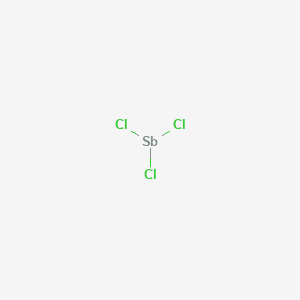
Molecular Formula: Cl3Sb / SbCl3

Industrial Grade (≥98%)Flame Retardant SynergistAntimony Sulfide

About Antimony Trichloride

Antimony trichloride manufacturers and suppliers in the United States produce SbCl3 (CAS 10025-91-9, molecular formula SbCl3, molecular weight 228.11 g/mol) as a white to off-white crystalline solid with a melting point of 73.4°C and a density of 3.14 g/cm³. The compound is extremely hygroscopic. On contact with atmosp...

Synonyms

  • Antimony butter
  • Butter of antimony
  • Stibous chloride
  • Antimonytrichloride
  • Cl3Sb

Antimony Trichloride Specifications

CAS Number
10025-91-9
Molecular Formula
Cl3Sb / SbCl3
Molecular Weight
228.12 g/mol
IUPAC Name
trichlorostibane
Canonical SMILES
Cl[Sb](Cl)Cl
InChI Key
FAPDDOBMIUGHIN-UHFFFAOYSA-K
InChI
1S/3ClH.Sb/h3*1H;/q;;;+3/p-3
EINECS Number
233-047-2
MDL Number
MFCD00011212
UNSPSC Code
12352302
HSN No
28273990
Appearance
Colorless to slightly yellow crystalline solid or fuming liquid (depending on temperature)
Odor
Pungent, irritating
Density
3.14 g/cm³ (solid, 25 °C)
Melting Point
73.2 °C
Boiling Point
223 °C (decomposes, releases HCl)
Solubility-1
Readily soluble in chloroform, benzene, CS₂
Chemical properties
Strong Lewis acid (used as a catalyst in organic synthesis)
Typical Technical Specification
SbCl₃ Assay: ≥ 98–99%
Molecular Weight
228.12 g/mol
Physical appearance
Colorless to white or off-white crystalline powder, crystals, flakes, or chunks; fuming in moist air; hygroscopic
GHS Hazard Statements
H314: Danger Skin corrosion/irritation H411: Hazardous to the aquatic environment, long-term hazard
Precautionary Statement Codes
P260, P273, P280, P301+P330+P331, P303+P361+P353, P304+P340+P310, and P305+P351+P338
Hazard Classes and Categories
Skin Corr. 1B

Flame Retardancy

Used as a synergist with halogenated polymers in PVC, ABS, and other thermoplastics.

Polymer Additives

Enhances thermal stability and reduces smoke emission.

Chemical Manufacturing

Precursor for other antimony compounds (oxides, sulfides, halides) Used in the preparation of schlippe’s salt (Na₃SbS₄·9H₂O)

Glass & Ceramics

Used as a decolorizing and opacifying agent

Pharmaceuticals & Cosmetics

Once used in certain drug formulations and hair dyeing chemicals (historical/limited use due to toxicity)

Analytical Chemistry

Reagent for detection of vitamin A and certain aldehydes

Research Applications

Used in polymer chemistry and flame retardant development studies.

Catalyst Applications

Catalyst in polymerization reactions (especially polyesters) Lewis acid catalyst in organic synthesis (chlorinations, Friedel-Crafts reactions)

Lewis Acid Catalyst

A Lewis acid catalyst used in various organic reactions such as polymerization, Friedel-Crafts acylations, reductions with NaBH4, and chlorination reactions

Flame Retardant Synergist

A flame retardant synergist in halogenated polymers like PVC and ABS to enhance fire resistance and thermal stability

Analytical Reagent

A reagent for detecting vitamin A and related carotenoids via the Carr-Price test to form a measurable blue complex

Chlorinating Agent

A chlorinating agent used in chemical synthesis and the manufacture of other antimony salts

Mordant

A mordant used in dyeing processes and the production of patent leather

Surface Treatment

A chemical used for bronzing steel, browning gun barrels, and coloring zinc black

Specialty Glass and Ceramics

A component used in the production of specialty glass and ceramics to improve thermal stability and optical properties

Temperature

Store in cool, dry, well-ventilated area.

Safe storage

Use corrosion-resistant containers (glass, PTFE, or coated steel)

Protection

Protect from moisture (highly hygroscopic and hydrolyzes rapidly)

Shelf life

12–24 months (if stored in sealed containers under dry conditions)

Handling

Highly toxic and corrosive. Handle with gloves, goggles, and fume hood

  1. Antimony butter
  2. Butter of antimony
  3. Stibous chloride
  4. Antimonytrichloride
  5. Cl3Sb

Antimony Trichloride FAQs

Minimum Order Quantity

25 kg (evaluation) · 1 MT (commercial)

Lead Time

3 – 5 weeks estimated

Delivery Terms

FOB*

Packaging

20 L pails, 200 L HDPE drums, 1000 L IBC

US Availability

US Facility Inventory

Documentation

US SDS · COA · TDS · Specification sheet

US Regulatory & Quality Information

TSCA status*

US SDS / HazCom*

GHS classification*

ISO 9001:2015 site*

DOT shipping classification*

FDA status*

EPA status*

California Prop 65*

Reliable US supply chain

Regulatory compliance

On-time delivery

Technical expert support

Rounded Top

Explore Flame Retardants Portfolio

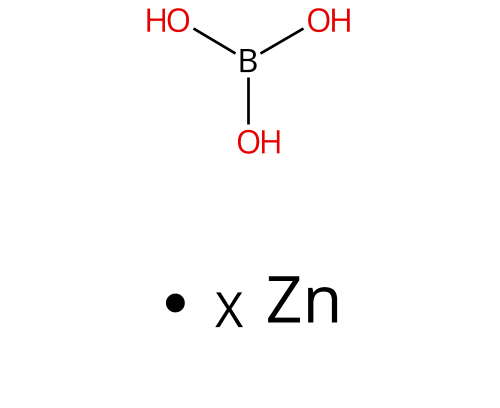
Zinc Borate (Hydrated / Commercial Grade)

CAS No : 10361-94-1

Category : Synergists & Smoke Suppressants

Sub-Category : Zinc Borate

Description : Zinc Borate is a high-performance, white crystalline mineral additive universally used as a halogen-...

View Product
Bismuth metal

CAS No : 7440-69-9

Bismuth metal

Category : Metal Oxides & Synergists, Critical metals & Strategic materials

Sub-Category : Metal additives, Bismuth Compounds

Description : Bismuth granular (CAS 7440-69-9) is an essential high purity fine chemical utilized in the API inter...

View Product
Barium Chloride Anhydrous

CAS No : 10361-37-2

Barium Chloride Anhydrous

Category : Processing Aids, Other Inorganic Salts (Adjuncts)

Sub-Category : Processing salts, Water Treatment - Sulfate Removal Agents

Description : Barium Chloride (BaCl2) is an inorganic salt universally used in chemical manufacturing, water treat...

View Product
Antimony Powder

CAS No : 7440-36-0

Antimony Powder

Category : Synergists & Smoke Suppressants, Electronic & Specialty Grade Materials

Sub-Category : Antimony-based synergists, High Purity Metals, Compounds & Powders
View Product