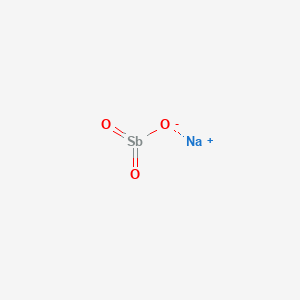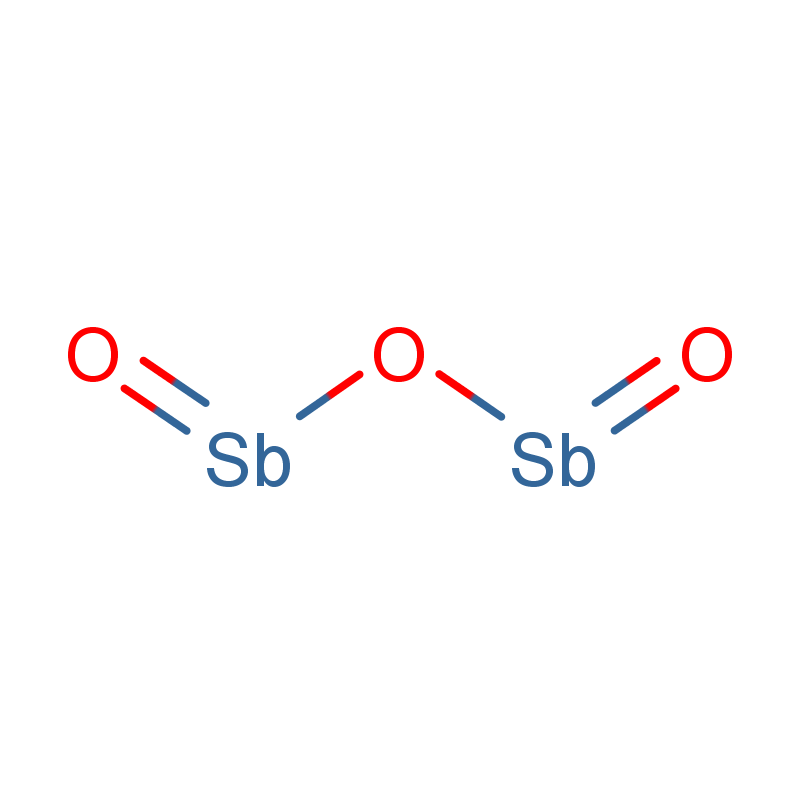
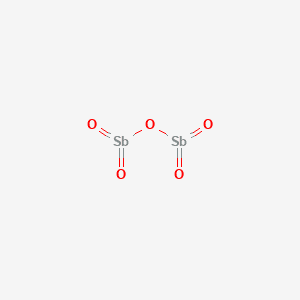

Antimony pentoxide (Sb₂O₅) is a yellow, odorless powder that is slightly soluble in water. It is primarily used as a flame retardant synergist, enhancing the effectiveness of halogenated flame retardants in various materials. Additionally, it serves as a catalyst in certain chemical reactions and is utilized in the production of antimony-containing glass. Antimony pentoxide is a Flame Retardant Synergist.


Antimony pentoxide (Sb₂O₅) is a yellow, odorless powder that is slightly soluble in water. It is primarily used as a flame retardant synergist, enhancing the effectiveness of halogenated flame retardants in various materials. Additionally, it serves as a catalyst in certain chemical reactions and is utilized in the production of antimony-containing glass. Antimony pentoxide is a Flame Retardant Synergist.
Flame Retardants
Synergists & Smoke Suppressants
Antimony-based synergists
.7767eb0f.png)

Chemical Properties & Specifications
H315: Causes skin irritation. H319: Causes serious eye irritation
P264, P280, P302+P352, P305+P351+P338
Conjunction with halogenated flame retardants to improve their efficacy in materials such as textiles, plastics, paper, and rubber
Catalyst in the production of polyethylene terephthalate (PET), a universally used polyester in the textile and packaging industries
Precursor in the synthesis of other antimony compounds, including antimony trioxide, which is used in various applications such as flame retardants and catalysts
De colourising and fining agent in glass manufacturing Improves chemical durability of glass
Varistors, capacitors, batteries
Antistatic and conductive coatings
Yellow pigments and special coatings
Store in a cool, dry, well-ventilated area, away from incompatible substances such as strong acids and bases.
Available in polyethylene bags, fiber drums, and bulk containers. Contact suppliers for specific packaging options and sizes.
Antimony pentoxide is primarily used as a flame retardant synergist, enhancing the effectiveness of halogenated flame retardants in various materials. It also serves as a catalyst in the production of PET plastics and as a precursor in the synthesis of other antimony compounds.
Major production occurs in China, Russia, and Tajikistan, with China being the dominant producer. However, recent export restrictions from China have affected global supply chains.
While generally considered safe, it can cause skin and eye irritation. Appropriate personal protective equipment, such as gloves and eye protection, should be used when handling the compound.
Strong oxidizing agent (Sb in +5 oxidation state), being (Amphoteric) reacts with both acids and bases, and converts to antimony trioxide (Sb₂O₃) under reducing conditions.